
Why Analyze a Rental Property Before Buying?
Investing in rental property can be a lucrative venture, offering the potential for passive income and long-term appreciation. However, jumping in without proper due diligence can lead to financial disaster. Analyzing a rental property before buying is crucial to determine its true potential, identify potential risks, and ensure it aligns with your investment goals. This process helps you make informed decisions, avoid costly mistakes, and maximize your chances of success in the real estate market.
Step-by-Step Guide to Analyzing a Rental Property
1. Market Research: Understanding the Local Landscape
Before diving into specific properties, it's essential to understand the local real estate market. This involves researching key factors that influence rental demand and property values.
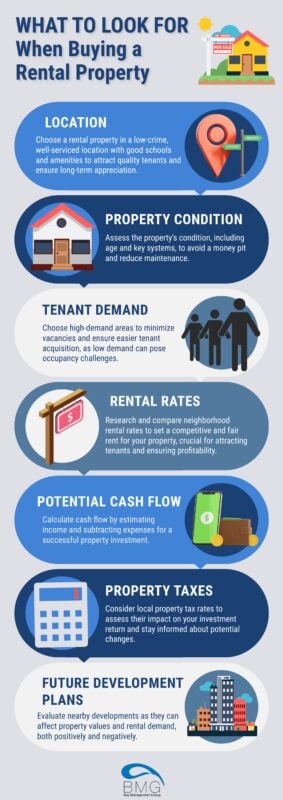
a. Location, Location, Location
Location is paramount. Consider factors like:
- Neighborhood Safety: Safe neighborhoods attract higher-quality tenants and command higher rents. Check crime statistics and talk to local residents.
- School District: Good schools are a major draw for families, increasing rental demand and property values.
- Proximity to Amenities: Access to shopping centers, restaurants, parks, and public transportation makes a property more desirable.
- Job Market: A strong local job market indicates a stable economy and a steady stream of potential renters.
- Future Development: Research any planned developments in the area, such as new roads, shopping centers, or industrial parks. These can positively or negatively impact property values.
b. Rental Market Analysis
Understanding the local rental market is critical for determining potential rental income. Conduct a thorough analysis by:
- Researching Comparable Properties: Identify similar rental properties in the area and compare their rental rates, vacancy rates, and amenities. Use online platforms like Zillow, Apartments.com, and Rent.com.
- Determining Market Rent: Based on your research, estimate the fair market rent for the property you're considering. Be realistic and avoid overestimating potential income.
- Analyzing Vacancy Rates: High vacancy rates indicate a weak rental market, while low vacancy rates suggest strong demand. Check local vacancy rate statistics.
- Understanding Tenant Demographics: Identify the target tenant demographic for the property. Are you targeting students, young professionals, families, or retirees? Tailor the property to appeal to your target tenant.
2. Financial Analysis: Crunching the Numbers
Once you have a good understanding of the market, it's time to delve into the financial aspects of the property. This involves calculating key metrics to determine its profitability and potential return on investment.
a. Calculating Gross Potential Income (GPI)
GPI is the total potential income the property could generate if it were 100% occupied. It's calculated by multiplying the market rent by the number of units and the number of months in a year.
Example: If the market rent is $1,500 per month and the property has one unit, the GPI is $1,500 x 1 unit x 12 months = $18,000.
b. Estimating Operating Expenses
Operating expenses are the costs associated with owning and managing the property. These include:
- Property Taxes: Research local property tax rates.
- Insurance: Obtain quotes for landlord insurance.
- Property Management Fees: If you plan to hire a property manager, factor in their fees (typically 8-12% of gross rent).
- Maintenance and Repairs: Estimate costs for routine maintenance and potential repairs. A good rule of thumb is to budget 5-10% of gross rent.
- Utilities: Determine which utilities the landlord will be responsible for (e.g., water, sewer, trash).
- Vacancy Allowance: Account for potential vacancy periods. A common estimate is 5-10% of gross rent.
c. Calculating Net Operating Income (NOI)
NOI is the property's income after deducting operating expenses. It's calculated by subtracting operating expenses from GPI.
Example: If the GPI is $18,000 and operating expenses are $6,000, the NOI is $18,000 - $6,000 = $12,000.
d. Determining Capitalization Rate (Cap Rate)
The cap rate is a measure of a property's profitability, calculated by dividing the NOI by the property's purchase price.
Formula: Cap Rate = NOI / Purchase Price
A higher cap rate generally indicates a more profitable property. However, it's important to compare cap rates to similar properties in the area to get a realistic assessment. Cap rates vary depending on location, property type, and market conditions.
e. Calculating Cash Flow
Cash flow is the amount of money you have left over after paying all expenses, including mortgage payments. It's calculated by subtracting the mortgage payment from the NOI.
Example: If the NOI is $12,000 and the annual mortgage payment is $8,000, the cash flow is $12,000 - $8,000 = $4,000.
Positive cash flow is essential for a successful rental property investment. Negative cash flow means you're losing money each month.
f. Analyzing Cash-on-Cash Return
Cash-on-cash return is a measure of the return on your invested capital. It's calculated by dividing the annual cash flow by the total cash invested.
Formula: Cash-on-Cash Return = Annual Cash Flow / Total Cash Invested
Total cash invested includes the down payment, closing costs, and any initial renovation expenses. A higher cash-on-cash return indicates a better return on your investment.
3. Property Inspection: Assessing the Physical Condition
A thorough property inspection is crucial to identify any potential problems or necessary repairs. Hire a qualified home inspector to conduct a comprehensive inspection of the property, including:
- Structural Integrity: Check for foundation issues, roof damage, and structural problems.
- Electrical System: Inspect the wiring, outlets, and electrical panel for any safety hazards.
- Plumbing System: Check for leaks, water damage, and plumbing issues.
- HVAC System: Inspect the heating, ventilation, and air conditioning systems for proper functioning.
- Pest Infestation: Check for signs of termites, rodents, or other pests.
- Appliances: Inspect all appliances to ensure they are in good working order.
The inspection report will provide you with a detailed assessment of the property's condition and identify any necessary repairs or renovations. Use this information to negotiate the purchase price or request repairs from the seller.
4. Legal and Regulatory Considerations
Before closing the deal, it's important to consider any legal and regulatory factors that may affect the property.
a. Zoning Regulations
Verify that the property is zoned for rental use. Check local zoning ordinances to ensure there are no restrictions on renting out the property.
b. Landlord-Tenant Laws
Familiarize yourself with local landlord-tenant laws, which govern the rights and responsibilities of landlords and tenants. This includes laws related to leases, security deposits, eviction procedures, and fair housing.
c. HOA Regulations (if applicable)
If the property is part of a homeowners association (HOA), review the HOA rules and regulations. These may include restrictions on rentals, pet policies, and exterior modifications.
5. Due Diligence: Verifying Information
Finally, conduct thorough due diligence to verify all the information you've gathered. This includes:
- Reviewing Title Documents: Ensure that the seller has clear title to the property and that there are no liens or encumbrances.
- Verifying Property Taxes: Confirm the accuracy of property tax information.
- Reviewing Insurance Policies: Obtain copies of existing insurance policies and verify coverage.
- Talking to Local Experts: Consult with real estate agents, property managers, and other local experts to get their insights on the property and the market.
By following these steps, you can thoroughly analyze a rental property before buying and make an informed decision that aligns with your investment goals. Remember to be patient, do your research, and seek professional advice when needed.

0 Comments