
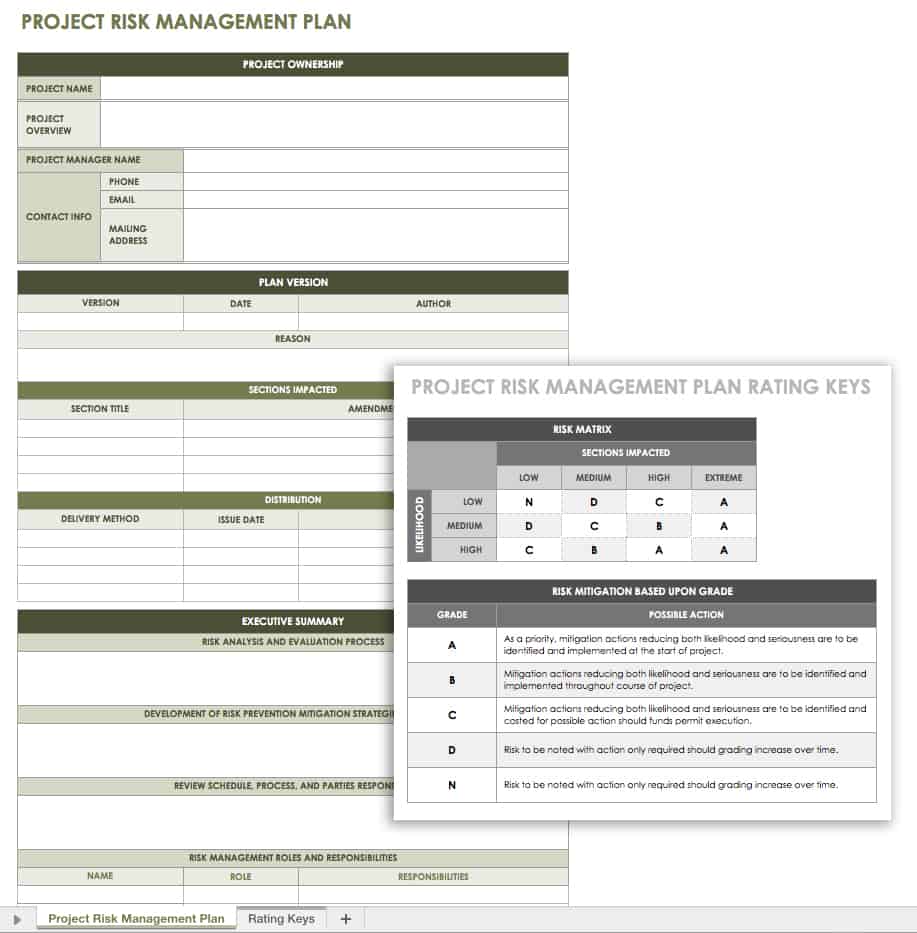
Why You Need an Insurance Risk Management Plan
Every business and individual faces risks. Some risks are minor inconveniences, while others can be financially devastating. An insurance risk management plan is a crucial tool for identifying, assessing, and mitigating potential risks that could impact your assets and financial stability. It helps you make informed decisions about the types and amounts of insurance coverage you need, ultimately protecting you from unforeseen circumstances.
Without a well-defined plan, you might be underinsured, overinsured, or simply lacking coverage for specific critical risks. This can lead to significant financial losses if a covered event occurs. A comprehensive plan allows you to prioritize risks, allocate resources effectively, and ensure you have the right protection in place.
Key Components of an Insurance Risk Management Plan
A robust insurance risk management plan typically includes the following key components:
1. Risk Identification
The first step is to identify all potential risks that could affect your business or personal life. This involves brainstorming and considering a wide range of possibilities. Some common risks include:
- Property damage (fire, theft, natural disasters)
- Liability claims (personal injury, property damage)
- Business interruption (due to unforeseen events)
- Cybersecurity breaches (data loss, financial fraud)
- Vehicle accidents
- Health issues
- Loss of income (due to disability or unemployment)
For businesses, it's essential to consider industry-specific risks, such as product liability, professional negligence, or environmental hazards. For individuals, consider risks related to your lifestyle, hobbies, and assets.
2. Risk Assessment
Once you've identified the risks, the next step is to assess their likelihood and potential impact. This involves evaluating the probability of each risk occurring and the financial consequences if it does. This can be done using qualitative and quantitative methods. Qualitative methods involve subjective assessments, while quantitative methods use data and statistical analysis.
Consider the following factors when assessing each risk:
- Frequency: How often is this risk likely to occur?
- Severity: What would be the financial impact if this risk occurred?
- Controllability: How much control do you have over this risk?
Prioritize risks based on their likelihood and impact. High-likelihood, high-impact risks should be addressed immediately, while low-likelihood, low-impact risks may require less attention.
3. Risk Mitigation Strategies
After assessing the risks, you need to develop strategies to mitigate them. This involves taking steps to reduce the likelihood or impact of each risk. Common mitigation strategies include:
- Risk Avoidance: Avoiding activities that expose you to risk.
- Risk Reduction: Taking steps to reduce the likelihood or impact of a risk. This could include implementing safety measures, investing in cybersecurity, or improving employee training.
- Risk Transfer: Transferring the risk to another party, typically through insurance.
- Risk Acceptance: Accepting the risk and taking no action. This is appropriate for low-likelihood, low-impact risks.
For example, to mitigate the risk of property damage, you might install a fire alarm system, secure your premises against theft, and purchase adequate property insurance. To mitigate the risk of liability claims, you might implement safety procedures, obtain liability insurance, and regularly inspect your property for hazards.
4. Insurance Coverage Review
Once you've identified and assessed your risks, it's time to review your existing insurance coverage. Ensure that you have adequate coverage for the risks you've identified and that your policies are up-to-date. Consider the following factors when reviewing your insurance:
- Coverage Limits: Are your coverage limits sufficient to cover potential losses?
- Deductibles: Are your deductibles affordable and appropriate for your risk tolerance?
- Exclusions: Are there any exclusions in your policies that could leave you vulnerable?
- Policy Terms and Conditions: Do you understand the terms and conditions of your policies?
It's often helpful to consult with an insurance professional to review your coverage and identify any gaps or areas for improvement. They can help you understand your options and find the best coverage for your needs.
5. Plan Implementation and Monitoring
Implementing your insurance risk management plan involves taking the necessary steps to put your mitigation strategies into action. This includes purchasing insurance policies, implementing safety measures, and training employees. It's also crucial to monitor your plan regularly and make adjustments as needed. Your risk profile can change over time due to changes in your business, personal life, or the external environment.
Regularly review your plan to ensure it remains relevant and effective. This includes:
- Re-evaluating your risks
- Updating your insurance coverage
- Monitoring the effectiveness of your mitigation strategies
- Making adjustments as needed
Where to Find a Free Insurance Risk Management Plan Template
Creating an insurance risk management plan from scratch can be daunting. Fortunately, there are many free templates available online that can help you get started. Here are a few resources where you can find free templates:
- Online search engines: Search for "free insurance risk management plan template" on Google, Bing, or other search engines.
- Business websites: Many business websites offer free templates and resources for risk management.
- Insurance company websites: Some insurance companies provide free templates to help their customers manage risk.
When choosing a template, make sure it's relevant to your specific needs and industry. Customize the template to reflect your unique risks and mitigation strategies.
Customizing Your Free Insurance Risk Management Plan Template
While a free template can provide a solid foundation, it's important to customize it to fit your specific circumstances. Here are some tips for customizing your template:
1. Tailor the Risk List
The risk list in the template may not be exhaustive. Add any risks that are specific to your business or personal life. Consider factors such as your industry, location, and lifestyle.
2. Customize the Risk Assessment
The risk assessment section should reflect your own assessment of the likelihood and impact of each risk. Don't simply rely on the default values in the template. Use your own knowledge and experience to make informed assessments.
3. Add Specific Mitigation Strategies
The template may include some general mitigation strategies, but you'll need to add specific strategies that are tailored to your risks. Be as detailed as possible when describing your mitigation strategies.
4. Update Insurance Information
Be sure to include accurate and up-to-date information about your insurance policies, including coverage limits, deductibles, and policy numbers.
5. Review and Update Regularly
Your insurance risk management plan should be a living document that is reviewed and updated regularly. Schedule regular reviews to ensure that your plan remains relevant and effective.
The Benefits of a Proactive Approach
Taking a proactive approach to insurance risk management can provide numerous benefits, including:
- Reduced financial losses
- Improved business continuity
- Enhanced reputation
- Increased peace of mind
- Better insurance rates (in some cases)
By investing the time and effort to develop and implement a comprehensive plan, you can protect your assets, minimize your exposure to risk, and ensure a more secure future.

0 Comments