
Understanding Excess Liability Insurance Umbrella Policies
In today's litigious society, the risk of being sued for damages is a real concern for individuals and families. While standard insurance policies like auto and homeowners insurance offer substantial coverage, they may not always be enough to protect your assets from a catastrophic claim. That's where an excess liability insurance umbrella policy comes in. This policy provides an extra layer of protection, kicking in when your primary insurance limits are exhausted. Let's delve deeper into what an umbrella policy is and why it might be a crucial part of your overall financial planning.
What is an Excess Liability Insurance Umbrella Policy?
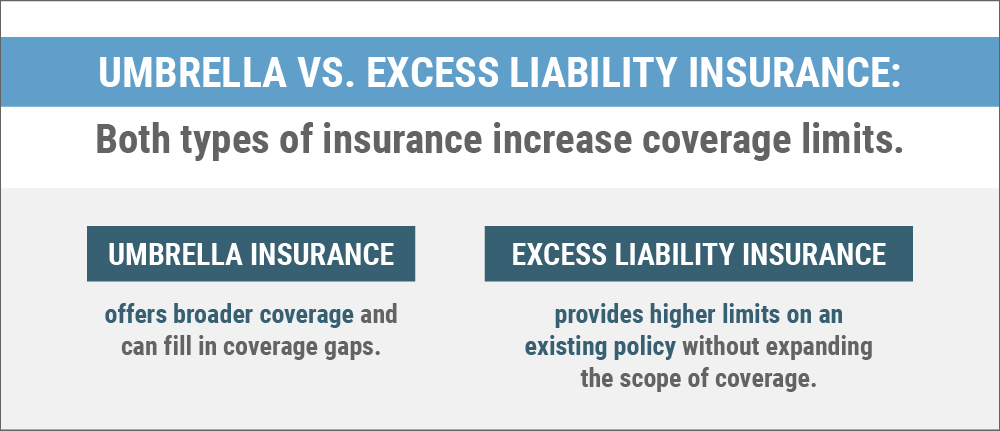
An excess liability insurance umbrella policy is designed to provide liability coverage above and beyond the limits of your existing insurance policies. Think of it as a safety net that catches you when your primary insurance policies fall short. It's called an "umbrella" policy because it provides broad coverage, extending over multiple underlying insurance policies, such as:
- Auto insurance
- Homeowners insurance
- Boat insurance
- Renters insurance
For example, if you're involved in a car accident and found liable for $1.5 million in damages, but your auto insurance policy only covers up to $500,000, an umbrella policy with a $1 million limit could cover the remaining $1 million. Without an umbrella policy, you would be personally responsible for paying the outstanding $1 million, potentially jeopardizing your savings, investments, and even future earnings.
How Does an Umbrella Policy Work?
The mechanics of an umbrella policy are relatively straightforward. When a claim exceeds the limits of your underlying insurance policy, the umbrella policy steps in to cover the difference, up to its policy limit. However, it's important to understand that an umbrella policy typically has a "self-insured retention" (SIR) or deductible for claims that are not covered by your underlying policies. This means you would be responsible for paying a certain amount out-of-pocket before the umbrella policy kicks in. For instance, if someone sues you for libel, and your homeowners insurance doesn't cover this type of claim, your umbrella policy might still provide coverage, but you would have to pay the SIR first.
Why Do You Need an Excess Liability Insurance Umbrella Policy?
The need for an umbrella policy often depends on your individual circumstances, including your net worth, lifestyle, and risk tolerance. Here are some key reasons why you might consider purchasing an umbrella policy:
Protecting Your Assets
The primary purpose of an umbrella policy is to protect your assets from being seized in a lawsuit. If you have significant assets, such as a home, investments, or savings, you become a more attractive target for lawsuits. An umbrella policy can shield these assets from being liquidated to cover a judgment against you.
Increased Liability Risks
Certain activities can increase your exposure to liability risks. For example, owning a swimming pool, having pets (especially dogs with a history of biting), participating in sports, or serving on a board of directors can all increase your risk of being sued. An umbrella policy can provide peace of mind knowing that you have extra protection in case of an unforeseen accident or incident.
Inadequate Underlying Coverage
While your existing insurance policies may seem adequate, they may not provide sufficient coverage in the event of a serious accident or lawsuit. Medical expenses, legal fees, and other damages can quickly exceed the limits of your primary insurance policies. An umbrella policy can fill the gap and prevent you from having to pay out-of-pocket.
Peace of Mind
Knowing that you have an extra layer of protection can provide significant peace of mind. An umbrella policy can help you sleep better at night knowing that you are prepared for unexpected events and potential financial losses.
What Does an Umbrella Policy Cover?
An umbrella policy typically provides coverage for a wide range of liability claims, including:
- Bodily injury
- Property damage
- Personal injury (e.g., libel, slander, defamation of character)
- Landlord liability
- Defense costs (legal fees, court costs)
However, it's important to note that umbrella policies typically exclude certain types of claims, such as:
- Intentional acts
- Business pursuits (unless specifically endorsed)
- Contractual liabilities
- Workers' compensation claims
It's crucial to carefully review the policy terms and conditions to understand what is covered and what is excluded.
How Much Umbrella Insurance Do You Need?
The amount of umbrella insurance you need depends on your individual circumstances, including your net worth, income, and risk tolerance. A general rule of thumb is to purchase enough coverage to protect your assets. Many financial advisors recommend having at least $1 million in coverage, and some high-net-worth individuals may need $5 million or more. Consider the potential financial impact of a lawsuit and how much you could realistically lose if you were found liable. It's always better to err on the side of caution and purchase more coverage than you think you need.
How Much Does an Umbrella Policy Cost?
Compared to the potential financial losses you could face in a lawsuit, umbrella insurance is relatively affordable. The cost of an umbrella policy typically ranges from $150 to $300 per year for $1 million in coverage. The exact cost will depend on several factors, including:
- Your insurance company
- Your location
- Your driving record
- The limits of your underlying insurance policies
- The amount of coverage you need
Often, insurance companies require you to have specific liability limits on your underlying policies before they will issue an umbrella policy. For example, they may require you to have at least $250,000 in auto liability coverage and $300,000 in homeowners liability coverage.
How to Obtain an Umbrella Policy
You can typically purchase an umbrella policy through your existing insurance company or through an independent insurance agent. It's a good idea to shop around and compare quotes from multiple insurers to ensure you're getting the best coverage at the best price. When shopping for an umbrella policy, be sure to:
- Review your existing insurance policies and determine the limits of your liability coverage.
- Assess your net worth and determine how much coverage you need to protect your assets.
- Compare quotes from multiple insurers.
- Read the policy terms and conditions carefully to understand what is covered and what is excluded.
- Ask questions and clarify any uncertainties with the insurance agent.
Conclusion
An excess liability insurance umbrella policy is a valuable tool for protecting your assets and mitigating financial risks. While it may seem like an unnecessary expense, the potential cost of being sued without adequate coverage can be devastating. By understanding what an umbrella policy is, how it works, and why you might need one, you can make an informed decision about whether it's the right choice for you and your family. Don't wait until it's too late – consider purchasing an umbrella policy today to safeguard your financial future.

0 Comments