
What is Real Estate Due Diligence and Why is it Important?
Real estate due diligence is the process of investigating a property before committing to a purchase. It's a critical step for any real estate investor, whether you're a seasoned professional or a first-time buyer. Thorough due diligence helps you uncover potential problems with the property, assess its true value, and make an informed investment decision. Skipping this step can lead to costly surprises down the road, turning a potentially profitable investment into a financial burden.
Think of due diligence as your safety net. It allows you to verify the information provided by the seller, identify hidden risks, and negotiate a fair price. By conducting thorough research and inspections, you can protect your investment and avoid costly mistakes.
Essential Components of a Real Estate Due Diligence Checklist
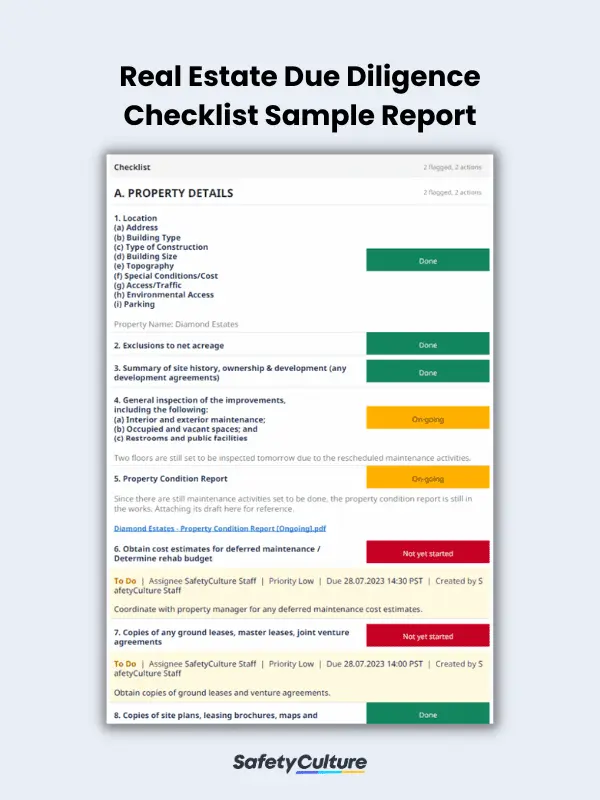
A comprehensive due diligence checklist covers various aspects of the property, from its legal standing to its physical condition. Here's a breakdown of the key areas to investigate:
1. Legal and Title Review
This is perhaps the most crucial aspect of due diligence. You need to ensure that the seller has clear title to the property and that there are no outstanding liens, encumbrances, or legal disputes that could affect your ownership rights.
- Title Search: Hire a title company to conduct a thorough title search to identify any potential issues with the property's ownership history.
- Review of Deeds and Surveys: Examine the property's deed and survey to verify its boundaries, easements, and any restrictions on its use.
- Liens and Encumbrances: Check for any outstanding liens (e.g., mortgages, tax liens, mechanic's liens) or encumbrances (e.g., easements, covenants) that could affect the property.
- Zoning Regulations: Verify that the property's current use complies with local zoning regulations and that your intended use is permitted.
- Property Taxes: Review the property tax records to understand the current tax rate and any potential future increases.
- Legal Disputes: Investigate any pending or past legal disputes involving the property.
2. Property Inspection and Condition Assessment
A professional property inspection is essential to identify any physical defects or structural issues that could require costly repairs. This includes examining the building's foundation, roof, electrical system, plumbing, HVAC system, and other key components.
- Hire a Qualified Inspector: Engage a licensed and experienced property inspector to conduct a thorough inspection of the property.
- Structural Inspection: Focus on the structural integrity of the building, including the foundation, walls, and roof.
- Electrical System Inspection: Evaluate the electrical system for safety and compliance with current codes.
- Plumbing System Inspection: Check for leaks, clogs, and other plumbing issues.
- HVAC System Inspection: Inspect the heating, ventilation, and air conditioning system for proper functioning.
- Environmental Hazards: Check for the presence of environmental hazards such as asbestos, lead paint, mold, and radon.
- Pest Infestation: Inspect for signs of pest infestation, such as termites, rodents, or other pests.
- Review Inspection Report: Carefully review the inspection report and address any concerns with the seller.
3. Financial and Market Analysis
Understanding the property's financial performance and its position in the local market is crucial for determining its investment potential. This includes analyzing rental income, operating expenses, and market trends.
- Rental Income Analysis: Review the property's rental income history and compare it to similar properties in the area.
- Operating Expense Analysis: Analyze the property's operating expenses, including property taxes, insurance, maintenance, and management fees.
- Market Research: Research the local real estate market to understand current rental rates, vacancy rates, and property values.
- Comparable Sales Analysis: Analyze recent sales of similar properties in the area to determine the property's fair market value.
- Cash Flow Projections: Develop cash flow projections to estimate the property's potential income and expenses over time.
- Return on Investment (ROI) Analysis: Calculate the property's potential ROI to determine its profitability.
4. Environmental Assessment
Depending on the property's history and location, an environmental assessment may be necessary to identify any potential environmental hazards that could affect its value or usability.
- Phase I Environmental Site Assessment (ESA): A Phase I ESA involves a review of historical records, site reconnaissance, and interviews to identify potential environmental concerns.
- Phase II Environmental Site Assessment (ESA): If a Phase I ESA identifies potential environmental concerns, a Phase II ESA may be required to collect soil and water samples for testing.
- Asbestos Inspection: Inspect for the presence of asbestos, especially in older buildings.
- Lead Paint Inspection: Inspect for the presence of lead paint, especially in buildings built before 1978.
- Mold Inspection: Inspect for the presence of mold, especially in areas with high humidity or water damage.
- Radon Testing: Test for radon gas, which is a naturally occurring radioactive gas that can be harmful to human health.
5. Insurance Review
Understanding the property's insurance coverage is essential to protect your investment from potential losses due to fire, natural disasters, or other unforeseen events.
- Review Existing Insurance Policies: Review the property's existing insurance policies to understand the coverage limits and exclusions.
- Obtain Quotes for New Insurance Policies: Obtain quotes for new insurance policies to ensure adequate coverage and competitive pricing.
- Flood Zone Determination: Determine whether the property is located in a flood zone, which may require flood insurance.
- Earthquake Insurance: Consider earthquake insurance if the property is located in an earthquake-prone area.
6. Lease Review (If Applicable)
If the property is currently leased, it's crucial to review the existing leases to understand the terms and conditions, including rental rates, lease expiration dates, and tenant responsibilities.
- Review Lease Agreements: Carefully review all existing lease agreements to understand the terms and conditions.
- Tenant Estoppel Certificates: Obtain tenant estoppel certificates to verify the terms of the leases and confirm that the tenants are not in default.
- Security Deposit Review: Review the security deposit amounts and ensure that they are being held in compliance with local laws.
7. Permits and Compliance
Verify that all necessary permits were obtained for any construction or renovations performed on the property and that the property is in compliance with all applicable building codes and regulations.
- Permit Verification: Verify that all necessary permits were obtained for any construction or renovations.
- Code Compliance: Ensure that the property is in compliance with all applicable building codes and regulations.
- Certificate of Occupancy: Obtain a certificate of occupancy to verify that the property is legally habitable.

0 Comments