
Understanding Debt-to-Income Ratio (DTI) and Mortgage Approval
When you're looking to buy a home, understanding your finances is crucial. One of the most important metrics lenders use to determine your eligibility for a mortgage is your debt-to-income ratio (DTI). Simply put, your DTI is a comparison of your monthly debt payments to your gross monthly income. It’s a key indicator of your ability to manage monthly payments and significantly impacts your mortgage approval chances.
A debt-to-income ratio calculator is an invaluable tool in this process. It allows you to quickly and easily estimate your DTI, giving you a clear picture of where you stand before you even apply for a mortgage. Knowing your DTI beforehand empowers you to make informed decisions about your finances and potentially improve your chances of getting approved for the loan you need.
What is Debt-to-Income Ratio (DTI)?
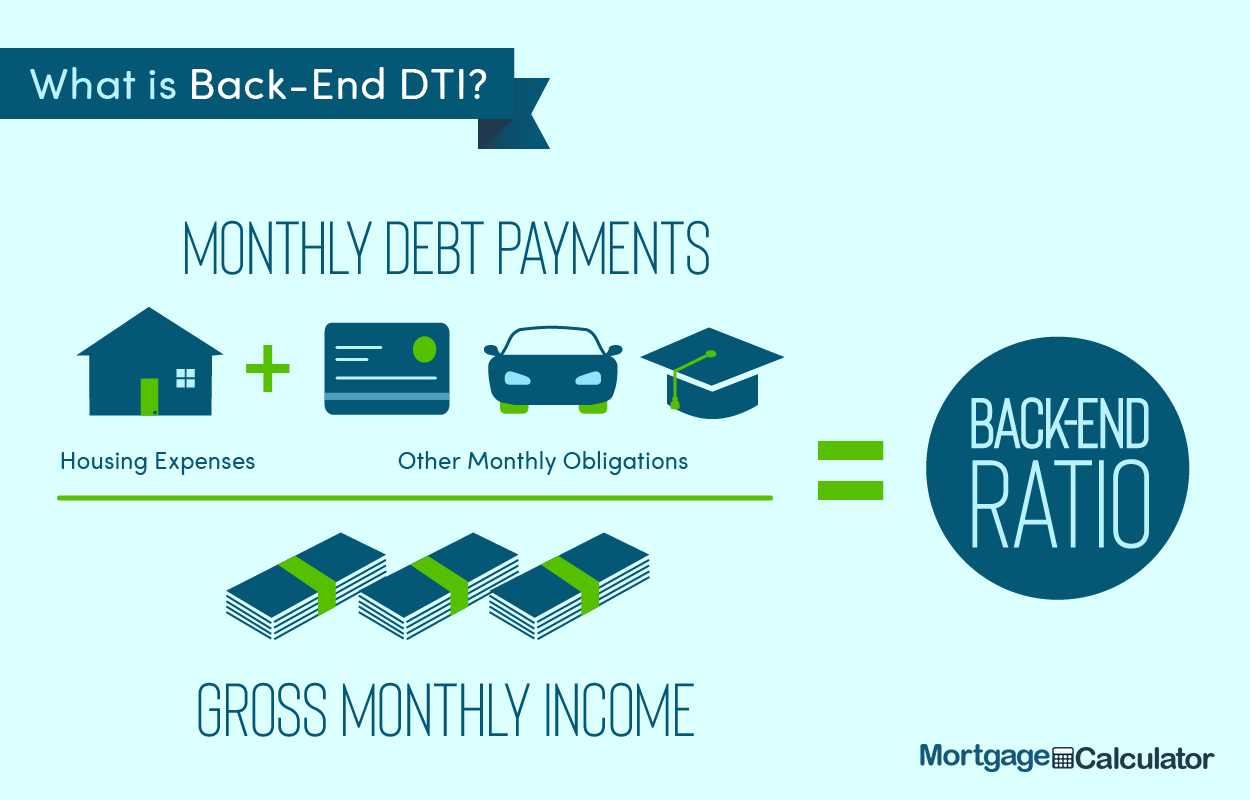
Your debt-to-income ratio (DTI) is expressed as a percentage. It's calculated by dividing your total monthly debt payments by your gross monthly income (before taxes and other deductions). For example, if your monthly debt payments total $2,000 and your gross monthly income is $6,000, your DTI would be 33% ($2,000 / $6,000 = 0.3333 or 33.33%).
Lenders use DTI to assess your ability to repay a mortgage. A lower DTI generally indicates that you have more disposable income available to cover your mortgage payments, making you a less risky borrower. A higher DTI suggests that a larger portion of your income is already committed to debt, which could make it harder for you to manage your mortgage payments, especially if unexpected expenses arise.
What Debts are Included in the DTI Calculation?
When calculating your DTI for mortgage approval, lenders typically consider the following debts:
- Credit card payments: Include minimum monthly payments on all credit cards, even if you pay more than the minimum.
- Student loans: Include monthly payments for all student loans, even if they are in deferment or forbearance (lenders may use a standard repayment calculation).
- Auto loans: Include monthly payments for all car loans.
- Personal loans: Include monthly payments for any personal loans you have.
- Child support or alimony: Include any court-ordered child support or alimony payments.
- Other recurring debts: Include any other regular debt payments, such as payments to a collections agency.
- Proposed mortgage payment: This includes principal, interest, property taxes, and homeowner's insurance (often referred to as PITI). It may also include HOA fees.
Rent is *not* included in the DTI calculation for mortgage approval because the intention is to assess the risk of *taking on* a mortgage. However, your rental history may be considered in other aspects of the loan application.
What Income is Included in the DTI Calculation?
Lenders primarily consider your gross monthly income when calculating your DTI. This is your income *before* taxes and other deductions are taken out. Acceptable income sources typically include:
- Salary or wages: Your regular income from your job. Lenders will likely require pay stubs and W-2 forms to verify your income.
- Self-employment income: Income from your own business. Lenders will require tax returns and other documentation to verify your income.
- Social Security income: Income from Social Security benefits.
- Pension income: Income from a pension or retirement account.
- Investment income: Income from investments, such as dividends or interest. This may require documentation of consistent income over time.
- Alimony or child support: Court-ordered alimony or child support payments *received*.
Lenders will typically average income over a period of time (e.g., two years) to determine a stable monthly income. They will also look for consistency and stability in your income source.
How a Debt-to-Income Ratio Calculator Works
A DTI calculator simplifies the process of determining your DTI. Most calculators are online and ask you to input two key pieces of information:
- Total Monthly Debt Payments: Enter the sum of all your recurring monthly debt payments, as described above.
- Gross Monthly Income: Enter your total monthly income before taxes and deductions.
The calculator then automatically divides your total monthly debt payments by your gross monthly income and multiplies the result by 100 to express your DTI as a percentage.
Ideal DTI Ratios for Mortgage Approval
While the "ideal" DTI ratio can vary depending on the lender, loan type, and overall financial profile, here's a general guideline:
- 36% or less: Generally considered excellent. This indicates that you have a good handle on your debt and plenty of room to afford a mortgage payment.
- 37% to 43%: Considered good. You are likely managing your debt well.
- 44% to 49%: Considered fair. Lenders may scrutinize your application more closely and require a higher down payment or a higher interest rate.
- 50% or higher: Considered high. Lenders may be hesitant to approve your mortgage application, as this suggests you may struggle to manage your debt obligations.
It's important to note that these are just general guidelines. Some lenders may be more flexible, particularly if you have a strong credit score, a large down payment, or a stable employment history. However, aiming for a lower DTI will always improve your chances of mortgage approval and potentially qualify you for better interest rates.
Improving Your Debt-to-Income Ratio
If your DTI is higher than you'd like, there are several steps you can take to improve it:
- Pay down debt: This is the most direct way to lower your DTI. Focus on paying down high-interest debt, such as credit card balances, first.
- Increase your income: Explore opportunities to increase your income, such as taking on a side hustle, asking for a raise, or finding a higher-paying job.
- Avoid taking on new debt: Refrain from opening new credit cards or taking out new loans while you're trying to improve your DTI.
- Consolidate debt: Consider consolidating high-interest debt into a lower-interest loan. This can lower your monthly payments and improve your DTI.
- Refinance existing debt: Refinancing existing loans, such as auto loans or student loans, to a lower interest rate or longer repayment term can also lower your monthly payments.
Improving your DTI takes time and effort, but it's a worthwhile investment that can significantly improve your chances of getting approved for a mortgage and achieving your homeownership goals.
Using a DTI Calculator Strategically
A debt-to-income ratio calculator is more than just a tool for determining your current DTI; it's also a valuable tool for planning and strategizing. You can use a DTI calculator to:
- Estimate the impact of different mortgage amounts: Experiment with different mortgage amounts to see how they would affect your DTI.
- Evaluate the affordability of different homes: Use the calculator to determine if you can comfortably afford the monthly payments on a particular home.
- Project the impact of paying down debt: See how paying down specific debts would lower your DTI.
- Plan for future income increases: Estimate how an expected raise or bonus would improve your DTI.
By using a DTI calculator strategically, you can gain a better understanding of your financial situation and make informed decisions that will help you achieve your homeownership dreams.

0 Comments