
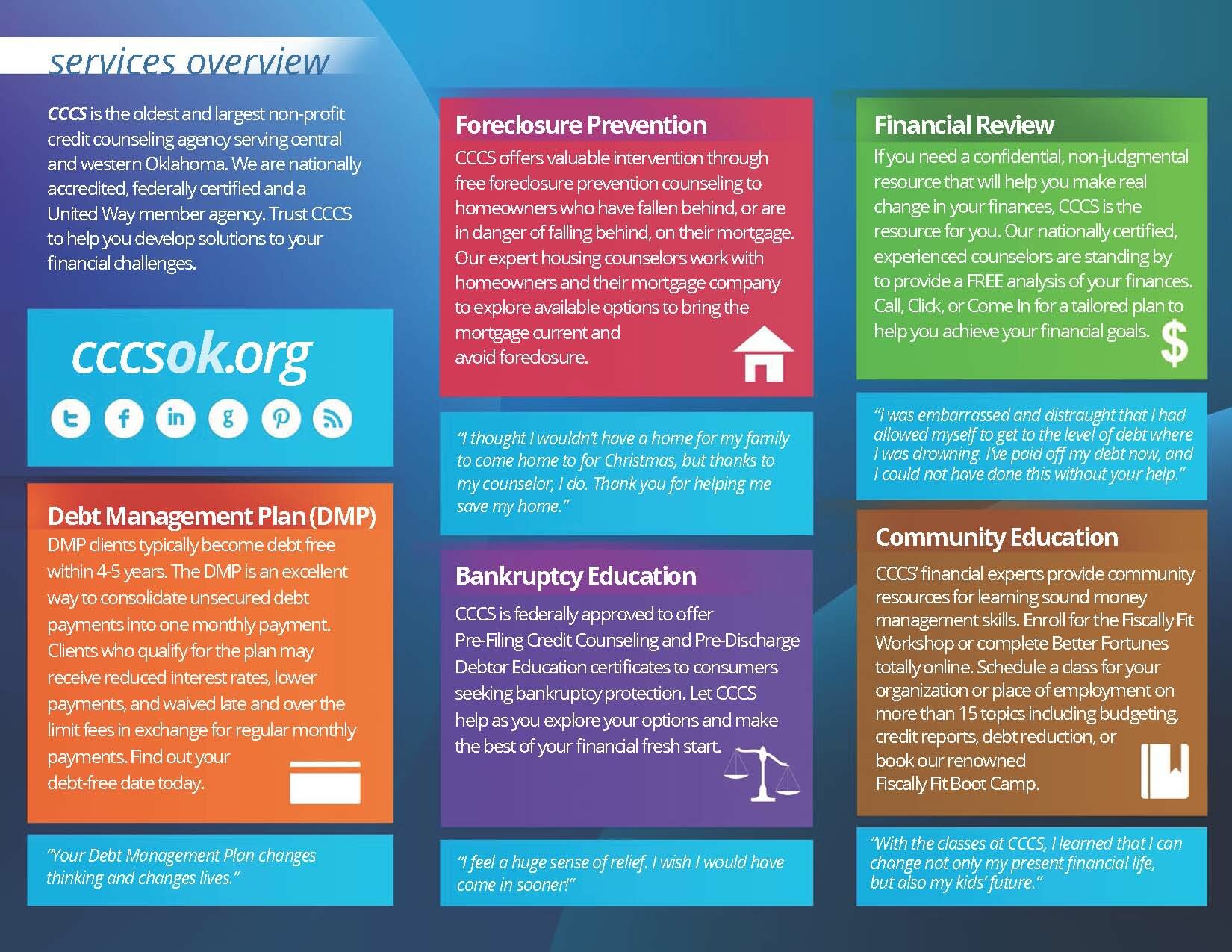
Understanding Foreclosure and Its Impact
Foreclosure is a legal process where a lender attempts to recover the balance of a loan by seizing and selling the property used as collateral for the loan. For homeowners, facing foreclosure can be a devastating experience, leading to displacement, damaged credit scores, and significant emotional distress. Understanding the foreclosure process and exploring available options is crucial for navigating this challenging situation.
The consequences of foreclosure extend far beyond losing your home. A foreclosure can severely damage your credit report, making it difficult to obtain future loans, rent an apartment, or even secure employment. The emotional toll of foreclosure can also be significant, leading to stress, anxiety, and depression. Therefore, proactive measures to avoid or mitigate foreclosure are essential.
What is a Debt Management Plan (DMP)?
A Debt Management Plan (DMP) is an agreement between you and your creditors, facilitated by a credit counseling agency. It's designed to help you repay your debts over a period of time, typically three to five years. A DMP is not a loan; it's a structured repayment plan that can simplify your finances and potentially reduce interest rates and fees.
Typically, a credit counseling agency will work with you to assess your financial situation, including your income, expenses, and debts. They will then negotiate with your creditors to lower interest rates and waive certain fees. You'll make a single monthly payment to the credit counseling agency, which will then distribute the funds to your creditors according to the agreed-upon terms.
How a DMP Can Help Homeowners Facing Foreclosure
While a DMP is primarily designed for unsecured debts like credit card debt, it can indirectly assist homeowners facing foreclosure by freeing up cash flow and improving their overall financial stability. Here's how:
Reducing Unsecured Debt Burden
By consolidating and managing your unsecured debts through a DMP, you can significantly reduce your monthly payments. This frees up more of your income to allocate towards your mortgage payments, potentially preventing further delinquency and foreclosure.
Improving Credit Score
Making consistent, on-time payments through a DMP can gradually improve your credit score. A better credit score can open doors to other foreclosure prevention options, such as loan modification or refinancing.
Demonstrating Financial Responsibility
Enrolling in a DMP demonstrates to lenders that you are taking proactive steps to manage your debt and improve your financial situation. This can be a positive factor when negotiating with your mortgage lender for alternative payment arrangements.
Steps to Take When Considering a DMP for Foreclosure Prevention
Assess Your Financial Situation
Before enrolling in a DMP, carefully evaluate your financial situation. Determine your income, expenses, assets, and liabilities. Create a detailed budget to understand where your money is going and identify areas where you can cut back.
Contact a Credit Counseling Agency
Find a reputable credit counseling agency accredited by the National Foundation for Credit Counseling (NFCC) or the Financial Counseling Association of America (FCAA). These organizations ensure that their member agencies adhere to high ethical and professional standards. Avoid agencies that charge excessive fees or make unrealistic promises.
Consult with a Housing Counselor
In addition to a credit counselor, consider consulting with a HUD-approved housing counselor. These counselors specialize in helping homeowners facing foreclosure and can provide valuable guidance on available options, including loan modification, short sale, and deed-in-lieu of foreclosure. They can also help you navigate the complex foreclosure process and advocate on your behalf with your lender.
Explore Other Foreclosure Prevention Options
A DMP is just one tool in the foreclosure prevention toolbox. Explore other options, such as:
Loan Modification
A loan modification involves permanently changing the terms of your mortgage to make it more affordable. This could include lowering the interest rate, extending the loan term, or adding missed payments to the loan balance.
Refinancing
Refinancing involves taking out a new mortgage to pay off your existing mortgage. If you qualify, you may be able to refinance at a lower interest rate or with a longer loan term, reducing your monthly payments.
Forbearance
Forbearance allows you to temporarily suspend or reduce your mortgage payments. This can provide short-term relief while you get back on your feet financially.
Short Sale
A short sale involves selling your home for less than you owe on your mortgage. The lender agrees to accept the proceeds of the sale as full payment of the debt.
Deed-in-Lieu of Foreclosure
A deed-in-lieu of foreclosure involves transferring ownership of your home to the lender in exchange for the cancellation of your mortgage debt.
Understand the DMP Terms and Conditions
Carefully review the terms and conditions of the DMP before enrolling. Understand the fees involved, the interest rates you will be paying, and the repayment schedule. Make sure you are comfortable with the terms and that you can afford the monthly payments.
Commit to the DMP
A DMP requires commitment and discipline. You must make consistent, on-time payments to the credit counseling agency to ensure the plan's success. If you miss payments, you risk jeopardizing the plan and potentially damaging your credit score further.
Potential Drawbacks of a DMP
While a DMP can be a helpful tool for managing debt, it's important to be aware of the potential drawbacks:
Impact on Credit Score
While a DMP can ultimately improve your credit score, it may initially have a negative impact. Closing credit accounts as part of the plan can temporarily lower your credit score.
Fees
Credit counseling agencies typically charge fees for their services. These fees can vary depending on the agency and the services provided.
Not a Quick Fix
A DMP is not a quick fix for debt problems. It requires commitment and discipline to repay your debts over a period of time.
Limited Availability for Secured Debts
DMPs primarily focus on unsecured debts. While it can free up cash for mortgage payments, it doesn't directly address the mortgage debt itself.
Seeking Professional Help
Navigating the foreclosure process and exploring debt management options can be overwhelming. Don't hesitate to seek professional help from a credit counselor, housing counselor, or attorney. These professionals can provide valuable guidance and support to help you make informed decisions and protect your interests.
Remember, you are not alone. Many resources are available to help homeowners facing foreclosure. By taking proactive steps and exploring all available options, you can increase your chances of avoiding foreclosure and achieving financial stability.

0 Comments