
Understanding Debt Consolidation Loans
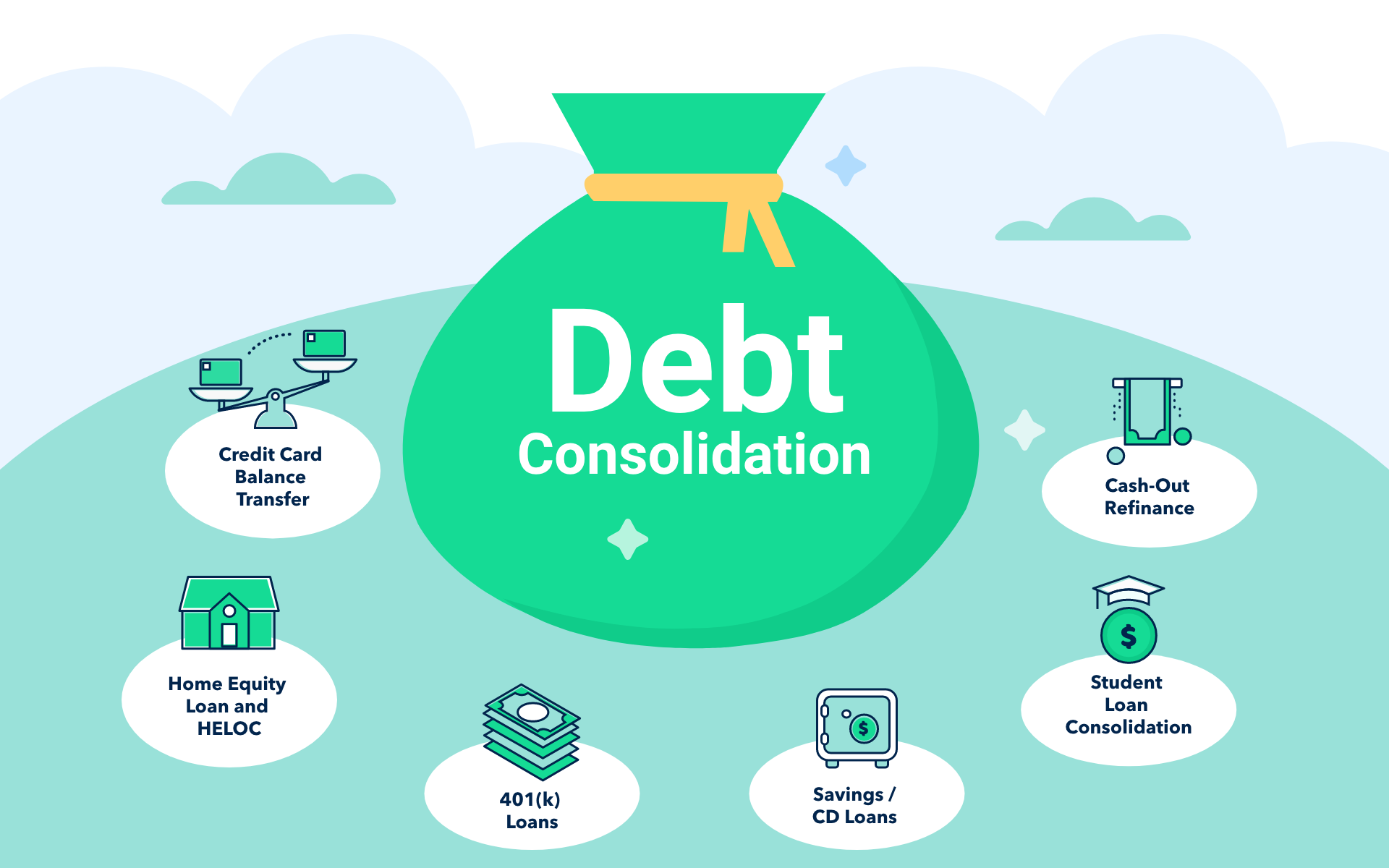
Debt consolidation loans offer a way to simplify your finances by combining multiple debts into a single loan with a fixed interest rate. Instead of juggling various payments and interest rates, you make one manageable monthly payment. This can potentially lower your overall interest costs and help you pay off your debt faster.
The primary goal of debt consolidation is to make debt repayment more manageable and potentially save money on interest. It can be a good option for individuals struggling with multiple credit card balances, personal loans, or other types of unsecured debt.
Debt Consolidation Loans Without Collateral: What You Need to Know
Many people assume that all loans require collateral, but that isn't always the case. Debt consolidation loans can be either secured or unsecured. A secured loan requires you to pledge an asset, such as your home or car, as collateral. If you fail to repay the loan, the lender can seize the asset. Unsecured debt consolidation loans, on the other hand, do not require any collateral.
For individuals who don't own assets they're willing to risk or who prefer not to use their assets as security, unsecured debt consolidation loans are an appealing option. However, because the lender takes on more risk, unsecured loans typically come with higher interest rates and stricter eligibility requirements than secured loans.
Benefits of Unsecured Debt Consolidation Loans
Choosing an unsecured debt consolidation loan offers several key advantages:
- No Risk of Losing Assets: This is the most significant benefit. You don't have to worry about losing your home, car, or other valuable possessions if you encounter financial difficulties.
- Simpler Application Process: While still requiring a credit check and income verification, the application process for unsecured loans is often less complex than for secured loans. There's no need for appraisals or property valuations.
- Flexibility: You can use the loan to consolidate various types of unsecured debt, providing greater flexibility in managing your finances.
Drawbacks of Unsecured Debt Consolidation Loans
While offering many benefits, unsecured debt consolidation loans also have some drawbacks:
- Higher Interest Rates: Due to the increased risk for lenders, unsecured loans typically have higher interest rates than secured loans.
- Stricter Eligibility Requirements: Lenders often require a good credit score and a stable income to qualify for an unsecured debt consolidation loan.
- Lower Loan Amounts: The maximum loan amount available for unsecured debt consolidation may be lower than for secured loans.
Who Can Benefit from Debt Consolidation Loans with No Collateral?
Unsecured debt consolidation loans can be a good option for:
- Individuals with multiple high-interest debts: Consolidating these debts into a single loan with a lower interest rate can save you money in the long run.
- People struggling to manage multiple payments: Simplifying your payments into one monthly bill can make budgeting easier and reduce the risk of missed payments.
- Those who want to improve their credit score: Making consistent, on-time payments on a debt consolidation loan can help improve your credit score over time.
- Renters or those without significant assets: For individuals who don't own a home or other valuable assets, an unsecured debt consolidation loan provides a way to consolidate debt without putting their possessions at risk.
Factors to Consider Before Applying
Before applying for an unsecured debt consolidation loan, carefully consider the following factors:
Credit Score
Your credit score is a major factor in determining your eligibility and the interest rate you'll receive. A higher credit score typically translates to a lower interest rate. Check your credit report for any errors and take steps to improve your score before applying.
Income and Debt-to-Income Ratio (DTI)
Lenders will assess your income and DTI ratio (the percentage of your gross monthly income that goes towards debt payments) to determine your ability to repay the loan. A lower DTI ratio is generally more favorable.
Interest Rate and Fees
Compare interest rates from multiple lenders to find the best deal. Also, be aware of any fees associated with the loan, such as origination fees, prepayment penalties, or late payment fees.
Loan Terms
Consider the loan term, which is the length of time you have to repay the loan. A longer loan term will result in lower monthly payments but higher overall interest costs. Choose a loan term that balances affordability with minimizing total interest paid.
Reputation of the Lender
Research the lender's reputation and read reviews from other borrowers. Make sure the lender is reputable and has a good track record of customer service.
Finding the Right Lender for Your Needs
Numerous lenders offer unsecured debt consolidation loans, so it's essential to shop around and compare offers. Here are some options to consider:
Banks and Credit Unions
Traditional banks and credit unions often offer competitive interest rates and may be a good option if you have an existing relationship with them.
Online Lenders
Online lenders typically have a streamlined application process and may offer more flexible eligibility requirements than traditional lenders. However, be sure to research the lender's reputation before applying.
Peer-to-Peer Lending Platforms
Peer-to-peer lending platforms connect borrowers with individual investors. These platforms may offer lower interest rates than traditional lenders, but eligibility requirements can be strict.
Steps to Take After Getting Approved
Once you've been approved for an unsecured debt consolidation loan, follow these steps to ensure a smooth transition:
Pay Off Your Existing Debts
Use the loan proceeds to pay off your existing debts as quickly as possible. This will eliminate the multiple payments and high interest rates you were previously dealing with.
Close Unused Credit Accounts
Consider closing any unused credit accounts to avoid the temptation of accumulating more debt. This can also help improve your credit utilization ratio, which is a key factor in your credit score.
Create a Budget
Develop a budget to track your income and expenses and ensure you can comfortably afford your monthly loan payments. This will help you stay on track and avoid falling back into debt.
Avoid Taking on New Debt
Resist the urge to take on new debt while you're repaying your debt consolidation loan. Focus on making your payments on time and building a solid financial foundation.
Alternatives to Debt Consolidation Loans
If a debt consolidation loan isn't the right fit for you, consider these alternative options:
Credit Counseling
A credit counselor can help you develop a budget, negotiate with creditors, and create a debt management plan.
Debt Management Plan (DMP)
A DMP involves working with a credit counseling agency to create a plan to repay your debts over time. The agency may be able to negotiate lower interest rates or fees with your creditors.
Balance Transfer Credit Cards
A balance transfer credit card allows you to transfer high-interest balances from other credit cards to a new card with a lower interest rate or a 0% introductory period.
Debt Settlement
Debt settlement involves negotiating with your creditors to pay off your debts for less than the full amount owed. This option can have a negative impact on your credit score.
Navigating debt can be challenging, but understanding your options and taking proactive steps can help you achieve financial freedom. Unsecured debt consolidation loans offer a viable solution for many individuals seeking to simplify their finances and manage their debt more effectively. Remember to carefully research your options, compare offers, and choose a loan that aligns with your financial goals.

0 Comments