
Understanding Contractor Liability Insurance and Its Importance
As a contractor, you face various risks on a daily basis. From accidental property damage to bodily injury claims, unforeseen events can lead to significant financial losses. That's where contractor liability insurance comes in. This type of insurance protects your business from financial ruin by covering legal expenses, medical bills, and property repair costs associated with covered claims. But how much does contractor liability insurance cost, and what factors influence the premium?
The Need for a Contractor Liability Insurance Cost Calculator
Determining the exact cost of contractor liability insurance isn't always straightforward. Insurance companies consider multiple factors when calculating premiums, making it challenging to estimate your potential expenses. This is where a contractor liability insurance cost calculator proves invaluable. While not providing an exact quote, a good calculator can give you a realistic estimate based on your specific circumstances, helping you budget effectively and make informed decisions about your insurance coverage.
Factors Affecting Contractor Liability Insurance Costs
Several key elements determine the price of your contractor liability insurance. Understanding these factors will empower you to better control your insurance costs and ensure you have adequate coverage.
Type of Work Performed
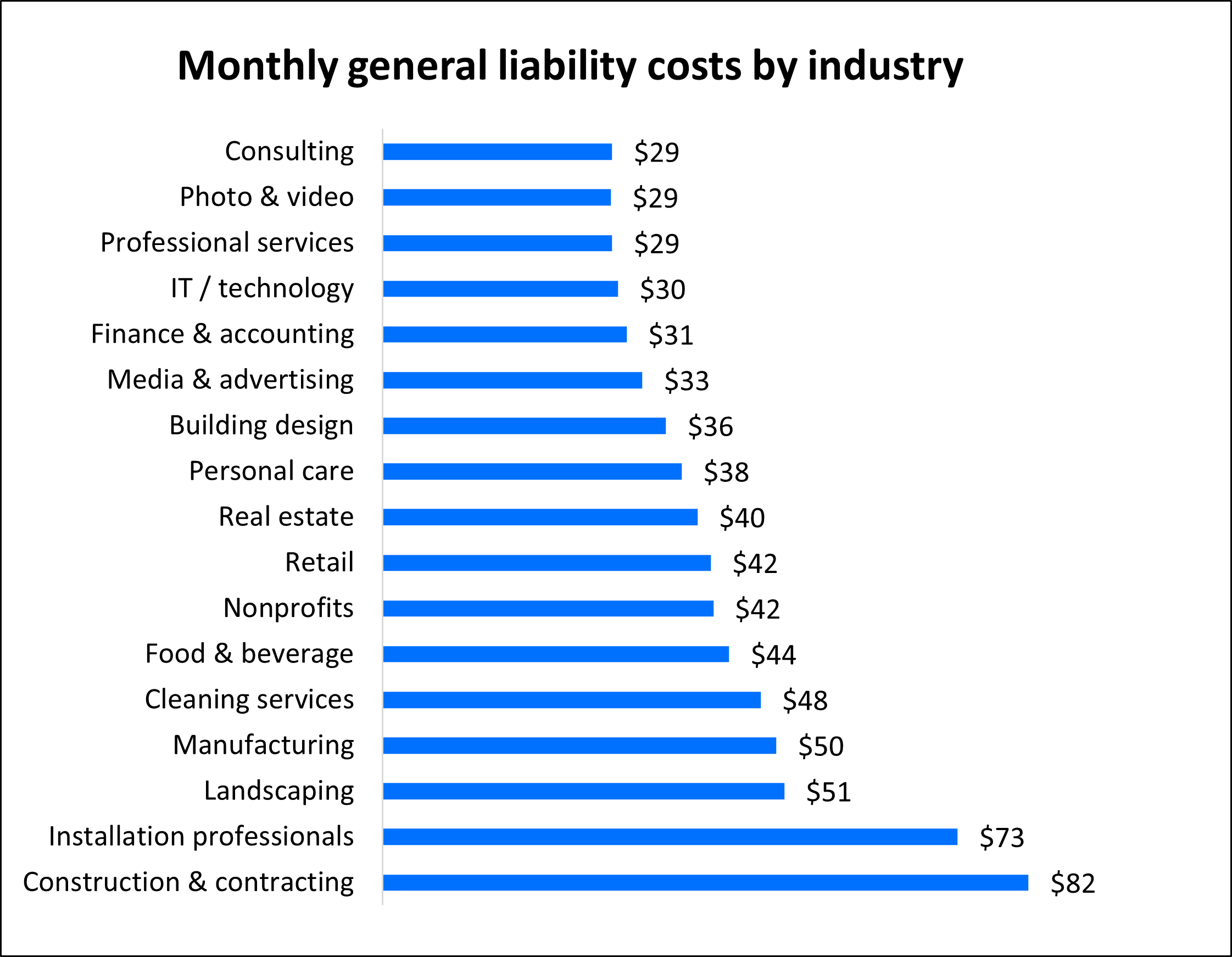
The nature of your contracting work significantly impacts your insurance rates. High-risk trades, such as roofing, electrical work, and demolition, typically command higher premiums due to the increased potential for accidents and injuries. Lower-risk trades, like painting or landscaping, generally have lower insurance costs. Insurance companies evaluate the inherent risks associated with your specific trade to assess the likelihood of a claim.
Business Size and Revenue
Larger contracting businesses with higher annual revenues usually pay more for liability insurance. This is because they often undertake larger projects, employ more workers, and have a greater overall exposure to risk. Insurance providers consider your revenue as an indicator of your business's size and operational scale.
Number of Employees
The more employees you have, the higher your insurance premium will likely be. Each employee represents an additional potential liability. More employees mean an increased chance of accidents, injuries, and potential claims. Insurance companies factor in the number of employees when calculating your risk profile.
Coverage Limits
The coverage limits you choose directly affect your insurance costs. Higher coverage limits provide greater financial protection in the event of a significant claim, but they also come with higher premiums. Common coverage limits for contractor liability insurance range from $1 million to $2 million per occurrence, with aggregate limits of $2 million to $4 million. Determining the appropriate coverage limits depends on the size and scope of your projects, as well as your risk tolerance.
Location
Your business location can influence your insurance rates. Contractors operating in areas with higher rates of construction accidents or lawsuits may face higher premiums. Some states or cities have more stringent regulations or higher litigation costs, which can impact insurance prices. Urban areas often have higher costs than rural locations.
Claims History
A history of past claims will almost certainly increase your insurance costs. Insurance companies view contractors with previous claims as higher risks. A clean claims history, on the other hand, can help you secure lower premiums. Maintaining a safe work environment and implementing robust safety protocols can help prevent accidents and keep your claims history clean.
Deductible
Your deductible is the amount you pay out-of-pocket before your insurance coverage kicks in. Choosing a higher deductible can lower your premium, but it also means you'll have to pay more if you file a claim. Conversely, a lower deductible results in a higher premium but less out-of-pocket expense in the event of a claim. Select a deductible that aligns with your financial capabilities and risk tolerance.
Years in Business
Contractors with more years of experience often benefit from lower insurance rates. Insurance companies perceive established businesses as less risky than newer ventures. A proven track record demonstrates your expertise and ability to manage projects safely and effectively.
Subcontractor Usage
If you frequently hire subcontractors, your insurance costs may increase. You are generally responsible for the actions of your subcontractors, so their potential for errors or negligence can impact your risk profile. Ensure that your subcontractors carry their own liability insurance to mitigate this risk. Request certificates of insurance from your subcontractors to verify their coverage.
Using a Contractor Liability Insurance Cost Calculator Effectively
While online cost calculators can provide a helpful estimate, it's crucial to remember that they are not a substitute for professional advice. To get the most accurate quote, it's recommended to consult with an independent insurance agent who specializes in contractor insurance. An agent can assess your specific needs, compare quotes from multiple insurance companies, and help you find the best coverage at the most competitive price. Be prepared to provide detailed information about your business, including your trade, revenue, employee count, and claims history.
Beyond the Calculator: Additional Tips for Lowering Insurance Costs
In addition to using a cost calculator and working with an insurance agent, there are several other steps you can take to potentially lower your contractor liability insurance premiums:
- Implement a Comprehensive Safety Program: A well-designed safety program can reduce accidents and injuries, leading to fewer claims and lower insurance costs.
- Provide Regular Safety Training: Train your employees on safe work practices and hazard awareness.
- Maintain a Clean Worksite: A clean and organized worksite reduces the risk of accidents.
- Use High-Quality Materials: Using durable and reliable materials can minimize the likelihood of property damage claims.
- Secure Proper Licensing and Permits: Ensure you have all the necessary licenses and permits for your projects.
- Consider Bundling Policies: Bundling your liability insurance with other types of insurance, such as workers' compensation or commercial auto insurance, can often result in discounts.

0 Comments