
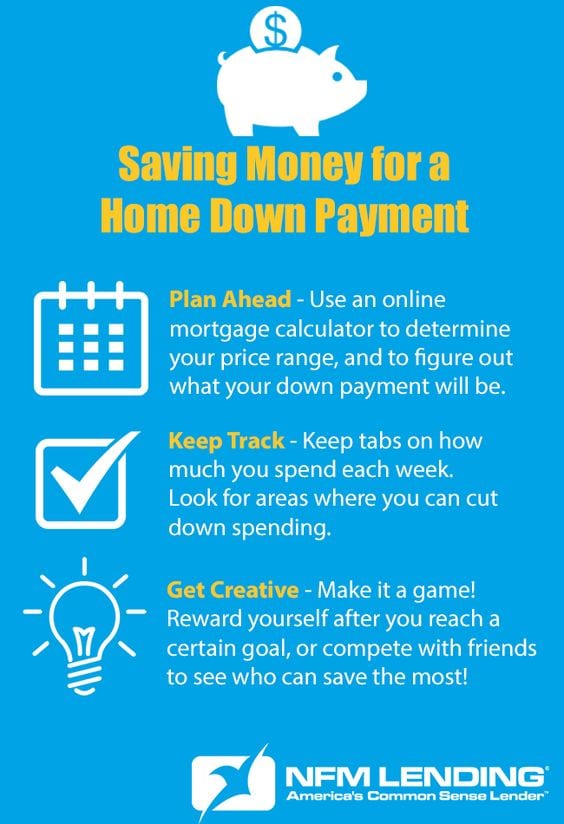
Saving for a Down Payment: A Crucial Step to Homeownership
Buying a house is a significant milestone for many people. It's a symbol of stability, a long-term investment, and a place to call your own. However, one of the biggest hurdles in achieving this dream is saving for a down payment. A down payment is the initial lump sum of money you pay towards the purchase price of a home, and it typically ranges from 3% to 20% of the total cost. While the amount can seem daunting, with careful planning and consistent effort, saving for a down payment is entirely achievable.
Creating a Realistic Budget and Sticking to It
The cornerstone of any successful savings plan is a well-defined budget. Understanding where your money is going each month allows you to identify areas where you can cut back and redirect funds towards your down payment goal.
Track Your Expenses
Start by meticulously tracking your expenses for a month or two. You can use budgeting apps, spreadsheets, or even a simple notebook. Categorize your spending into fixed expenses (rent, utilities, loan payments) and variable expenses (groceries, entertainment, dining out). This will provide a clear picture of your spending habits.
Identify Areas to Cut Back
Once you have a good understanding of your spending, look for areas where you can realistically cut back. Small changes can add up significantly over time. Consider these options:
- Dining Out: Reduce the frequency of eating at restaurants or ordering takeout. Cook more meals at home, which is generally much cheaper.
- Entertainment: Explore free or low-cost entertainment options, such as hiking, visiting parks, attending free community events, or having movie nights at home.
- Subscriptions: Review your subscriptions (streaming services, magazines, gym memberships) and cancel those you don't use regularly.
- Transportation: If possible, consider biking, walking, or using public transportation instead of driving. You can also carpool with colleagues or friends.
- Impulse Purchases: Avoid impulse buying by creating a shopping list and sticking to it. Wait a day or two before making any non-essential purchases to see if you really need them.
Set a Savings Goal and Timeline
Determine how much you need to save for your down payment and set a realistic timeline for achieving your goal. Consider the average home prices in your desired area and the percentage you want to put down. Divide the total amount by the number of months you have to save to calculate your monthly savings target.
Automating Your Savings
One of the most effective ways to save consistently is to automate your savings. This involves setting up automatic transfers from your checking account to a dedicated savings account each month.
Set Up Automatic Transfers
Schedule automatic transfers from your checking account to a high-yield savings account or a dedicated down payment savings account. Choose a day that aligns with your payday to ensure you have sufficient funds available. Even small, regular transfers can make a big difference over time.
Treat Savings Like a Bill
Think of your savings as a non-negotiable bill that must be paid each month. Prioritize it just like you would your rent or mortgage payment. This mindset will help you stay disciplined and avoid dipping into your savings for other expenses.
Exploring Different Savings Vehicles
Where you keep your savings can impact how quickly they grow. Consider these options:
High-Yield Savings Accounts
High-yield savings accounts offer significantly higher interest rates than traditional savings accounts. This can help your money grow faster over time. Shop around and compare rates from different banks and credit unions.
Certificates of Deposit (CDs)
CDs are savings accounts that hold a fixed amount of money for a fixed period of time, typically ranging from a few months to several years. They usually offer higher interest rates than savings accounts, but you'll need to commit to leaving the money untouched for the duration of the term.
Money Market Accounts
Money market accounts are similar to savings accounts but often offer higher interest rates and may come with check-writing privileges. They typically require a higher minimum balance.
Consider a Roth IRA (With Caution)
While primarily designed for retirement, a Roth IRA can be used for a first-time home purchase. You can withdraw your contributions (but not the earnings) tax-free and penalty-free. However, it's important to carefully consider the potential impact on your retirement savings before using this option. Consult with a financial advisor to determine if it's the right choice for you.
Increasing Your Income
While cutting expenses is crucial, increasing your income can significantly accelerate your savings progress.
Explore Side Hustles
Consider taking on a side hustle to earn extra income. There are numerous options available, depending on your skills and interests. Some popular side hustles include:
- Freelancing: Offer your skills as a freelance writer, graphic designer, web developer, or virtual assistant.
- Driving for a Ride-Sharing Service: Drive for Uber or Lyft in your spare time.
- Delivery Services: Deliver food or groceries for companies like DoorDash or Instacart.
- Online Tutoring: Tutor students online in subjects you excel in.
- Selling Items Online: Sell unwanted items on platforms like eBay or Craigslist.
Negotiate a Raise
If you're due for a performance review, prepare a strong case for a raise. Highlight your accomplishments and contributions to the company. Research industry salaries to determine a fair asking price.
Consider a New Job
If you're not satisfied with your current salary or career prospects, consider looking for a new job. A job change can often lead to a significant increase in income.
Reducing Debt
High-interest debt can significantly hinder your ability to save for a down payment. Prioritize paying down debt to free up more cash flow.
Create a Debt Repayment Plan
Develop a plan to aggressively pay down your debt. Consider the debt snowball method (paying off the smallest balances first) or the debt avalanche method (paying off the highest-interest debts first). Choose the method that works best for your personality and financial situation.
Consolidate Debt
If you have multiple high-interest debts, consider consolidating them into a single loan with a lower interest rate. This can save you money on interest payments and make it easier to manage your debt.
Seeking Assistance Programs
Numerous assistance programs are available to help first-time homebuyers with their down payment. Research and explore these options:
First-Time Homebuyer Programs
Many states and local governments offer first-time homebuyer programs that provide grants, loans, or tax credits to help with down payment and closing costs. Check with your state's housing finance agency for more information.
Federal Housing Administration (FHA) Loans
FHA loans are insured by the Federal Housing Administration and offer lower down payment requirements than conventional loans. They are a popular option for first-time homebuyers.
VA Loans
VA loans are guaranteed by the Department of Veterans Affairs and are available to eligible veterans and active-duty military personnel. They typically require no down payment.
Staying Motivated and Disciplined
Saving for a down payment can be a long and challenging process. It's important to stay motivated and disciplined throughout the journey.
Visualize Your Goal
Create a vision board or keep a picture of your dream home in a visible place. This will serve as a constant reminder of your goal and help you stay motivated.
Celebrate Milestones
Acknowledge and celebrate your progress along the way. Reward yourself for reaching savings milestones, but choose rewards that won't derail your savings efforts.
Seek Support
Talk to friends, family members, or a financial advisor for support and encouragement. Sharing your goals with others can help you stay accountable.

0 Comments