
Understanding High-Interest Debt and Its Impact
High-interest debt can feel like a crushing weight, constantly draining your finances and hindering your ability to achieve your financial goals. Credit cards, payday loans, and some personal loans often come with exorbitant interest rates, meaning a significant portion of your payments goes towards interest rather than the principal balance. This makes it difficult to make progress and can trap you in a cycle of debt.
Before diving into strategies, it's crucial to understand the true cost of your high-interest debt. Calculate the total amount you owe, the interest rates on each debt, and the minimum payments required. This will provide a clear picture of your financial situation and help you prioritize your efforts.
The Snowball Method: Motivation Through Small Wins
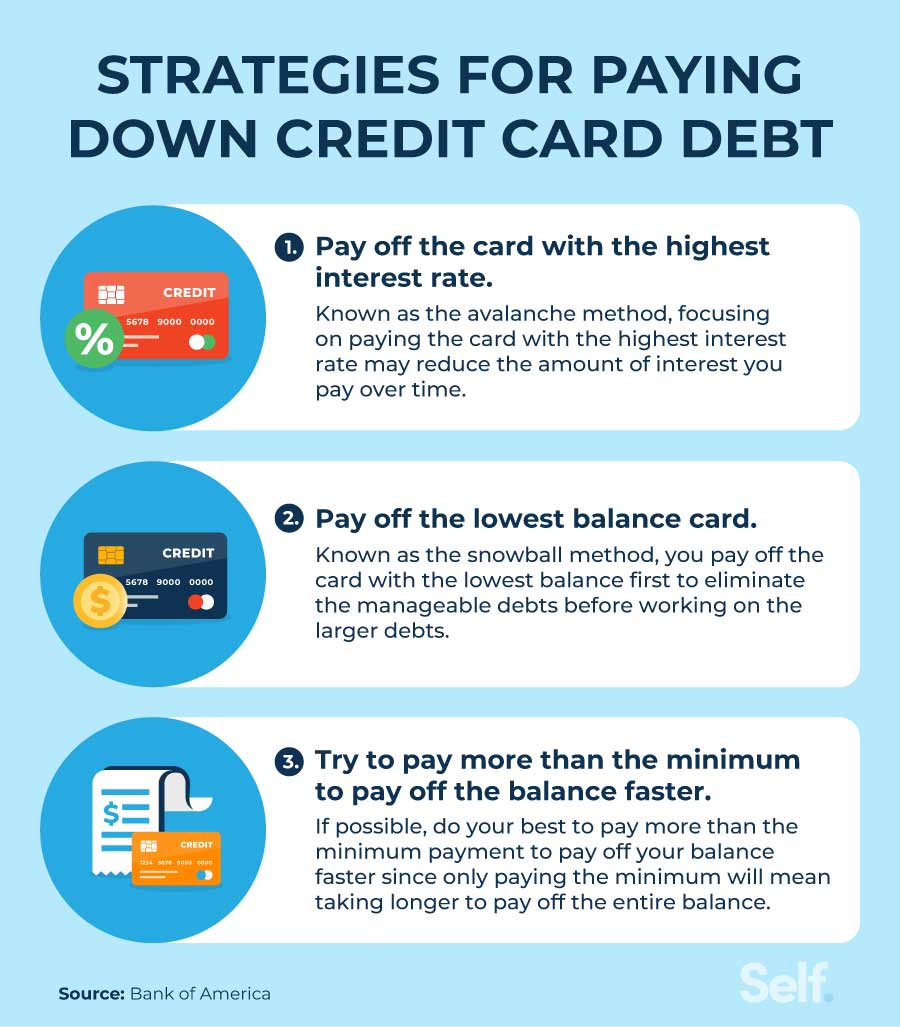
The debt snowball method is a popular strategy that focuses on paying off your debts in order of smallest balance to largest, regardless of interest rate. The idea is to gain momentum and motivation by achieving quick wins. By eliminating smaller debts first, you'll see progress faster, which can boost your confidence and keep you motivated to tackle the larger debts.
How the Snowball Method Works
- List all your debts from smallest balance to largest.
- Make minimum payments on all debts except the smallest.
- Throw every extra dollar you can find at the smallest debt until it's paid off.
- Once the smallest debt is gone, roll the payment you were making on it into the payment for the next smallest debt.
- Repeat this process until all your debts are paid off.
While the snowball method might not be the most mathematically efficient, its psychological benefits can be significant, especially for those who struggle with motivation.
The Avalanche Method: The Fastest Path to Freedom
The debt avalanche method prioritizes paying off debts with the highest interest rates first. This strategy is mathematically the most efficient way to reduce your debt because you'll save the most money on interest payments in the long run. By tackling the highest-interest debts first, you minimize the amount of interest that accrues over time.
How the Avalanche Method Works
- List all your debts from highest interest rate to lowest.
- Make minimum payments on all debts except the one with the highest interest rate.
- Throw every extra dollar you can find at the debt with the highest interest rate until it's paid off.
- Once the highest-interest debt is gone, roll the payment you were making on it into the payment for the next highest-interest debt.
- Repeat this process until all your debts are paid off.
The avalanche method requires discipline and patience, as it may take longer to see initial progress compared to the snowball method. However, the long-term financial benefits are substantial.
Debt Consolidation: Simplifying Your Payments
Debt consolidation involves combining multiple debts into a single loan, often with a lower interest rate. This can simplify your payments and potentially save you money on interest. Common debt consolidation options include balance transfer credit cards, personal loans, and home equity loans.
Balance Transfer Credit Cards
Balance transfer credit cards offer a promotional 0% APR for a limited time, allowing you to transfer high-interest balances from other credit cards. This can be a great way to save money on interest and pay down your debt faster. However, be aware of balance transfer fees and the interest rate that will apply after the promotional period ends.
Personal Loans
Personal loans are unsecured loans that can be used for various purposes, including debt consolidation. They typically have fixed interest rates and repayment terms, making it easier to budget and track your progress. Shop around for the best interest rates and terms before applying.
Home Equity Loans
Home equity loans allow you to borrow against the equity in your home. These loans often have lower interest rates than other types of debt, but they are secured by your home, so you risk foreclosure if you can't make the payments.
Negotiating with Creditors: Lowering Your Interest Rates
Don't be afraid to negotiate with your creditors to lower your interest rates or waive fees. Explain your situation and ask if they're willing to work with you. Many creditors are willing to negotiate to avoid the risk of you defaulting on your debt. You can also ask about hardship programs or payment plans that can provide temporary relief.
Creating a Budget: Tracking Your Spending
Creating a budget is essential for managing your finances and paying off debt. Track your income and expenses to see where your money is going. Identify areas where you can cut back on spending and redirect those funds towards debt repayment. There are many budgeting apps and tools available to help you track your spending and stay on track.
Increasing Your Income: Finding Extra Money
Finding ways to increase your income can significantly accelerate your debt payoff journey. Consider taking on a side hustle, freelancing, selling unwanted items, or asking for a raise at work. Even a small increase in income can make a big difference when applied to debt repayment.
Avoiding Future Debt: Building Healthy Financial Habits
Once you've paid off your high-interest debt, it's crucial to avoid falling back into the same trap. Develop healthy financial habits, such as living below your means, saving regularly, and avoiding unnecessary debt. Build an emergency fund to cover unexpected expenses and prevent you from relying on credit cards in the future.

0 Comments