
Why Use a Debt Payoff Spreadsheet?
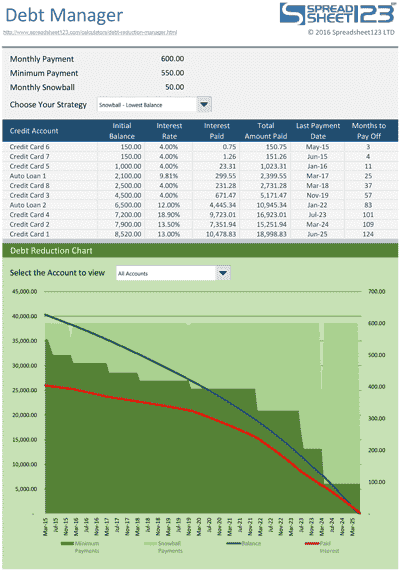
Getting out of debt can feel like climbing a mountain. It's a long, challenging process, and it's easy to lose motivation along the way. That's where a debt payoff spreadsheet comes in. It's not just a collection of numbers; it's a powerful tool that can help you visualize your progress, stay organized, and ultimately achieve your financial goals. A well-designed spreadsheet provides clarity, helping you understand exactly how much you owe, the interest rates you're paying, and how quickly you can become debt-free. It also allows you to test different payoff strategies and see their potential impact on your timeline and overall cost.
Key Features of a Great Debt Payoff Spreadsheet
Not all debt payoff spreadsheets are created equal. The best ones have several key features that make them effective and easy to use. Here's what to look for:
- Clear Organization: The spreadsheet should be easy to read and understand, with clear headings and labels.
- Comprehensive Debt Tracking: It should allow you to input all your debts, including the creditor, balance, interest rate, and minimum payment.
- Payment Strategy Options: The ability to compare different debt payoff strategies, such as the debt snowball or debt avalanche method.
- Automatic Calculations: The spreadsheet should automatically calculate key metrics like total interest paid, payoff date, and monthly payment amounts.
- Visual Progress Tracking: Charts and graphs to visualize your progress and stay motivated.
- Customization: The ability to customize the spreadsheet to fit your specific needs and preferences.
Top Debt Payoff Spreadsheet Templates
Fortunately, you don't have to build a debt payoff spreadsheet from scratch. There are many excellent templates available online, both free and paid. Here are some of the best:
1. The Debt Snowball Spreadsheet
The debt snowball method focuses on paying off your smallest debts first, regardless of their interest rate. This provides quick wins and boosts motivation. A good debt snowball spreadsheet will:
- List your debts from smallest to largest balance.
- Calculate the total amount of interest you'll pay using only the minimum payments.
- Allow you to allocate any extra money towards the smallest debt.
- Automatically update the payoff schedule as you make progress.
Many free templates are available online by searching for "debt snowball spreadsheet template". Look for ones that are easy to use and visually appealing.
2. The Debt Avalanche Spreadsheet
The debt avalanche method prioritizes paying off debts with the highest interest rates first. This saves you the most money in the long run. A debt avalanche spreadsheet should:
- List your debts from highest to lowest interest rate.
- Calculate the total interest paid using only minimum payments.
- Show how much money you save by paying off the high-interest debts first.
- Let you input extra payments to accelerate the payoff process.
Some spreadsheets include a feature where you can input your current monthly income and expenses to determine how much extra money you can put towards debt repayment. This is incredibly helpful for budgeting and planning.
3. Google Sheets Debt Payoff Template
Google Sheets offers a readily accessible and collaborative platform for managing your debt. There are many free templates available within Google Sheets itself. Simply search for "debt payoff" in the template gallery. These templates often include:
- A simple and intuitive interface.
- Easy data entry for debts and payments.
- Automatic calculation of payoff dates and interest paid.
- The ability to share the spreadsheet with a financial advisor or partner.
The advantage of using Google Sheets is its accessibility from any device and its collaborative features. You can easily update the spreadsheet on the go and share it with anyone you need to.
4. Microsoft Excel Debt Reduction Calculator
Microsoft Excel is another powerful tool for creating a debt payoff spreadsheet. While it may require a bit more technical know-how than Google Sheets, Excel offers greater customization options. You can find pre-made templates online, or build your own from scratch. A well-designed Excel spreadsheet can include:
- Advanced formulas for calculating interest accrual and amortization.
- Customizable charts and graphs to visualize your progress.
- The ability to track multiple debt payoff scenarios.
- Integration with other financial planning tools.
Excel is a great option for users who are comfortable with spreadsheets and want more control over the design and functionality.
5. Paid Debt Payoff Spreadsheet Templates
While many free templates are available, paid templates often offer more advanced features and customization options. These templates may include:
- More sophisticated calculations and visualizations.
- Personalized support and guidance.
- Integration with budgeting apps and other financial tools.
- More detailed reports and analysis.
Paid templates can be a good investment if you're serious about getting out of debt and want a more comprehensive solution. Some popular platforms for finding paid templates include Etsy, personal finance blogs, and online marketplaces.
Tips for Using Your Debt Payoff Spreadsheet Effectively
Once you've chosen a debt payoff spreadsheet, it's important to use it effectively to maximize its benefits. Here are some tips:
- Be accurate: Make sure you enter all your debt information correctly, including balances, interest rates, and minimum payments.
- Update regularly: Update the spreadsheet with your payments and any changes to your debt balances.
- Stay consistent: Stick to your debt payoff plan and make consistent progress.
- Celebrate milestones: Acknowledge and celebrate your achievements along the way to stay motivated.
- Review and adjust: Regularly review your progress and adjust your plan as needed. Life happens, and your financial situation may change.
Beyond the Spreadsheet: Other Tools for Debt Management
While a debt payoff spreadsheet is a valuable tool, it's just one piece of the puzzle. Consider using other resources to support your debt management efforts, such as:
- Budgeting apps: Track your income and expenses to identify areas where you can save money and allocate more towards debt repayment.
- Credit counseling: Seek guidance from a certified credit counselor to develop a personalized debt management plan.
- Debt consolidation loans: Consider consolidating your debts into a single loan with a lower interest rate.
Remember, getting out of debt is a journey, not a destination. Be patient, stay focused, and don't give up. With the right tools and strategies, you can achieve your financial goals and live a debt-free life.

0 Comments