
Choosing the Right Bank for Your Small Business
Selecting the right bank for your small business checking account is a crucial decision that can significantly impact your financial management, cash flow, and overall operational efficiency. With numerous banking options available, each offering different features, fees, and benefits, it's essential to carefully evaluate your business needs and compare offerings to find the best fit. This guide will explore some of the top banks for small business checking accounts in 2024, highlighting their key features and helping you make an informed choice.
Factors to Consider When Choosing a Business Bank
Before diving into specific bank recommendations, let's outline the key factors you should consider when choosing a small business checking account:
- Fees: Pay close attention to monthly maintenance fees, transaction fees, ATM fees, and overdraft fees. Look for banks that offer fee waivers based on minimum balance requirements or other criteria.
- Minimum Balance Requirements: Some accounts require a minimum balance to avoid monthly fees or earn interest. Ensure you can consistently meet these requirements.
- Transaction Limits: Understand the number of free transactions allowed per month. Exceeding these limits can result in per-transaction fees.
- Online and Mobile Banking: A robust online and mobile banking platform is essential for managing your finances efficiently. Look for features like online bill pay, mobile check deposit, and account alerts.
- ATM Access: Consider the availability of ATMs, both in-network and out-of-network. A large ATM network can save you money on ATM fees.
- Interest Rates: While most business checking accounts don't offer high interest rates, some do offer a small amount of interest. Compare interest rates if this is a priority for you.
- Integration with Accounting Software: Seamless integration with popular accounting software like QuickBooks or Xero can streamline your bookkeeping and financial reporting.
- Customer Service: Choose a bank with responsive and helpful customer service. Read reviews and consider contacting customer service to assess their responsiveness.
- Additional Services: Consider other banking services your business may need, such as business loans, credit cards, merchant services, and payroll services.
Top Banks for Small Business Checking Accounts
Here are some of the best banks for small business checking accounts in 2024, based on their features, fees, and overall value:
Chase Business Complete Banking
Chase Business Complete Banking is a popular choice for small businesses, offering a blend of features and accessibility. It's especially good for businesses that handle a lot of cash deposits, due to Chase's extensive branch network.
- Key Features: Unlimited electronic deposits, Chase QuickAccept for fast payment processing, fraud protection, and integration with Chase's suite of business services.
- Fees: Monthly service fee that can be waived by maintaining a minimum daily balance or meeting other requirements. Transaction fees may apply after exceeding the monthly limit.
- Pros: Extensive branch network, robust online and mobile banking, access to Chase's other business services.
- Cons: Fees can be high if you don't meet the waiver requirements.
Bank of America Business Advantage Banking
Bank of America Business Advantage Banking offers two different tiers to suit varying business needs. The Relationship Banking option is suitable for businesses with higher balances, while the Fundamentals Banking is better for smaller businesses.
- Key Features: Online and mobile banking, cash flow management tools, integration with QuickBooks, and access to Bank of America's other business services.
- Fees: Monthly maintenance fees that can be waived by maintaining a minimum balance or meeting other requirements.
- Pros: Wide range of services, established reputation, and convenient online and mobile banking.
- Cons: Fees can be relatively high compared to online-only banks.
U.S. Bank Silver Business Checking Package
U.S. Bank's Silver Business Checking Package offers a competitive option for small businesses. It provides a good balance of features and affordability.
- Key Features: Online and mobile banking, access to U.S. Bank's business services, and a debit card with rewards.
- Fees: Monthly maintenance fee that can be waived by meeting balance requirements or other criteria.
- Pros: Competitive fees, decent branch network, and a variety of business services.
- Cons: May not be available in all states.
Bluevine Business Checking
Bluevine is an online-only bank that offers a compelling business checking account with no monthly fees and the opportunity to earn interest on your balance. It's a great option for businesses that primarily operate online.
- Key Features: No monthly fees, interest-bearing checking account, unlimited transactions, and integration with popular accounting software.
- Fees: No monthly fees, no ATM fees at MoneyPass ATMs.
- Pros: No monthly fees, interest-bearing, user-friendly online platform.
- Cons: No physical branches, cash deposits can be limited.
Novo Business Checking
Novo is another popular online-only banking option designed specifically for small businesses and freelancers. It focuses on simplicity and ease of use.
- Key Features: No monthly fees, no minimum balance requirements, integration with popular business tools, and a virtual card for online purchases.
- Fees: No monthly fees, no hidden fees.
- Pros: No fees, easy to use, and good integration with other business tools.
- Cons: No physical branches, limited cash deposit options.
Lili Banking for Freelancers
Lili is specifically designed for freelancers and independent contractors. It offers a business checking account with features tailored to the needs of self-employed individuals.
- Key Features: Expense tracking, tax savings tools, and a debit card with cashback rewards.
- Fees: Basic plan is free, with paid plans offering additional features.
- Pros: Designed for freelancers, expense tracking features, and tax savings tools.
- Cons: Limited features compared to some other business checking accounts.
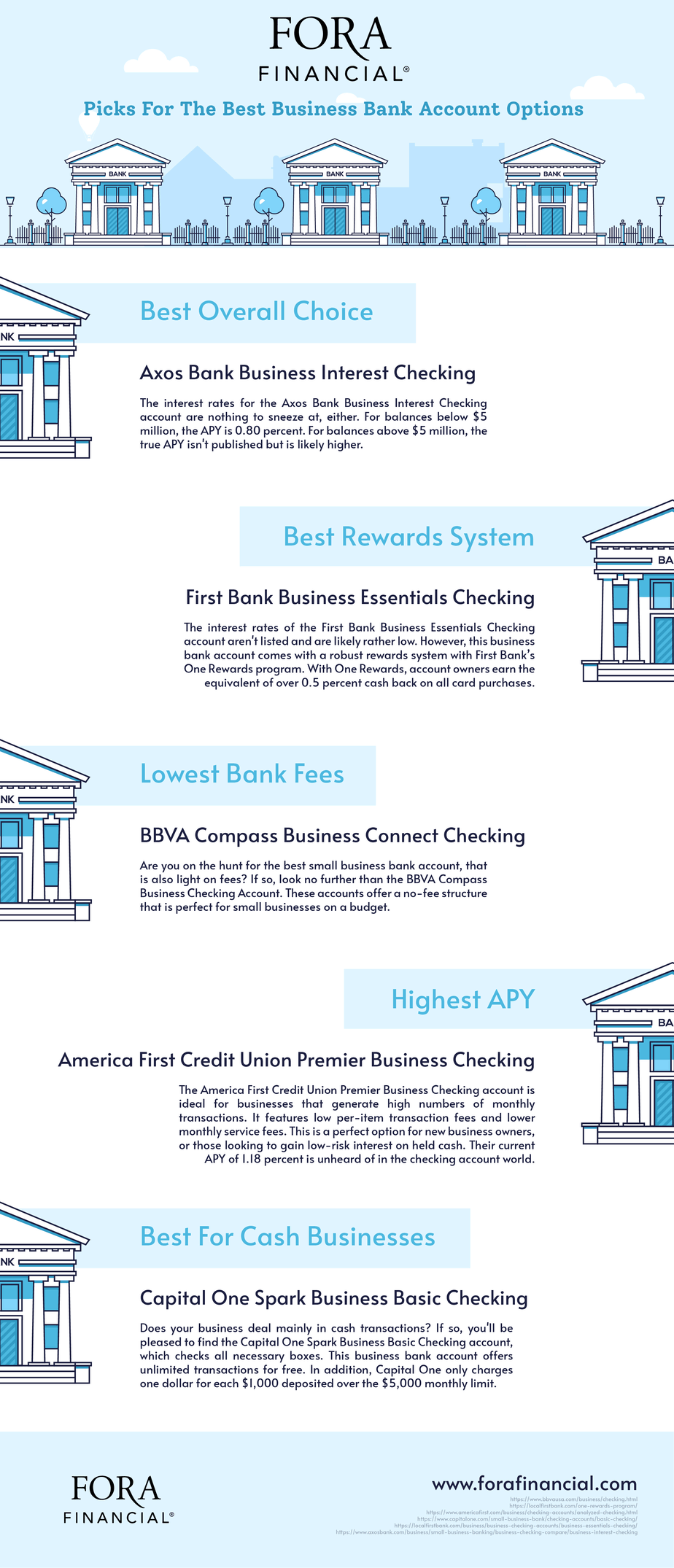
Capital One Spark Business Checking
Capital One Spark Business Checking is a solid option that offers a good combination of features and benefits. While Capital One is phasing out some of its Spark products, the checking account remains a viable choice.
- Key Features: No transaction fees, online and mobile banking, and access to Capital One's other business services.
- Fees: Monthly maintenance fee that can be waived by maintaining a minimum balance.
- Pros: No transaction fees, user-friendly online platform, and access to Capital One's business credit cards.
- Cons: Limited branch network compared to larger banks.
Opening a Business Checking Account: What You'll Need
Before you can open a business checking account, you'll typically need to provide the following information and documents:
- Employer Identification Number (EIN): If your business is an LLC, corporation, or partnership, you'll need your EIN.
- Business License: Depending on your business type and location, you may need to provide a business license.
- Articles of Incorporation or Organization: If your business is an LLC or corporation, you'll need to provide your articles of incorporation or organization.
- Operating Agreement: If your business is an LLC, you may need to provide your operating agreement.
- Personal Identification: You'll need to provide personal identification, such as a driver's license or passport, for all authorized signers on the account.
- Initial Deposit: Be prepared to make an initial deposit to open the account.
It's always best to check with the specific bank you're interested in to confirm their exact requirements.

0 Comments