
Introduction to the Metaverse and its Potential
The Metaverse, a persistent, shared, 3D virtual world, is rapidly evolving from a futuristic concept to a tangible reality. It blends physical and digital life, allowing users to interact, work, play, and transact within these immersive environments. The rise of the Metaverse is poised to significantly impact the digital economy, reshaping industries and creating new opportunities and challenges.
The Metaverse as a New Economic Frontier
The Metaverse represents a new frontier for economic activity. It's not just about gaming or social interaction; it's about creating a parallel digital economy where value is created, exchanged, and consumed. This economy is fueled by virtual assets, digital identities, and decentralized technologies like blockchain.
Virtual Real Estate and Land Ownership
One of the most prominent aspects of the Metaverse economy is virtual real estate. Platforms like Decentraland and The Sandbox allow users to purchase, develop, and trade virtual land. These digital plots can be used for various purposes, including hosting virtual events, building virtual storefronts, and creating immersive experiences. The value of these virtual assets is driven by supply and demand, location, and the potential for future development.
Digital Assets and NFTs
Non-fungible tokens (NFTs) play a crucial role in the Metaverse economy. They provide a way to represent ownership of unique digital assets, such as art, music, collectibles, and virtual items. NFTs enable creators to monetize their work directly and allow users to own and trade these assets within the Metaverse. This has opened up new avenues for artists, musicians, and other creators to connect with their audience and generate revenue.
The Creator Economy in the Metaverse
The Metaverse is fostering a thriving creator economy. Individuals can create and sell virtual goods, services, and experiences within these digital worlds. This includes designing avatars, creating virtual clothing, building interactive environments, and offering virtual services such as tutoring or consulting. The Metaverse provides a platform for creators to monetize their skills and talents, bypassing traditional gatekeepers and intermediaries.
Impact on Traditional Industries
The Metaverse is not only creating new economic opportunities but also disrupting traditional industries. Businesses across various sectors are exploring ways to leverage the Metaverse to enhance their operations, reach new customers, and create innovative products and services.
Retail and E-commerce
The Metaverse offers new possibilities for retail and e-commerce. Brands can create virtual storefronts where customers can browse and purchase products in a more immersive and engaging way. Virtual try-on experiences, interactive product demonstrations, and personalized shopping experiences can enhance the customer journey and drive sales. This also allows for a global reach, transcending geographical limitations of physical stores.
Entertainment and Media
The entertainment and media industries are being transformed by the Metaverse. Virtual concerts, live events, and interactive storytelling experiences are becoming increasingly popular. The Metaverse allows artists to connect with their fans in new and meaningful ways, creating immersive and personalized experiences. This also opens up new revenue streams for content creators and entertainment companies.
Education and Training
The Metaverse has the potential to revolutionize education and training. Immersive learning environments can provide students with hands-on experience and personalized instruction. Virtual simulations can be used to train professionals in various fields, such as medicine, engineering, and aviation. The Metaverse can make learning more engaging, accessible, and effective.
Manufacturing and Engineering
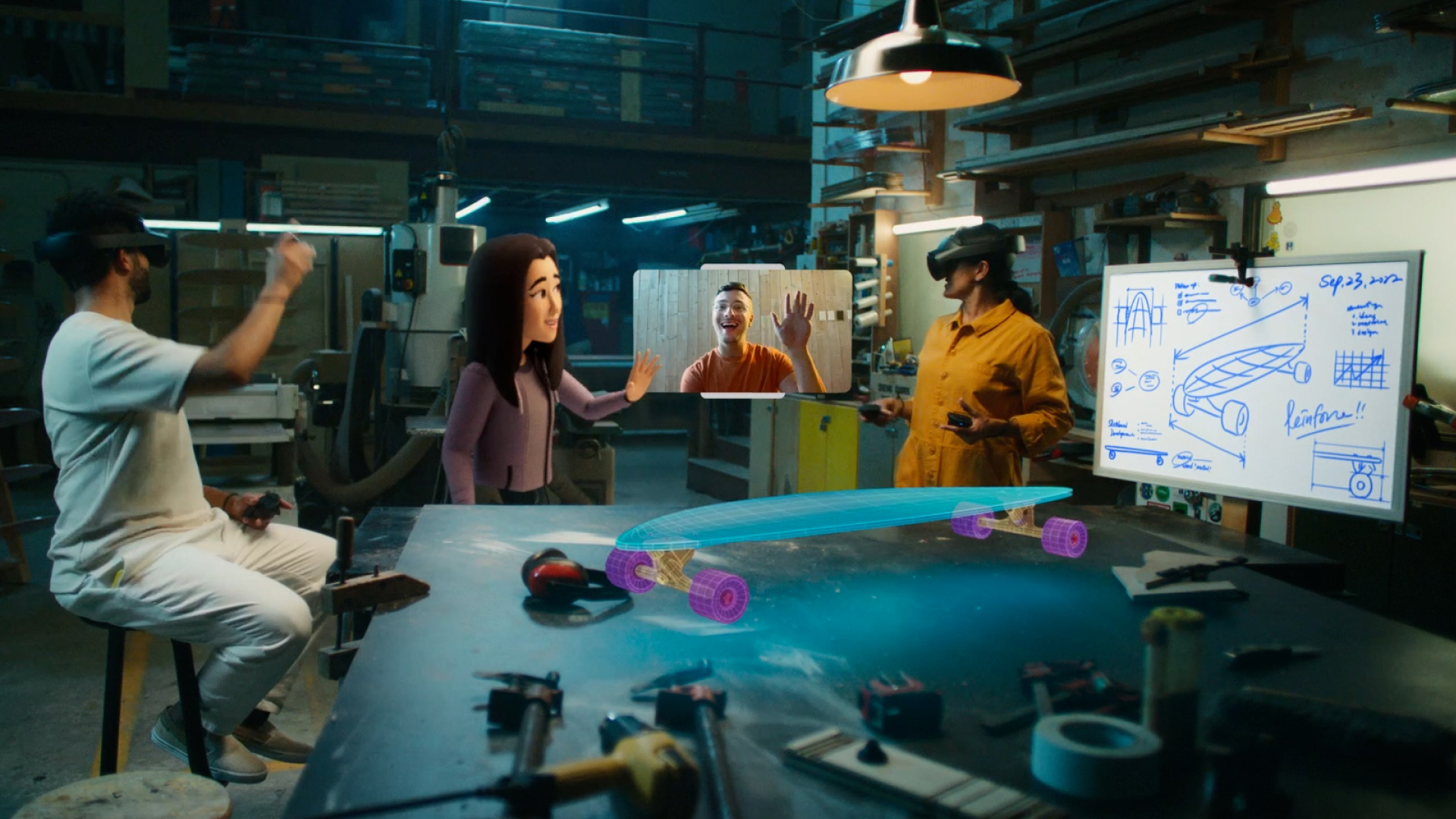
The manufacturing and engineering industries can benefit from the Metaverse through virtual prototyping and simulations. Engineers can collaborate on designs in a virtual environment, identify potential problems, and test solutions before physical prototypes are built. This can save time, reduce costs, and improve the quality of products.
Challenges and Considerations
While the Metaverse offers immense potential, it also presents several challenges and considerations that need to be addressed.
Security and Privacy
Security and privacy are paramount in the Metaverse. Protecting user data, preventing identity theft, and ensuring the integrity of virtual assets are crucial. Robust security measures and privacy policies are needed to build trust and confidence in the Metaverse.
Accessibility and Inclusivity
Ensuring that the Metaverse is accessible and inclusive to all is essential. Overcoming technical barriers, such as the cost of virtual reality headsets and the availability of high-speed internet, is crucial. Creating diverse and inclusive virtual environments that cater to the needs of all users is also important.
Regulation and Governance
The Metaverse requires a clear regulatory framework and governance structure. Issues such as intellectual property rights, virtual asset ownership, and consumer protection need to be addressed. Collaboration between governments, industry stakeholders, and users is essential to create a fair and sustainable Metaverse ecosystem.
Scalability and Interoperability
Scaling the Metaverse to accommodate a large number of users and ensuring interoperability between different platforms are significant challenges. Developing standardized protocols and technologies that allow users to seamlessly move between different virtual worlds is crucial for the long-term success of the Metaverse.
The Future of the Metaverse and the Digital Economy
The Metaverse is still in its early stages of development, but its potential to transform the digital economy is undeniable. As technology advances and more users embrace virtual worlds, the Metaverse will become an increasingly important part of our lives. Businesses and individuals who understand the potential of the Metaverse and adapt to its changing landscape will be well-positioned to succeed in the future.

0 Comments