
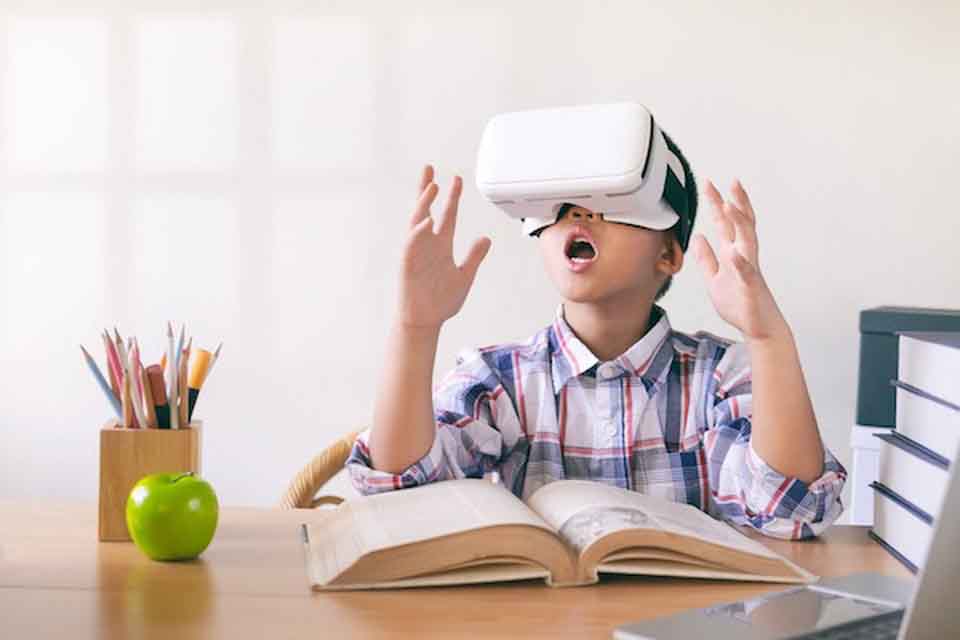
The Rise of Virtual Reality in Training and Education
Virtual Reality (VR) is rapidly transforming various sectors, and training and education are no exception. By creating immersive and interactive environments, VR offers unique opportunities to enhance learning outcomes, improve engagement, and provide cost-effective training solutions. This article delves into the impact of VR on training and education, exploring its benefits, challenges, and potential future applications.
Benefits of Virtual Reality in Training and Education
VR's ability to simulate real-world scenarios and provide hands-on experiences offers significant advantages over traditional training methods. These benefits include:
Enhanced Engagement and Motivation
Traditional lectures and textbooks can often be passive learning experiences. VR, on the other hand, actively engages learners by immersing them in a virtual environment. This heightened engagement leads to increased motivation and a greater willingness to learn. The interactive nature of VR allows learners to explore, experiment, and make mistakes in a safe and controlled environment, fostering a deeper understanding of the subject matter.
Improved Knowledge Retention
Learning by doing is a well-established principle of effective education. VR facilitates this by providing opportunities for experiential learning. When learners actively participate in a virtual simulation, they are more likely to retain the information and skills learned. The immersive nature of VR creates a stronger connection between the learner and the content, leading to better knowledge retention compared to passive learning methods.
Safe and Cost-Effective Training
VR is particularly valuable for training in high-risk or expensive environments. For example, surgeons can practice complex procedures in a virtual operating room without risking patient safety. Similarly, pilots can hone their skills in a flight simulator, reducing the cost and risk associated with real-world training. VR allows organizations to provide realistic training experiences without the need for expensive equipment or potentially dangerous situations.
Personalized Learning Experiences
VR can be tailored to meet the individual needs of each learner. By tracking performance and providing personalized feedback, VR systems can adapt to the learner's pace and learning style. This personalized approach ensures that each learner receives the support and guidance they need to succeed. Furthermore, VR can provide customized learning paths based on the learner's strengths and weaknesses, maximizing the effectiveness of the training.
Accessibility and Scalability
VR training can be accessed from anywhere in the world, making it a highly scalable solution for organizations with geographically dispersed workforces. Learners can participate in training sessions remotely, eliminating the need for travel and reducing training costs. This accessibility also makes VR a valuable tool for individuals with disabilities who may find it difficult to participate in traditional training programs.
Applications of Virtual Reality in Training and Education
The applications of VR in training and education are vast and continue to expand as the technology evolves. Some key areas where VR is making a significant impact include:
Medical Training
VR is revolutionizing medical training by providing realistic simulations of surgical procedures, patient interactions, and emergency scenarios. Medical students and practicing physicians can use VR to hone their skills, improve their decision-making abilities, and reduce the risk of medical errors. VR simulations can also be used to train healthcare professionals on rare or complex medical conditions that they may not encounter in their daily practice.
Engineering and Manufacturing Training
VR is used in engineering and manufacturing to train workers on complex machinery, assembly processes, and safety procedures. By simulating real-world manufacturing environments, VR allows workers to practice their skills without the risk of damaging equipment or injuring themselves. VR can also be used to train engineers on the design and maintenance of complex systems.
Military and Law Enforcement Training
The military and law enforcement agencies are using VR to train personnel on combat tactics, weapons handling, and crisis management. VR simulations can provide realistic and immersive training experiences that prepare personnel for the challenges of real-world situations. VR can also be used to train law enforcement officers on de-escalation techniques and the proper use of force.
Education at All Levels
From elementary schools to universities, VR is being used to enhance learning across a wide range of subjects. Students can use VR to explore historical sites, visit distant planets, and conduct virtual experiments. VR can make learning more engaging and memorable, helping students to develop a deeper understanding of the subject matter. VR is also being used to create immersive learning experiences for students with disabilities.
Corporate Training
Companies are leveraging VR to train employees on a variety of topics, including customer service, sales techniques, and safety procedures. VR simulations can provide realistic and engaging training experiences that improve employee performance and reduce the risk of workplace accidents. VR can also be used to train employees on new software applications and technologies.
Challenges of Implementing Virtual Reality in Training and Education
While VR offers numerous benefits, there are also challenges associated with its implementation. These challenges include:
Cost
The initial cost of VR hardware and software can be a barrier for some organizations. VR headsets, computers, and software development can be expensive. However, the long-term cost benefits of VR, such as reduced training costs and improved employee performance, can outweigh the initial investment.
Technical Expertise
Developing and implementing VR training programs requires technical expertise. Organizations may need to hire or train staff to create and maintain VR content. This can be a challenge for organizations that lack the necessary technical resources. However, there are a growing number of VR development companies that can provide support and assistance.
Motion Sickness
Some users may experience motion sickness when using VR headsets. This can be a barrier to adoption for some individuals. However, advancements in VR technology are reducing the incidence of motion sickness. It is also important to provide users with breaks and to adjust the VR settings to minimize discomfort.
Integration with Existing Systems
Integrating VR training programs with existing learning management systems (LMS) and other training infrastructure can be a challenge. Organizations need to ensure that VR content is compatible with their existing systems and that data from VR training sessions can be tracked and analyzed. This requires careful planning and coordination.
Accessibility Concerns
While VR aims to improve accessibility, ensuring VR experiences are accessible to all learners, including those with disabilities, is crucial. Considerations include providing alternative input methods, customizable interfaces, and audio descriptions for visual elements.

0 Comments