
Introduction to Big Data Analytics and Business Decision Making
In today's rapidly evolving business landscape, data is king. Organizations are generating massive amounts of data every day, from customer interactions and sales transactions to social media activity and sensor readings. This vast ocean of information, often referred to as "big data," holds immense potential for businesses seeking to gain a competitive edge. However, raw data alone is not enough. It's the ability to analyze and interpret this data effectively that unlocks its true value and transforms it into actionable insights.
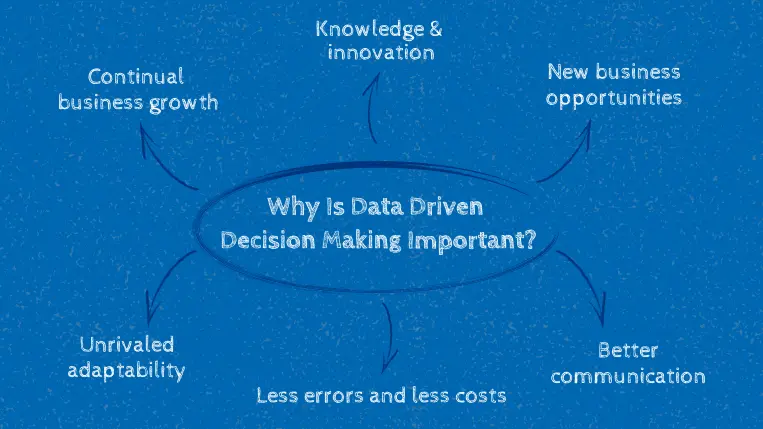
Big data analytics involves the process of examining large and complex datasets to uncover hidden patterns, correlations, market trends, and customer preferences. By applying sophisticated statistical techniques, machine learning algorithms, and data visualization tools, businesses can extract meaningful information that can inform and improve their decision-making processes. This data-driven approach empowers organizations to move beyond intuition and guesswork, making strategic choices based on concrete evidence and predictive analysis.
The Transformative Impact of Big Data Analytics
The impact of big data analytics on business decisions is profound and far-reaching, affecting virtually every aspect of an organization's operations. Here are some key areas where big data analytics is making a significant difference:
Enhanced Customer Understanding
Big data analytics enables businesses to gain a deeper and more comprehensive understanding of their customers. By analyzing customer data from various sources, such as website activity, purchase history, social media interactions, and customer service interactions, businesses can create detailed customer profiles that capture their preferences, behaviors, and needs. This granular level of customer insight allows businesses to personalize their marketing campaigns, tailor their product offerings, and improve customer service, ultimately leading to increased customer satisfaction and loyalty.
For example, a retailer can use big data analytics to identify customers who are likely to purchase a particular product based on their past browsing history and purchase patterns. The retailer can then target these customers with personalized promotions and recommendations, increasing the likelihood of a sale.
Improved Operational Efficiency
Big data analytics can help businesses optimize their operations and improve efficiency by identifying bottlenecks, streamlining processes, and reducing waste. By analyzing data from various operational systems, such as manufacturing processes, supply chain logistics, and inventory management, businesses can gain insights into areas where improvements can be made.
For instance, a manufacturing company can use big data analytics to monitor the performance of its equipment and identify potential maintenance issues before they lead to costly downtime. By proactively addressing these issues, the company can minimize disruptions to production and improve overall efficiency.
Data-Driven Marketing and Sales Strategies
Big data analytics is revolutionizing marketing and sales by providing businesses with the ability to target the right customers with the right message at the right time. By analyzing customer data and market trends, businesses can develop more effective marketing campaigns, optimize their pricing strategies, and improve their sales forecasting accuracy.
Consider a company launching a new product. Using big data analytics, they can identify the target audience most likely to be interested in the product, craft tailored marketing messages that resonate with this audience, and distribute these messages through the most effective channels. This targeted approach maximizes the impact of their marketing efforts and increases the likelihood of a successful product launch.
Risk Management and Fraud Detection
Big data analytics plays a crucial role in risk management and fraud detection by enabling businesses to identify and mitigate potential risks before they materialize. By analyzing large datasets of financial transactions, security logs, and other relevant information, businesses can detect suspicious patterns and anomalies that may indicate fraudulent activity or other security threats.
For example, a bank can use big data analytics to monitor credit card transactions for unusual spending patterns that may indicate fraud. By identifying and blocking fraudulent transactions in real-time, the bank can protect its customers and minimize its financial losses.
Innovation and Product Development
Big data analytics can fuel innovation and drive product development by providing businesses with valuable insights into customer needs and market trends. By analyzing customer feedback, social media conversations, and market research data, businesses can identify unmet needs and develop new products and services that address these needs.
Imagine a software company developing a new mobile app. By analyzing user feedback and usage data from existing apps, they can identify features that users are demanding and develop a new app that incorporates these features. This data-driven approach increases the likelihood of developing a successful app that meets the needs of its target audience.
Examples of Big Data Analytics in Action
Numerous companies across various industries are already leveraging big data analytics to improve their business decisions. Here are a few examples:
Netflix: Personalized Recommendations
Netflix uses big data analytics to analyze viewing habits and preferences of its subscribers, providing personalized recommendations that keep them engaged and coming back for more. This data-driven approach has been instrumental in Netflix's success in attracting and retaining a large subscriber base.
Amazon: Supply Chain Optimization
Amazon uses big data analytics to optimize its supply chain, predict demand, and ensure timely delivery of products to its customers. By analyzing data from various sources, such as sales transactions, inventory levels, and weather patterns, Amazon can anticipate demand fluctuations and adjust its supply chain accordingly.
Healthcare Providers: Improved Patient Care
Healthcare providers are using big data analytics to improve patient care, predict disease outbreaks, and reduce healthcare costs. By analyzing patient data, such as medical records, lab results, and imaging scans, healthcare providers can identify patterns and trends that may indicate potential health risks and develop personalized treatment plans.
Challenges and Considerations
While the benefits of big data analytics are undeniable, there are also several challenges and considerations that businesses need to address:
Data Quality and Accuracy
The accuracy and reliability of data are crucial for effective big data analytics. Businesses need to ensure that their data is clean, consistent, and accurate before using it for analysis. Data quality issues can lead to inaccurate insights and flawed decision-making.
Data Security and Privacy
Protecting the security and privacy of sensitive data is paramount. Businesses need to implement robust security measures to prevent unauthorized access and data breaches. They also need to comply with data privacy regulations, such as GDPR and CCPA.
Skills Gap
There is a shortage of skilled data scientists and analysts who can effectively analyze and interpret big data. Businesses need to invest in training and development programs to build their internal data analytics capabilities or partner with external experts.
Cost and Complexity
Implementing big data analytics solutions can be expensive and complex. Businesses need to carefully evaluate the costs and benefits before investing in big data technologies and infrastructure.
Future Trends in Big Data Analytics
The field of big data analytics is constantly evolving, with new technologies and techniques emerging all the time. Some of the key trends to watch out for include:
Artificial Intelligence (AI) and Machine Learning (ML)
AI and ML are becoming increasingly integrated with big data analytics, enabling businesses to automate tasks, improve predictive accuracy, and gain deeper insights from their data.
Cloud Computing
Cloud computing platforms provide scalable and cost-effective infrastructure for storing and processing large datasets, making big data analytics more accessible to businesses of all sizes.
Edge Computing
Edge computing involves processing data closer to the source, reducing latency and improving real-time decision-making. This is particularly relevant for applications such as autonomous vehicles and industrial automation.
Data Visualization
Data visualization tools are becoming more sophisticated, enabling businesses to communicate complex insights in a clear and intuitive way.

0 Comments