
Understanding the Shifting Sands of Consumer Spending
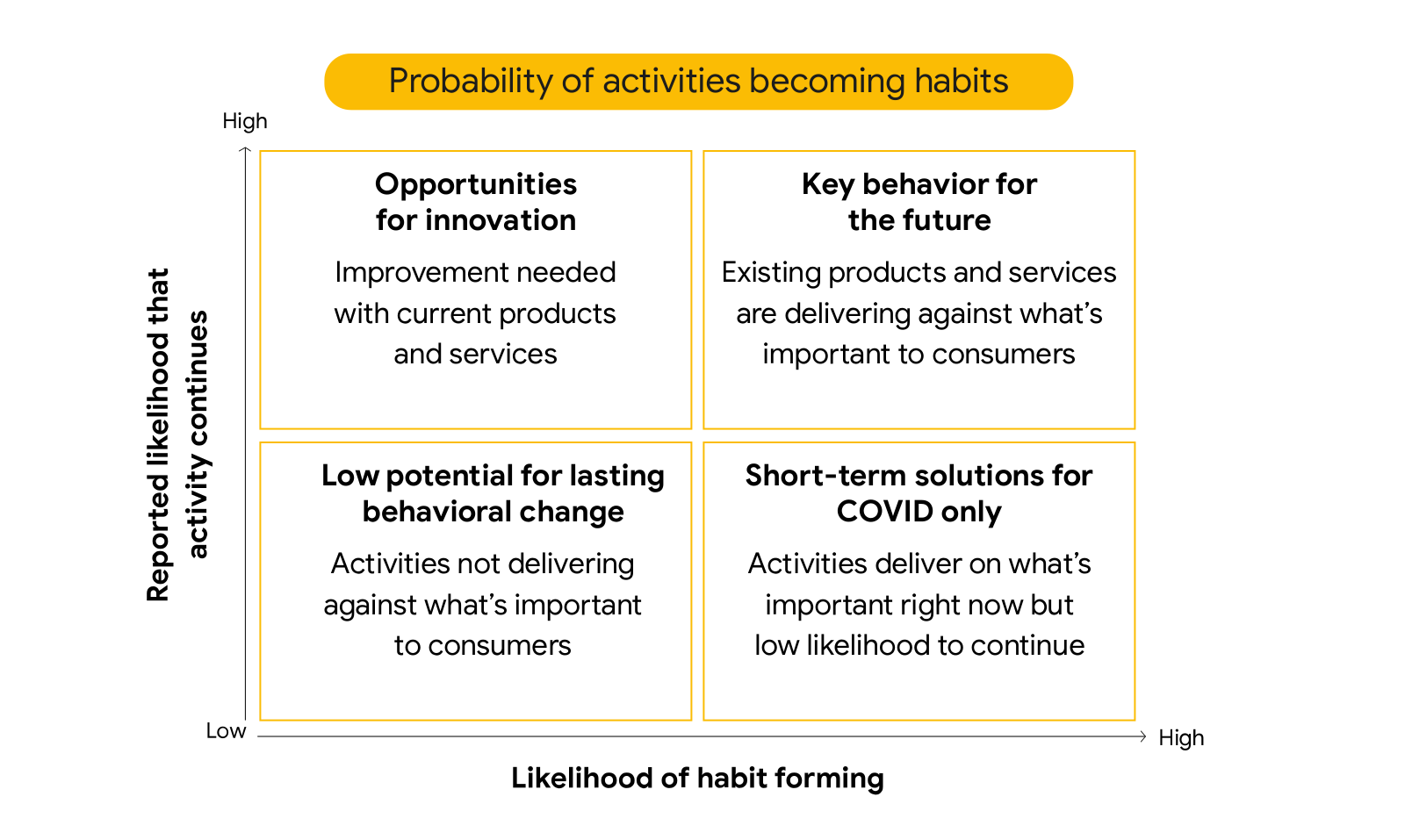
The COVID-19 pandemic brought about unprecedented changes in virtually every aspect of life, and consumer spending was no exception. Lockdowns, economic uncertainty, and shifts in priorities fundamentally altered how people spent their money. As the world gradually emerges from the pandemic, understanding these changes and analyzing new consumer spending habits is crucial for businesses to adapt and thrive.
The Rise of E-commerce and Digital Spending
One of the most significant and lasting impacts of the pandemic is the acceleration of e-commerce adoption. With physical stores closed or operating at limited capacity, consumers flocked to online platforms for everything from groceries to clothing to entertainment. This shift has led to a permanent increase in digital spending, and businesses must prioritize their online presence to capture this growing market share.
The Convenience Factor
The convenience of online shopping, including the ability to compare prices, read reviews, and have products delivered directly to their doorsteps, has become a major draw for consumers. Even as physical stores reopen, many consumers are sticking with online shopping due to its ease and efficiency.
Investing in Digital Infrastructure
Businesses need to invest in robust e-commerce platforms, user-friendly websites, and efficient delivery systems to meet the demands of the modern digital consumer. Ignoring this shift could lead to significant losses in revenue and market share.
Experiences Over Things: A Renewed Focus on Travel and Leisure
After months of lockdowns and restrictions, many consumers are prioritizing experiences over material possessions. This has led to a surge in spending on travel, entertainment, and leisure activities. People are eager to reconnect with loved ones, explore new places, and make up for lost time.
The "Revenge Travel" Phenomenon
The term "revenge travel" has been coined to describe the pent-up demand for travel and the willingness of consumers to spend more on trips and vacations. This trend is particularly strong among younger generations who prioritize experiences and adventure.
Supporting Local Businesses and Tourism
Consumers are also increasingly interested in supporting local businesses and tourism. They are actively seeking out unique experiences and authentic cultural offerings, which benefits smaller businesses and communities.
The Impact of Inflation and Economic Uncertainty
While some consumers are eager to spend on experiences, the rising cost of living and ongoing economic uncertainty are also influencing spending habits. Inflation, supply chain disruptions, and concerns about job security are causing many consumers to become more cautious and price-sensitive.
Trading Down and Seeking Value
Many consumers are trading down to cheaper brands, seeking out discounts and promotions, and cutting back on non-essential purchases. This trend is particularly evident in grocery shopping, where consumers are opting for store brands and generic products to save money.
The Importance of Price Transparency
Businesses need to be transparent about their pricing and offer competitive value to attract budget-conscious consumers. Loyalty programs, discounts, and other incentives can help retain customers and encourage spending.
The Growing Demand for Sustainable and Ethical Products
Consumers are becoming increasingly aware of the environmental and social impact of their purchasing decisions. This has led to a growing demand for sustainable and ethical products, including those made from recycled materials, produced using fair labor practices, and packaged with minimal waste.
The Rise of Conscious Consumerism
Conscious consumerism is no longer a niche trend but a mainstream movement. Consumers are actively seeking out brands that align with their values and are willing to pay a premium for products that are environmentally friendly and socially responsible.
Transparency and Authenticity are Key
Businesses need to be transparent about their sustainability efforts and demonstrate a genuine commitment to ethical practices. Greenwashing and misleading marketing tactics can backfire and damage a brand's reputation.
Health and Wellness: A Continued Priority
The pandemic has heightened awareness of health and wellness, and consumers are continuing to prioritize these areas in their spending. This includes investing in healthy foods, fitness equipment, mental health services, and preventative care.
The Growth of the Wellness Industry
The wellness industry is booming, with consumers spending billions of dollars on products and services that promote physical and mental well-being. This includes everything from organic foods and supplements to yoga classes and meditation apps.
Personalized and Preventative Healthcare
Consumers are also increasingly interested in personalized and preventative healthcare. They are seeking out technologies and services that allow them to monitor their health, track their fitness progress, and receive customized recommendations.
The Future of Consumer Spending: Adapting to a New Normal
Consumer spending habits have undergone a significant transformation in the wake of the pandemic, and businesses must adapt to this new normal to succeed. This requires understanding the key trends, investing in digital infrastructure, offering competitive value, and prioritizing sustainability and ethical practices. By focusing on the needs and values of the modern consumer, businesses can build strong relationships, foster loyalty, and drive long-term growth.

0 Comments