
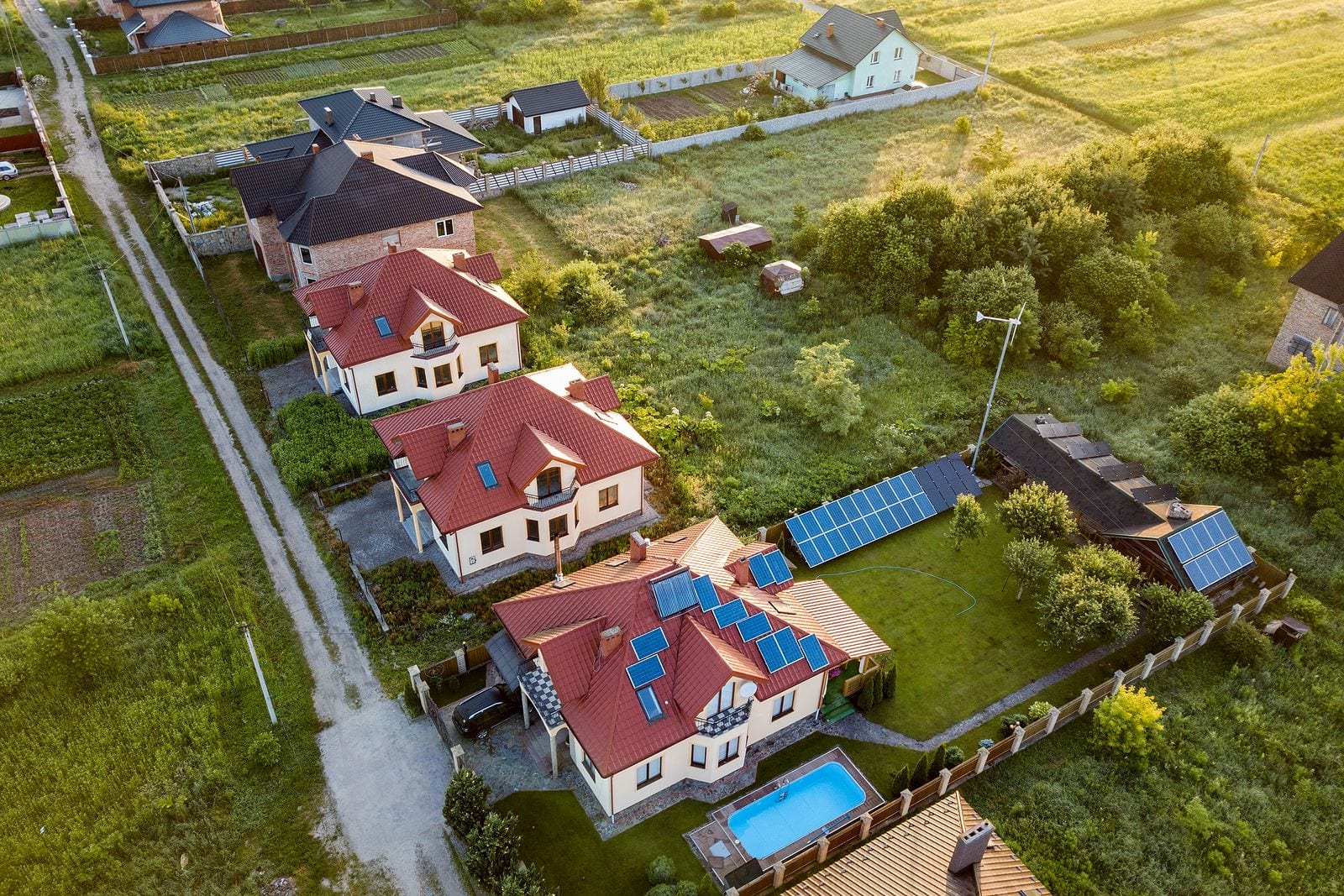
Why Consider Rural Real Estate Investing?
Real estate investing often conjures images of bustling city centers and luxury condos. However, a growing number of investors are discovering the untapped potential and unique advantages of investing in rural areas. Rural real estate, encompassing everything from farmland and ranches to small-town homes and recreational properties, offers a different landscape of opportunity, often with less competition and potentially higher returns in the long run.
Advantages of Investing in Rural Properties
Investing in rural real estate presents several compelling benefits that can make it an attractive option for both seasoned and novice investors:
Lower Acquisition Costs
One of the most significant advantages is the lower cost of entry. Land and properties in rural areas are typically more affordable than their urban counterparts. This allows investors to acquire larger parcels of land or multiple properties with the same investment capital. The lower initial investment also reduces the overall financial risk.
Potential for Appreciation
While rural markets may not experience the rapid price surges seen in some urban areas, they often offer steady and sustainable appreciation. Factors such as population shifts, infrastructure improvements, and increased demand for recreational properties can drive up property values over time. The long-term growth potential can be substantial, especially if you identify areas poised for development.
Diverse Investment Opportunities
Rural real estate encompasses a wide range of investment options, catering to different risk tolerances and investment goals. You can invest in:
- Farmland: Generating income through crop production or leasing to farmers.
- Timberland: Harvesting timber for profit or managing the land for conservation.
- Recreational Properties: Owning cabins, hunting lodges, or waterfront properties for rental income or personal use.
- Residential Properties: Buying and renovating homes in small towns for resale or rental.
- Commercial Properties: Investing in small businesses, retail spaces, or storage facilities in rural communities.
Rental Income Potential
Rural areas often have a strong demand for rental properties, particularly from seasonal workers, tourists, and individuals seeking a quieter lifestyle. Owning a rental property in a rural area can provide a steady stream of income, helping to offset mortgage payments and generate positive cash flow. Consider the local job market and tourism patterns when evaluating rental potential.
Tax Benefits
Investing in real estate, in general, offers various tax advantages, and rural properties are no exception. You may be able to deduct mortgage interest, property taxes, and depreciation expenses. Additionally, certain rural development programs offer tax incentives to encourage investment in underserved areas. Consult with a tax professional to understand the specific benefits available to you.
Challenges of Investing in Rural Properties
While rural real estate offers numerous advantages, it's crucial to be aware of the potential challenges:
Limited Market Liquidity
Rural real estate markets are typically less liquid than urban markets, meaning it may take longer to sell a property. This can be a concern if you need to access your capital quickly. It's essential to have a long-term investment horizon and be prepared to hold the property for an extended period.
Financing Difficulties
Securing financing for rural properties can sometimes be more challenging than for urban properties. Lenders may be more hesitant to finance properties in remote locations or with unique characteristics, such as farmland or timberland. It's important to shop around for lenders who specialize in rural real estate financing and be prepared to provide a detailed business plan.
Infrastructure Limitations
Rural areas may have limited infrastructure, such as access to high-speed internet, reliable utilities, and quality healthcare. This can impact property values and rental demand. It's crucial to assess the infrastructure in the area before investing and consider the potential costs of improvements.
Property Management Challenges
Managing a property in a rural area can be more challenging than managing a property in a city. You may need to hire a local property manager or travel frequently to oversee maintenance and repairs. Consider the costs and logistics of property management when evaluating potential investments.
Environmental Regulations
Rural properties may be subject to stricter environmental regulations, particularly if they are located near wetlands, endangered species habitats, or other sensitive areas. It's essential to conduct thorough due diligence to ensure that the property complies with all applicable regulations and to avoid potential environmental liabilities.
Tips for Successful Rural Real Estate Investing
To maximize your chances of success in rural real estate investing, consider the following tips:
Conduct Thorough Due Diligence
Before investing in any rural property, it's crucial to conduct thorough due diligence. This includes:
- Property Inspection: Hire a qualified inspector to assess the condition of the property and identify any potential issues.
- Title Search: Ensure that the title is clear and free of any encumbrances.
- Environmental Assessment: Evaluate the property for any environmental hazards or regulatory issues.
- Market Analysis: Research the local market to understand property values, rental rates, and demand.
Network with Local Experts
Connect with local real estate agents, property managers, contractors, and other professionals who have experience in the rural market. They can provide valuable insights and guidance.
Develop a Detailed Business Plan
Create a comprehensive business plan that outlines your investment goals, financing strategy, and exit strategy. This will help you stay focused and make informed decisions.
Focus on Value-Add Opportunities
Look for properties with the potential for value-add improvements, such as renovations, expansions, or land development. This can increase the property's value and rental income.
Be Patient and Persistent
Rural real estate investing requires patience and persistence. It may take time to find the right property and navigate the complexities of the market. Don't get discouraged if you encounter challenges along the way.
Identifying Promising Rural Markets
Choosing the right location is paramount to success. Look for areas with:
Growing Population
Areas experiencing population growth often indicate a healthy economy and increasing demand for housing and other services.
Strong Local Economy
A diverse and stable local economy reduces the risk of economic downturns impacting property values.
Tourism Potential
Areas with natural attractions or recreational opportunities can attract tourists and generate rental income.
Proximity to Urban Centers
Rural areas within commuting distance of urban centers can offer a balance of affordability and accessibility.
Infrastructure Improvements
Areas with planned or ongoing infrastructure improvements, such as new roads or internet upgrades, can experience increased property values.

0 Comments