
Introduction: Navigating the World of Insurance
Insurance is a crucial aspect of financial planning, offering protection against unforeseen events that can lead to significant financial losses. However, the world of insurance can seem complex and overwhelming, with a wide variety of policies available. Understanding the different types of insurance policies is essential to making informed decisions and ensuring you have adequate coverage for your specific needs and circumstances. This article will explore some of the most common types of insurance, helping you navigate this important area of personal and business finance.
Health Insurance: Protecting Your Well-being
Health insurance is designed to cover medical expenses, including doctor visits, hospital stays, prescription drugs, and other healthcare services. It's one of the most vital types of insurance, as unexpected medical costs can quickly deplete savings and lead to debt. There are various types of health insurance plans available, each with its own features and benefits.
Types of Health Insurance Plans
Several types of health insurance plans cater to diverse needs and budgets. Here are some of the most common:
- Health Maintenance Organizations (HMOs): HMOs typically require you to choose a primary care physician (PCP) who coordinates your care and provides referrals to specialists. HMOs often have lower premiums but may have limited flexibility in choosing healthcare providers.
- Preferred Provider Organizations (PPOs): PPOs allow you to see any doctor or specialist without a referral, but you'll typically pay less if you stay within the plan's network of providers. PPOs generally have higher premiums than HMOs but offer greater flexibility.
- Exclusive Provider Organizations (EPOs): EPOs are similar to HMOs in that you're generally required to stay within the plan's network of providers, but you don't need a referral to see a specialist.
- Point of Service (POS) Plans: POS plans combine features of HMOs and PPOs. You'll typically need to choose a PCP and get referrals to see specialists, but you also have the option to see out-of-network providers, although at a higher cost.
- High-Deductible Health Plans (HDHPs): HDHPs have lower premiums but higher deductibles. They're often paired with a Health Savings Account (HSA), which allows you to save money tax-free for healthcare expenses.
Choosing the right health insurance plan depends on your individual needs, budget, and preferences. Consider factors such as the cost of premiums, deductibles, co-pays, and co-insurance, as well as the availability of doctors and hospitals in your area.
Life Insurance: Providing Financial Security for Loved Ones
Life insurance provides a financial safety net for your beneficiaries in the event of your death. It can help cover expenses such as funeral costs, outstanding debts, and living expenses for your family. Life insurance is particularly important if you have dependents who rely on your income.
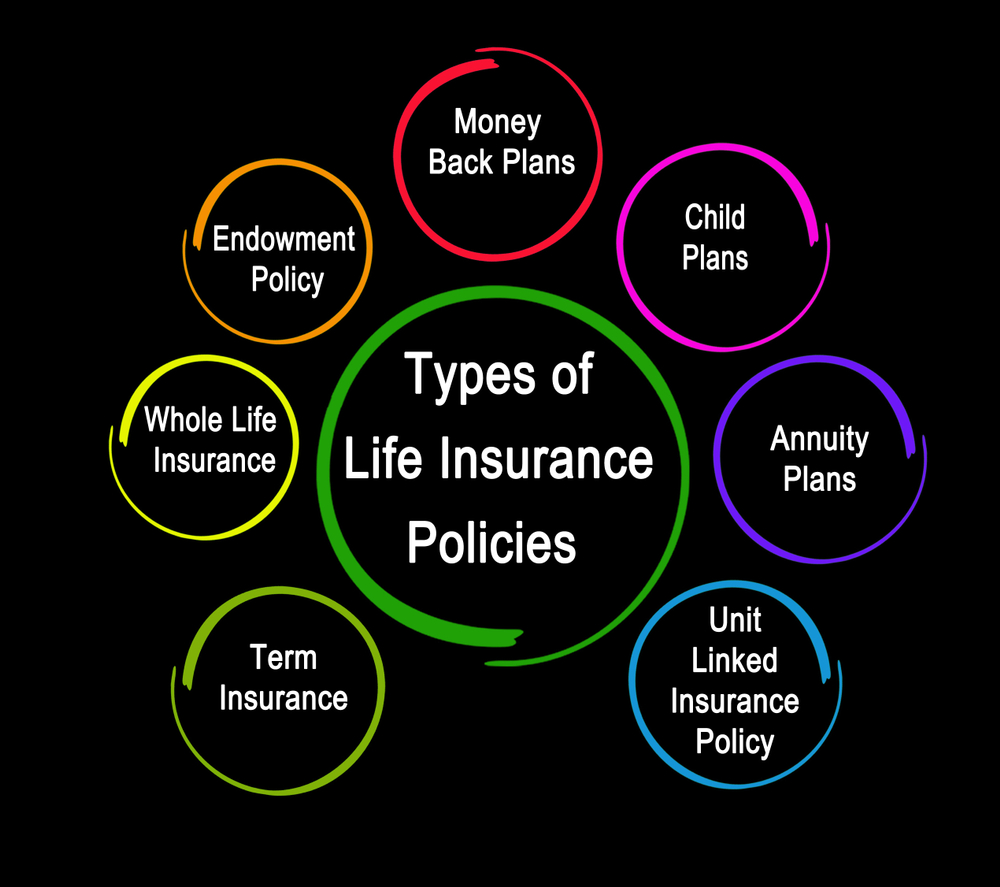
Types of Life Insurance Policies
There are two main types of life insurance policies: term life insurance and permanent life insurance.
- Term Life Insurance: Term life insurance provides coverage for a specific period, such as 10, 20, or 30 years. If you die within the term, your beneficiaries receive a death benefit. If the term expires and you still need coverage, you can typically renew the policy, but the premiums will likely be higher. Term life insurance is generally more affordable than permanent life insurance.
- Permanent Life Insurance: Permanent life insurance provides coverage for your entire life, as long as you pay the premiums. It also includes a cash value component that grows over time. You can borrow against the cash value or withdraw it, although doing so will reduce the death benefit. Types of permanent life insurance include whole life, universal life, and variable life.
The amount of life insurance you need depends on your individual circumstances, such as your income, debts, and the number of dependents you have. A financial advisor can help you determine the appropriate amount of coverage.
Auto Insurance: Protecting Yourself on the Road
Auto insurance is designed to protect you financially in the event of an accident involving your vehicle. It can cover damage to your car, as well as injuries or damages you cause to others. Most states require drivers to carry minimum levels of auto insurance.
Types of Auto Insurance Coverage
Auto insurance policies typically include several types of coverage:
- Liability Coverage: Liability coverage protects you if you're at fault in an accident and cause injuries or damages to others. It covers their medical expenses, property damage, and other costs.
- Collision Coverage: Collision coverage pays for damage to your car if you're involved in an accident, regardless of who is at fault.
- Comprehensive Coverage: Comprehensive coverage pays for damage to your car caused by events other than collisions, such as theft, vandalism, fire, or natural disasters.
- Uninsured/Underinsured Motorist Coverage: This coverage protects you if you're hit by a driver who doesn't have insurance or doesn't have enough insurance to cover your damages.
- Personal Injury Protection (PIP): PIP coverage pays for your medical expenses and lost wages if you're injured in an accident, regardless of who is at fault. PIP is required in some states.
The amount of auto insurance coverage you need depends on your individual circumstances, such as the value of your car and your risk tolerance. It's also important to consider the minimum coverage requirements in your state.
Homeowners Insurance: Safeguarding Your Home
Homeowners insurance protects your home and belongings from damage or loss due to events such as fire, theft, vandalism, and natural disasters. It also provides liability coverage if someone is injured on your property. If you have a mortgage, your lender will likely require you to have homeowners insurance.
Types of Homeowners Insurance Coverage
Homeowners insurance policies typically include several types of coverage:
- Dwelling Coverage: Dwelling coverage pays to repair or rebuild your home if it's damaged by a covered peril.
- Personal Property Coverage: Personal property coverage pays to replace your belongings if they're stolen or damaged.
- Liability Coverage: Liability coverage protects you if someone is injured on your property and sues you.
- Additional Living Expenses (ALE): ALE coverage pays for your living expenses if you have to move out of your home while it's being repaired.
The amount of homeowners insurance coverage you need should be enough to cover the cost of rebuilding your home and replacing your belongings. It's also important to consider the liability coverage you need to protect yourself from lawsuits.
Disability Insurance: Protecting Your Income
Disability insurance provides income replacement if you're unable to work due to an illness or injury. It can help you pay your bills and maintain your standard of living while you're recovering. Disability insurance is especially important if you rely on your income to support yourself or your family.
Types of Disability Insurance Policies
There are two main types of disability insurance policies: short-term disability and long-term disability.
- Short-Term Disability: Short-term disability insurance provides coverage for a short period, typically a few months. It's often used to cover maternity leave or recovery from a minor illness or injury.
- Long-Term Disability: Long-term disability insurance provides coverage for a longer period, potentially for several years or even until retirement. It's designed to protect you from the financial consequences of a serious illness or injury that prevents you from working.
The amount of disability insurance coverage you need depends on your income and expenses. It's also important to consider the waiting period before benefits begin and the length of time you'll receive benefits.
Other Types of Insurance Policies
In addition to the types of insurance discussed above, there are many other types of insurance policies available to protect you from specific risks. These include:
- Travel Insurance: Travel insurance protects you from financial losses due to unexpected events during a trip, such as trip cancellations, lost luggage, or medical emergencies.
- Pet Insurance: Pet insurance helps cover the cost of veterinary care for your pets.
- Renters Insurance: Renters insurance protects your belongings if you rent an apartment or house.
- Business Insurance: Business insurance provides coverage for businesses against various risks, such as property damage, liability claims, and business interruption.
- Umbrella Insurance: Umbrella insurance provides additional liability coverage beyond the limits of your other insurance policies.
Understanding the different types of insurance policies is crucial for making informed decisions about your financial protection. By carefully evaluating your needs and circumstances, you can choose the right insurance policies to protect yourself and your loved ones from financial losses.

0 Comments