
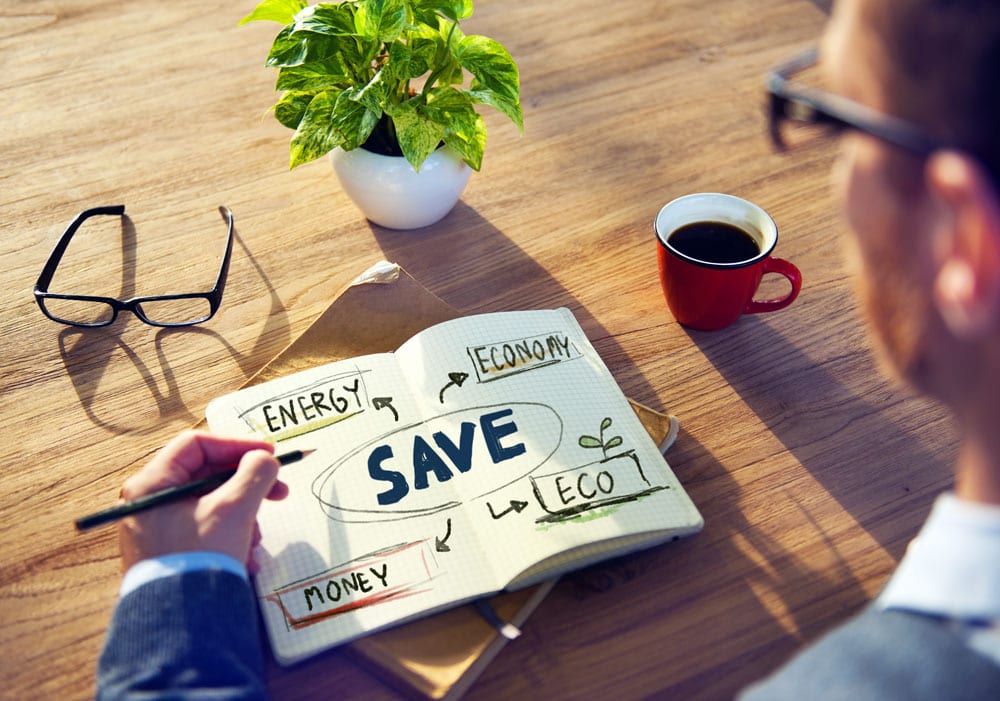
Understanding Your Utility Bills: The First Step to Saving
Before you can start saving money on your utility and energy bills, it's crucial to understand what you're paying for. Take a close look at your bills each month. Identify the biggest energy consumers in your home. Are you using a lot of electricity, gas, or water? Knowing where your money is going is the first step towards making informed decisions about how to reduce your consumption and, ultimately, your expenses.
Analyzing Your Consumption Patterns
Pay attention to the breakdown of charges on your utility bills. Most companies provide details about your usage patterns, such as peak hours of energy consumption. This information can help you identify times when you're using the most energy and adjust your habits accordingly. For example, if you notice a spike in electricity usage during the evenings, you might consider using appliances like the washing machine or dishwasher during off-peak hours.
Simple Changes, Significant Savings: Easy Energy-Saving Habits
You don't need to make drastic changes to your lifestyle to see a noticeable difference in your utility bills. Implementing a few simple energy-saving habits can add up to significant savings over time.
Lighting: Switch to LEDs
One of the easiest and most cost-effective ways to save energy is to switch to LED light bulbs. LEDs use up to 75% less energy than incandescent bulbs and last much longer. While they may cost more upfront, the long-term savings on your energy bill will more than make up for the initial investment. Also, remember to turn off lights when you leave a room.
Water Heating: Lower the Temperature
Water heating is a major energy hog in many homes. Lowering the temperature of your water heater to 120 degrees Fahrenheit can save you money without sacrificing comfort. You can also insulate your water heater to prevent heat loss and further reduce energy consumption. Consider taking shorter showers and fixing leaky faucets to conserve water and save on your water bill.
Phantom Load: Unplug Electronics
Many electronic devices continue to draw power even when they're turned off. This is known as "phantom load" or "vampire power." Unplug chargers, TVs, computers, and other electronics when they're not in use to eliminate this unnecessary energy consumption. Using power strips can make it easier to turn off multiple devices at once.
Investing in Energy Efficiency: Upgrades That Pay Off
While simple habits can make a difference, investing in energy-efficient upgrades can lead to even greater savings in the long run. These upgrades may require an initial investment, but they can significantly reduce your energy consumption and lower your utility bills for years to come.
Insulation: Seal the Deal
Proper insulation is essential for keeping your home comfortable and energy-efficient. Insulating your attic, walls, and floors can prevent heat loss in the winter and keep your home cooler in the summer, reducing the need for heating and cooling. Consider adding insulation to areas that are poorly insulated, such as around windows and doors.
Windows and Doors: Replace Drafty Ones
Drafty windows and doors can let in cold air in the winter and hot air in the summer, making your heating and cooling systems work harder. Replacing old, inefficient windows and doors with energy-efficient models can significantly reduce energy loss and lower your utility bills. Look for windows and doors with a high Energy Star rating.
HVAC Systems: Upgrade to Energy-Efficient Models
Heating, ventilation, and air conditioning (HVAC) systems are responsible for a significant portion of your energy consumption. If your HVAC system is old and inefficient, consider upgrading to a more energy-efficient model. Look for systems with a high SEER (Seasonal Energy Efficiency Ratio) rating for air conditioners and a high AFUE (Annual Fuel Utilization Efficiency) rating for furnaces. Regularly maintain your HVAC system to ensure it's running efficiently.
Smart Technology: Leveraging Automation for Savings
Smart home technology can help you automate your energy consumption and save money on your utility bills. These devices allow you to control your home's energy usage remotely and optimize it for maximum efficiency.
Smart Thermostats: Program and Save
Smart thermostats allow you to program your heating and cooling schedules and adjust the temperature remotely. You can set the thermostat to automatically lower the temperature when you're away from home or asleep, saving energy without sacrificing comfort. Some smart thermostats also learn your habits and adjust the temperature automatically based on your preferences.
Smart Lighting: Control Your Lights Remotely
Smart lighting systems allow you to control your lights remotely and automate your lighting schedules. You can turn lights on or off from your smartphone or tablet, even when you're not at home. You can also set timers and create scenes to automatically adjust the lighting based on the time of day or your activity. This can help you save energy by ensuring that lights are only on when they're needed.
Smart Plugs: Monitor and Control Appliance Usage
Smart plugs allow you to monitor and control the energy consumption of individual appliances. You can plug appliances into smart plugs and use a smartphone app to track their energy usage and turn them on or off remotely. This can help you identify energy-hogging appliances and reduce phantom load by turning them off when they're not in use.
Water Conservation: Saving Water and Money
Saving water not only benefits the environment but also helps you save money on your water bill. Implementing a few simple water conservation measures can make a big difference.
Low-Flow Fixtures: Reduce Water Usage
Installing low-flow showerheads, faucets, and toilets can significantly reduce your water consumption. Low-flow fixtures use less water without sacrificing performance. Look for fixtures with a WaterSense label, which indicates that they meet EPA standards for water efficiency.
Fix Leaks: Stop Water Waste
Even small leaks can waste a significant amount of water over time. Regularly check your faucets, toilets, and pipes for leaks and repair them promptly. A dripping faucet can waste gallons of water per day, adding up to a substantial increase in your water bill.
Water-Wise Landscaping: Reduce Irrigation Needs
If you have a lawn or garden, consider using water-wise landscaping techniques to reduce your irrigation needs. Choose drought-tolerant plants, use mulch to retain moisture, and water your plants deeply but less frequently. Consider installing a rain barrel to collect rainwater for watering your plants.

0 Comments