
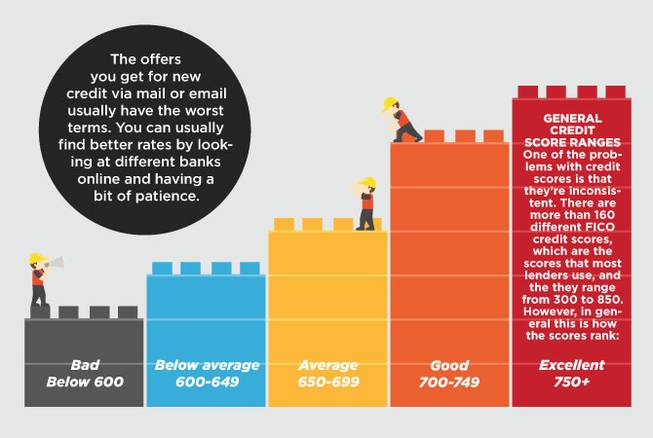
Understanding the Impact of Bankruptcy on Your Credit
Filing for bankruptcy can feel like a fresh start, a chance to escape overwhelming debt. However, it's crucial to understand that bankruptcy has a significant and lasting impact on your credit score. The fact that you filed for bankruptcy will remain on your credit report for up to 10 years, depending on the type of bankruptcy (Chapter 7 or Chapter 13). This can make it challenging to obtain credit, rent an apartment, or even secure certain jobs.
While the initial impact is undoubtedly negative, bankruptcy doesn't have to be a life sentence for your credit. With a strategic approach and diligent effort, you can rebuild your credit and regain financial stability. This guide provides actionable steps you can take to repair your credit after bankruptcy.
Immediately After Bankruptcy: What You Need to Do
The period immediately following your bankruptcy discharge is critical for laying the foundation for credit repair. Here's what you need to focus on:
1. Obtain and Review Your Credit Reports
This is the single most important step. Get copies of your credit reports from all three major credit bureaus: Experian, Equifax, and TransUnion. You are entitled to a free credit report from each bureau annually at www.annualcreditreport.com. Carefully examine each report for errors or inaccuracies related to the debts discharged in your bankruptcy. Common errors include debts still listed as active, incorrect balances, or accounts not marked as discharged in bankruptcy.
2. Dispute Any Errors or Inaccuracies
If you find any errors on your credit reports, dispute them immediately with the credit bureaus. You can do this online or by mail. Be sure to include documentation supporting your dispute, such as your bankruptcy discharge papers. The credit bureaus have 30 days to investigate your dispute. If they find an error, they are required to correct it.
3. Create a Budget and Stick to It
Bankruptcy is often a wake-up call to re-evaluate your spending habits. Create a realistic budget that tracks your income and expenses. Identify areas where you can cut back and save money. Sticking to a budget is essential for avoiding future debt problems and demonstrating responsible financial behavior.
Rebuilding Your Credit: Strategies for Long-Term Success
Once you've addressed any immediate issues, you can start actively rebuilding your credit. This process takes time and discipline, but it's achievable with the right strategies.
1. Secured Credit Cards
A secured credit card is a credit card that requires a cash deposit as collateral. The deposit typically serves as your credit limit. Secured credit cards are a great option for people with bad credit or no credit history because they are easier to obtain than unsecured credit cards. Make sure the card issuer reports to all three major credit bureaus. Use the card responsibly by making small purchases each month and paying your bill on time and in full. This will help you establish a positive credit history.
2. Credit-Builder Loans
A credit-builder loan is a small loan designed to help you build credit. With this type of loan, you typically make payments to a savings account. Once you've paid off the loan, you receive the funds. Credit-builder loans are a good option if you don't need immediate access to the funds and want to improve your credit score. Make sure the lender reports to all three major credit bureaus.
3. Become an Authorized User
If you have a friend or family member with a good credit history, ask if you can become an authorized user on their credit card. As an authorized user, you'll receive a credit card in your name, but you won't be responsible for paying the bill. However, the card's payment history will be reported to your credit report, which can help improve your credit score. Make sure the cardholder uses the card responsibly and makes payments on time.
4. Avoid Payday Loans and Title Loans
Payday loans and title loans are short-term, high-interest loans that can be very risky. These loans often trap borrowers in a cycle of debt. Avoid these types of loans at all costs, as they can further damage your credit and make it even harder to rebuild your finances.
5. Monitor Your Credit Regularly
Continue to monitor your credit reports regularly, even after you've started rebuilding your credit. This will help you identify any errors or inaccuracies and track your progress. You can use free credit monitoring services or purchase a credit monitoring subscription.
The Importance of Patience and Persistence
Repairing your credit after bankruptcy is a marathon, not a sprint. It takes time, discipline, and persistence. Don't get discouraged if you don't see results immediately. Stay focused on your goals, follow the strategies outlined in this guide, and you will eventually rebuild your credit and regain financial stability.
Remember that building a solid credit history is not just about getting approved for credit cards and loans. It's about demonstrating responsible financial behavior and building a foundation for long-term financial success. By taking the necessary steps to repair your credit, you can improve your financial well-being and achieve your financial goals.

0 Comments