
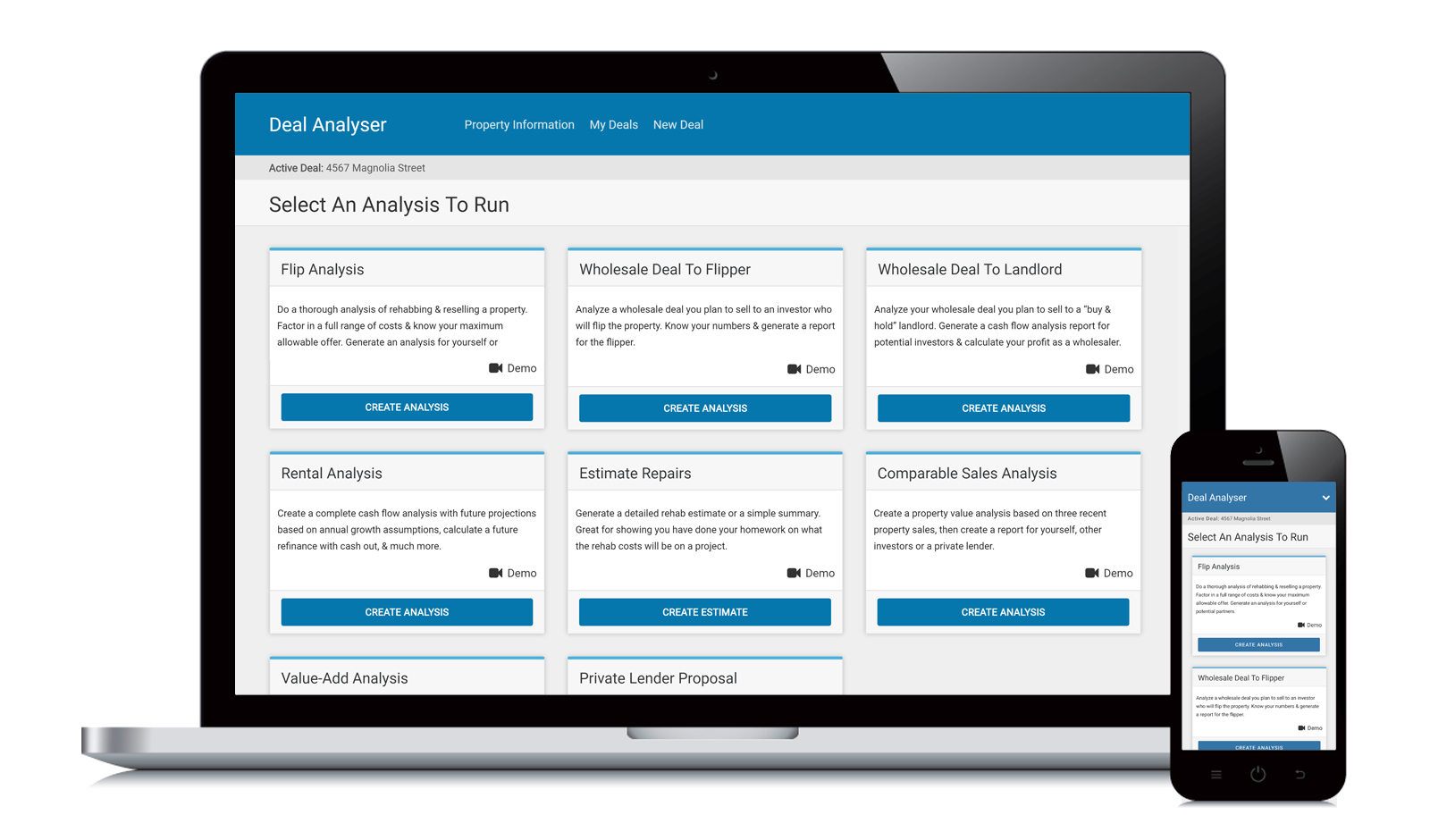
Why Real Estate Investing Calculators are Essential
Real estate investing can be incredibly rewarding, but it's also a complex field. Successfully navigating the market requires a thorough understanding of financial metrics and the ability to accurately assess the potential profitability of a deal. That's where real estate investing calculators come in. These tools provide a streamlined way to analyze potential investments, helping you make informed decisions and avoid costly mistakes.
Instead of relying on guesswork or gut feelings, calculators allow you to crunch the numbers and gain a clear picture of a property's potential returns, expenses, and overall financial viability. They provide a standardized framework for comparing different investment opportunities, ensuring you're focusing on the deals that offer the best chance of success.
Key Metrics Calculators Help You Uncover
Real estate investing calculators analyze a variety of factors to provide a comprehensive view of a property's potential. Here are some of the key metrics they can help you uncover:
- Cash Flow: This is the amount of money you have left over each month after paying all expenses related to the property, including mortgage payments, property taxes, insurance, and maintenance. Positive cash flow is crucial for a sustainable and profitable investment.
- Capitalization Rate (Cap Rate): The cap rate represents the rate of return on an investment property based on its net operating income (NOI). It's a useful metric for comparing the relative value of different properties in the same market.
- Cash-on-Cash Return: This metric measures the return on your actual cash investment, taking into account the down payment, closing costs, and any renovation expenses. It provides a more realistic picture of your potential returns than the cap rate alone.
- Internal Rate of Return (IRR): The IRR is a more sophisticated metric that takes into account the time value of money. It represents the discount rate at which the net present value (NPV) of all cash flows from an investment equals zero.
- Net Operating Income (NOI): This is the income generated by a property after deducting operating expenses, such as property taxes, insurance, and maintenance. It's a key indicator of a property's profitability.
- Loan-to-Value Ratio (LTV): This ratio measures the amount of the loan compared to the value of the property. It's an important factor in determining the risk associated with a mortgage.
Types of Real Estate Investing Calculators
There are several types of real estate investing calculators available, each designed to analyze specific aspects of a deal. Understanding the different types can help you choose the right tool for your needs:
Rental Property Calculator
This is perhaps the most common type of real estate investing calculator. It helps you analyze the potential profitability of a rental property by considering factors such as rental income, expenses, vacancy rates, and mortgage payments. It allows you to estimate cash flow, cap rate, cash-on-cash return, and other key metrics.
A good rental property calculator will allow you to input detailed information about the property, including rent, expenses (broken down into categories like property taxes, insurance, maintenance, and property management fees), and financing details (loan amount, interest rate, and loan term). It should also allow you to estimate vacancy rates and factor in potential appreciation.
Fix and Flip Calculator
Flipping houses can be a lucrative strategy, but it's also risky. A fix and flip calculator helps you estimate the potential profit from buying, renovating, and selling a property. It takes into account the purchase price, renovation costs, holding costs (such as mortgage payments, property taxes, and insurance), and estimated selling price.
This type of calculator is particularly useful for estimating the "after repair value" (ARV) of a property – the estimated value of the property after renovations are complete. It's also important to accurately estimate renovation costs, as underestimating these costs can significantly impact your potential profit.
BRRRR Calculator (Buy, Rehab, Rent, Refinance, Repeat)
The BRRRR strategy involves buying a distressed property, renovating it, renting it out, refinancing the property based on its increased value, and then using the cash from the refinance to repeat the process. A BRRRR calculator helps you analyze the potential profitability of this strategy by considering the initial purchase price, renovation costs, rental income, refinancing terms, and ongoing expenses.
This type of calculator is more complex than a simple rental property calculator, as it needs to factor in the refinancing aspect. It's important to accurately estimate the increased value of the property after renovations, as this will determine the amount you can refinance for.
Mortgage Calculator
While not strictly an investment calculator, a mortgage calculator is an essential tool for any real estate investor. It helps you determine the monthly mortgage payment based on the loan amount, interest rate, and loan term. It also allows you to analyze the impact of different down payments and interest rates on your monthly payments and overall financing costs.
Many mortgage calculators also include amortization schedules, which show you how much of each payment goes towards principal and interest over the life of the loan.
REIT (Real Estate Investment Trust) Calculator
REITs are companies that own or finance income-producing real estate across a range of property sectors. A REIT calculator can help you analyze the potential returns from investing in REITs by considering factors such as dividend yield, growth potential, and expense ratios.
Investing in REITs can be a good way to diversify your real estate portfolio and generate passive income. However, it's important to understand the risks involved, such as changes in interest rates and market volatility.
Where to Find Real Estate Investing Calculators
There are numerous online resources offering real estate investing calculators. Many websites dedicated to real estate investing, personal finance, and mortgage lending provide free calculators that you can use to analyze deals. Some popular options include:
- BiggerPockets: Offers a wide range of calculators, including rental property calculators, fix and flip calculators, and BRRRR calculators.
- Roofstock: Provides calculators specifically designed for analyzing rental properties.
- Mashvisor: Offers a comprehensive suite of tools for real estate investors, including calculators for property analysis, market analysis, and investment potential.
- Zillow: Provides a basic mortgage calculator that can be useful for estimating monthly payments.
- Investopedia: Offers a variety of financial calculators, including a mortgage calculator and a cap rate calculator.
In addition to online calculators, you can also find spreadsheet templates that you can download and customize to your specific needs. These templates often offer more flexibility and control than online calculators.
Tips for Using Real Estate Investing Calculators Effectively
While real estate investing calculators are powerful tools, it's important to use them effectively to get the most accurate and reliable results. Here are some tips:
- Use accurate data: The accuracy of your results depends on the accuracy of the data you input. Make sure to research and gather accurate information about rental income, expenses, property taxes, insurance, and other relevant factors.
- Be conservative with your estimates: It's always better to be conservative with your estimates, especially when it comes to rental income and appreciation. Overestimating these factors can lead to an overly optimistic assessment of a deal.
- Factor in all expenses: Don't forget to factor in all expenses, including property taxes, insurance, maintenance, property management fees, and vacancy rates. Underestimating expenses can significantly impact your potential returns.
- Consider different scenarios: Use the calculator to analyze different scenarios, such as different rental rates, vacancy rates, and interest rates. This can help you understand the potential risks and rewards of a deal.
- Don't rely solely on calculators: Real estate investing calculators are valuable tools, but they shouldn't be the only factor in your decision-making process. Consider other factors, such as the location of the property, the condition of the property, and the local market conditions.
- Consult with professionals: If you're new to real estate investing, it's always a good idea to consult with professionals, such as real estate agents, mortgage brokers, and financial advisors. They can provide valuable insights and guidance.
Beyond the Numbers: Qualitative Factors in Real Estate Investing
While real estate investing calculators provide a quantitative analysis of potential deals, it's crucial to remember that qualitative factors also play a significant role in success. These factors are often harder to quantify but can have a major impact on the long-term performance of an investment.
Location, Location, Location
The location of a property is arguably the most important factor in determining its value and potential for appreciation. Consider factors such as proximity to schools, amenities, transportation, and employment centers. Look for areas with strong economic growth and a growing population.
Property Condition
The condition of a property can significantly impact its maintenance costs and rental income potential. Consider the age of the property, the quality of the construction, and any necessary repairs or renovations. Be sure to conduct a thorough inspection before making an offer.
Market Conditions
The overall health of the real estate market can also impact your investment. Consider factors such as interest rates, housing inventory, and economic growth. Research the local market conditions to understand the potential for appreciation and rental income growth.
Tenant Quality
The quality of your tenants can significantly impact your cash flow and overall profitability. Screen tenants carefully to ensure they are reliable and responsible. Consider factors such as credit score, employment history, and rental history.
By combining the quantitative analysis provided by real estate investing calculators with a thorough understanding of qualitative factors, you can make informed decisions and increase your chances of success in the real estate market.

0 Comments