
Navigating Personal Finance in College: A Crucial Skill
College is a transformative period, filled with academic challenges, new experiences, and the burgeoning responsibility of managing your own finances. For many students, this is the first time they're truly in control of their money, making it a crucial time to develop sound financial habits. Understanding personal finance basics, particularly budgeting and debt management, can set you up for a successful future, both during and after your college years.
Creating a Budget That Works for You
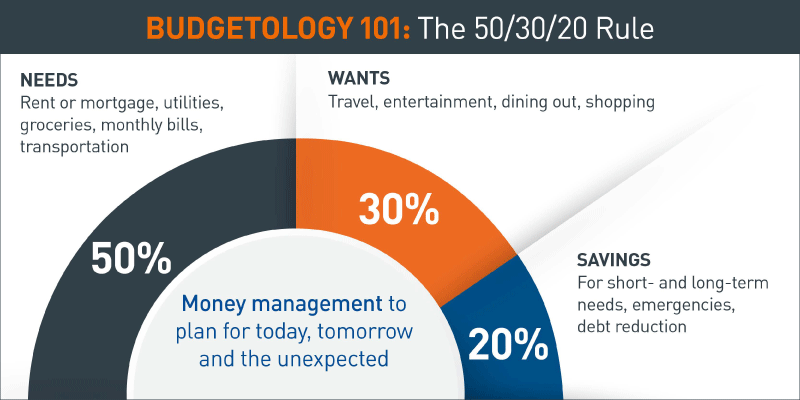
Budgeting is the foundation of good personal finance. It allows you to track your income and expenses, identify areas where you can save, and make informed decisions about your spending. For college students, a budget is especially important because income can be unpredictable and expenses can fluctuate.
Tracking Your Income and Expenses
The first step in creating a budget is to understand where your money is coming from and where it's going. Common sources of income for college students include:
- Part-time jobs
- Financial aid (grants, scholarships, loans)
- Family contributions
- Savings
Expenses can be categorized as fixed (consistent each month) or variable (fluctuating). Examples include:
- Fixed Expenses: Rent, tuition, loan payments, subscriptions
- Variable Expenses: Groceries, entertainment, transportation, textbooks, personal care
Use a budgeting app, spreadsheet, or even a notebook to track your income and expenses for at least a month. This will give you a clear picture of your spending habits.
Setting Realistic Financial Goals
Once you know where your money is going, you can start setting financial goals. These goals should be specific, measurable, achievable, relevant, and time-bound (SMART). Examples of financial goals for college students include:
- Saving for spring break
- Paying off credit card debt
- Building an emergency fund
- Investing a small amount each month
Having clear goals will help you stay motivated and focused on your budget.
Adjusting Your Spending Habits
After analyzing your income and expenses, you may find areas where you can cut back on spending. Consider these strategies:
- Cook at home more often: Eating out can be expensive. Preparing your own meals is a great way to save money.
- Take advantage of student discounts: Many businesses offer discounts to students. Always ask!
- Buy used textbooks: Textbooks can be a significant expense. Look for used books online or at your campus bookstore.
- Limit entertainment spending: Find free or low-cost activities to do with friends.
- Avoid impulse purchases: Before buying something, ask yourself if you really need it.
Understanding and Managing Student Debt
For many college students, student loans are a necessary tool for financing their education. However, it's crucial to understand the terms of your loans and develop a plan for repayment. Unmanaged student debt can have a significant impact on your financial future.
Types of Student Loans
There are two main types of student loans: federal and private. Federal loans are offered by the government and typically have more favorable terms, such as lower interest rates and flexible repayment options. Private loans are offered by banks and other financial institutions and may have higher interest rates and less flexible terms.
- Federal Student Loans: Subsidized loans (interest doesn't accrue while in school), unsubsidized loans (interest accrues while in school), PLUS loans (for parents and graduate students).
- Private Student Loans: Terms vary widely depending on the lender and your creditworthiness.
Before taking out any student loans, research your options and understand the terms and conditions of each loan.
Creating a Debt Repayment Strategy
The best time to start thinking about student loan repayment is while you're still in school. Here are some strategies to consider:
- Make interest-only payments: If possible, make interest-only payments on your loans while you're in school. This will help reduce the amount of interest that accrues.
- Explore income-driven repayment plans: If you're struggling to afford your loan payments after graduation, consider an income-driven repayment plan. These plans base your monthly payments on your income and family size.
- Refinance your loans: If you have good credit, you may be able to refinance your loans at a lower interest rate.
- Avoid deferment and forbearance if possible: While deferment and forbearance can provide temporary relief, interest will continue to accrue on your loans.
The Impact of Credit Cards on College Finances
Credit cards can be a useful tool for building credit and managing expenses, but they can also lead to debt problems if not used responsibly. For college students, the temptation to overspend on credit cards is especially high. Building good credit is important, but not at the expense of accumulating high-interest debt.
Using Credit Cards Responsibly
If you choose to use a credit card, follow these tips to avoid debt:
- Only charge what you can afford to pay back: Treat your credit card like a debit card and only charge expenses that you can pay off in full each month.
- Pay your bills on time: Late payments can damage your credit score and result in late fees.
- Keep your credit utilization low: Try to keep your credit card balance below 30% of your credit limit.
- Avoid cash advances: Cash advances typically have high interest rates and fees.
Alternatives to Credit Cards
If you're concerned about overspending on credit cards, consider these alternatives:
- Debit cards: Debit cards allow you to spend money directly from your checking account.
- Prepaid cards: Prepaid cards are loaded with a specific amount of money and can be used like a credit card.
Resources for College Students
Many resources are available to help college students manage their finances. Take advantage of these resources to learn more about budgeting, debt management, and other personal finance topics.
Campus Resources
Your college may offer financial aid counseling, workshops, and other resources to help students manage their finances. Check with your financial aid office or student services department.
Online Resources
Numerous websites and apps provide information and tools for managing your finances. Some popular resources include:
- Mint
- YNAB (You Need a Budget)
- NerdWallet
- The Balance
Financial Literacy Programs
Many organizations offer financial literacy programs specifically designed for college students. These programs can provide valuable knowledge and skills to help you make informed financial decisions.

0 Comments