
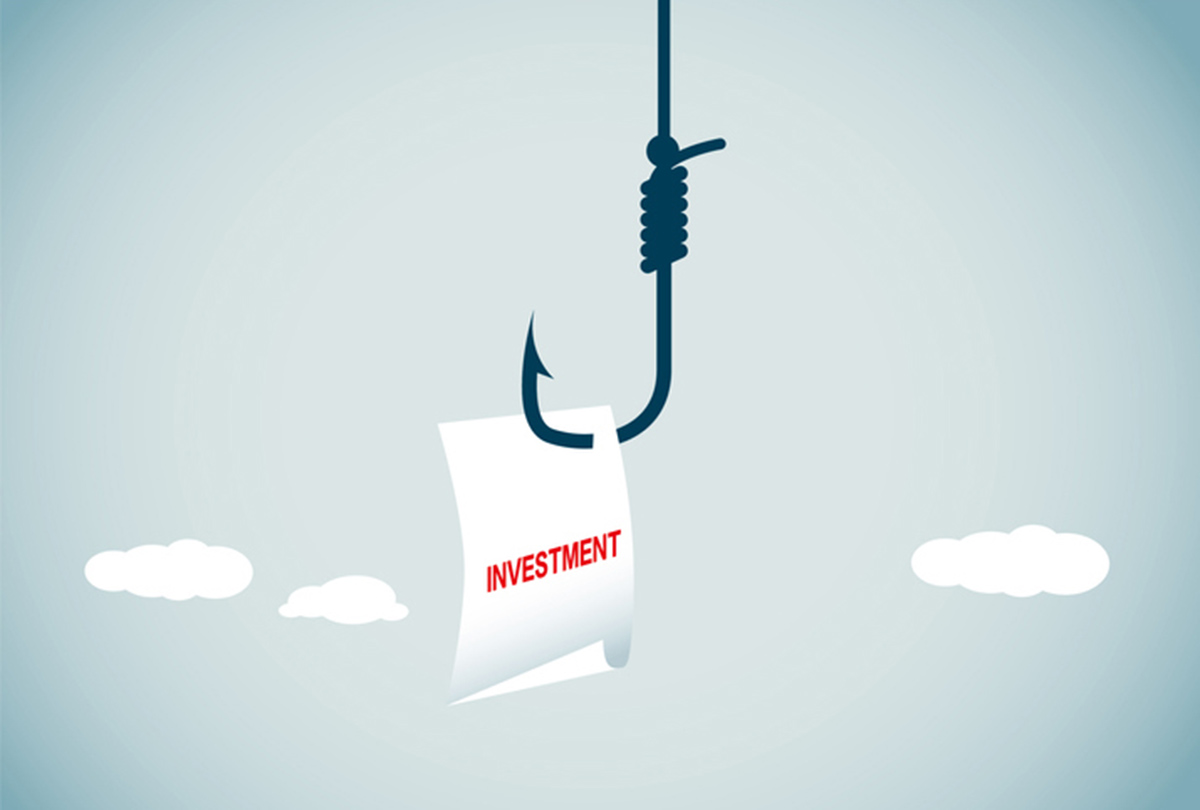
Understanding the Landscape of Stock Market Scams
The stock market, while offering significant potential for wealth creation, is also a breeding ground for scams and fraudulent activities. Understanding the common types of scams and how they operate is the first step in protecting your hard-earned money. Many individuals, both novice and experienced investors, fall victim to these schemes every year, highlighting the importance of vigilance and education.
Common Stock Market Scams to Watch Out For
Several types of stock market scams are prevalent. Being aware of these can help you recognize and avoid them.
Pump and Dump Schemes
Pump and dump schemes are among the most notorious. These involve artificially inflating the price of a stock through false and misleading positive statements, often based on unfounded or exaggerated claims. Scammers spread this information through various channels, including online forums, social media, and email campaigns. As unsuspecting investors buy the stock, driving up the price, the perpetrators sell their shares at a profit, leaving the later investors with significant losses when the price crashes.
Pyramid Schemes
Pyramid schemes, while not strictly confined to the stock market, often masquerade as investment opportunities. These schemes rely on recruiting new members to pay those at the top of the pyramid. Early investors might see returns, but the system inevitably collapses when recruitment slows down, leaving the majority of participants with losses. Be wary of any investment opportunity that promises high returns with little or no risk and relies heavily on recruiting others.
Insider Trading
Insider trading involves trading stocks based on non-public, confidential information. While not always a scam targeted at individual investors, it can unfairly disadvantage those who do not have access to the same information. It's illegal and unethical, and while it might seem tempting, the consequences can be severe, including hefty fines and imprisonment. Be cautious of accepting investment advice from individuals who have access to privileged information.
Unregistered Securities Offerings
Some individuals or companies may offer unregistered securities, claiming they are exempt from registration requirements. These offerings often lack the transparency and regulatory oversight provided by registered securities, making them riskier and potentially fraudulent. Always verify the registration status of any security before investing.
Affinity Fraud
Affinity fraud targets specific groups, such as religious, ethnic, or professional communities. Scammers often pose as members of the group and exploit the trust and sense of community to promote fraudulent investments. These schemes can be particularly devastating because they often involve close-knit networks, making it difficult to detect the fraud until significant damage has been done.
How to Protect Yourself from Stock Market Fraud
Protecting yourself from stock market fraud requires a proactive and informed approach. Here are several key steps you can take:
Do Your Research
Before investing in any stock, conduct thorough research. Don't rely solely on information provided by brokers or promoters. Consult reputable sources, such as financial news websites, company filings with the Securities and Exchange Commission (SEC), and independent research reports. Understand the company's business model, financial performance, and competitive landscape.
Be Skeptical of Unsolicited Offers
Be wary of unsolicited investment offers, especially those that promise high returns with little or no risk. Scammers often use high-pressure tactics to pressure investors into making quick decisions. Take your time to evaluate any investment opportunity and don't be afraid to ask questions and seek independent advice.
Verify Credentials
Before working with a broker or financial advisor, verify their credentials and registration status. You can use the SEC's Investment Adviser Public Disclosure (IAPD) database or the Financial Industry Regulatory Authority's (FINRA) BrokerCheck to check their background, including any disciplinary actions or complaints. Be wary of individuals who are not registered or have a history of misconduct.
Understand the Investment
Never invest in something you don't understand. If you can't explain the investment to someone else, you shouldn't be investing in it. Ask questions until you are comfortable with the risks and potential rewards. Be wary of complex or opaque investments that are difficult to understand.
Review Account Statements Regularly
Carefully review your account statements on a regular basis to identify any unauthorized transactions or discrepancies. If you notice anything suspicious, contact your broker or financial advisor immediately. Don't wait until the end of the month or quarter to review your statements.
Be Cautious of Online Forums and Social Media
Be cautious of investment advice or recommendations you find on online forums and social media. These platforms can be easily manipulated by scammers to promote fraudulent schemes. Don't rely solely on information you find online and always conduct your own independent research.
Report Suspicious Activity
If you suspect that you have been a victim of stock market fraud, report it to the SEC, FINRA, or your state securities regulator. Reporting suspicious activity can help prevent others from becoming victims and can lead to the prosecution of the perpetrators. You can also file a complaint with the Federal Trade Commission (FTC).
Diversify Your Investments
Diversifying your investments is a crucial risk management strategy. Don't put all your eggs in one basket. By spreading your investments across different asset classes, industries, and geographic regions, you can reduce your overall risk. If one investment performs poorly, it won't have a devastating impact on your portfolio.
Avoid Emotional Investing
Making investment decisions based on emotions, such as fear or greed, can lead to poor outcomes. Stick to your investment plan and avoid making impulsive decisions based on market fluctuations or news headlines. A well-thought-out investment strategy should be based on your financial goals, risk tolerance, and time horizon.
Secure Your Online Accounts
Protect your online brokerage accounts with strong passwords and enable two-factor authentication (2FA) whenever possible. Be cautious of phishing emails or websites that attempt to steal your login credentials. Never share your password with anyone and be sure to keep your security software up to date.

0 Comments