
Understanding Your Debt Relief Options: Debt Management Plan vs. Bankruptcy
Facing overwhelming debt can be a stressful and daunting experience. When bills pile up and making minimum payments feels impossible, exploring debt relief options becomes crucial. Two commonly discussed options are debt management plans (DMPs) and bankruptcy. While both aim to alleviate debt, they operate very differently and have distinct implications for your financial future. This article will delve into the intricacies of each, helping you understand their pros and cons and ultimately determine which path is best suited for your specific circumstances.
What is a Debt Management Plan (DMP)?
A debt management plan (DMP) is a structured repayment program facilitated by a credit counseling agency. It's designed to help you consolidate your debts and make them more manageable. Generally, DMPs are suitable for individuals with unsecured debts, such as credit card debt, personal loans, and medical bills.
How a DMP Works
Here's a breakdown of how a typical DMP functions:
- Credit Counseling Session: You'll begin with a free consultation with a certified credit counselor. They'll assess your financial situation, including your income, expenses, and debts.
- Debt Assessment and Plan Creation: The counselor will analyze your debts, focusing on interest rates and outstanding balances. They'll then work with you to create a personalized repayment plan.
- Negotiation with Creditors: The credit counseling agency will negotiate with your creditors to potentially lower interest rates, waive fees, or stop late payment penalties.
- Consolidated Payment: You'll make a single monthly payment to the credit counseling agency, who will then distribute the funds to your creditors according to the agreed-upon plan.
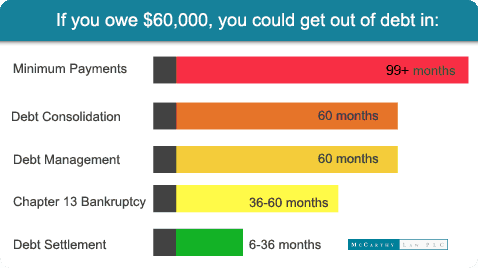
- Debt Repayment: The DMP typically lasts 3-5 years, during which you'll make regular payments to gradually pay off your debts.
Pros of a Debt Management Plan
- Lower Interest Rates: One of the biggest advantages is the potential for reduced interest rates, which can significantly lower your overall debt repayment costs.
- Simplified Payments: Making one monthly payment to the credit counseling agency simplifies your finances and reduces the risk of missing payments.
- Avoidance of Bankruptcy: A DMP allows you to repay your debts without resorting to bankruptcy, preserving your credit score to a greater extent.
- Educational Resources: Credit counseling agencies often provide educational resources and budgeting tools to help you improve your financial literacy.
- Debt Consolidation without Loans: Unlike debt consolidation loans, DMPs don't require you to take out a new loan, avoiding additional interest charges and potential fees associated with borrowing.
Cons of a Debt Management Plan
- Requires Discipline: You need to be disciplined and committed to making regular payments throughout the duration of the plan.
- Credit Score Impact: While better than bankruptcy, enrolling in a DMP can still negatively impact your credit score, especially initially. Your accounts may be flagged as being managed by a credit counseling agency.
- Fees: Credit counseling agencies typically charge monthly fees for their services, although these fees are usually relatively low.
- Not All Debts are Eligible: DMPs are generally not suitable for secured debts like mortgages or car loans.
- Creditor Participation: Not all creditors will agree to participate in a DMP, which could limit its effectiveness.
What is Bankruptcy?
Bankruptcy is a legal process that allows individuals or businesses who are unable to repay their debts to seek relief from their creditors. It offers a fresh start by either liquidating assets to pay off debts (Chapter 7) or creating a repayment plan (Chapter 13).
Chapter 7 vs. Chapter 13 Bankruptcy
There are two main types of bankruptcy for individuals:
Chapter 7 Bankruptcy
Chapter 7 bankruptcy, also known as liquidation bankruptcy, involves selling off non-exempt assets to pay off creditors. Exempt assets, such as your home (up to a certain value) and essential personal belongings, are typically protected. This option is generally available to individuals with limited income and assets.
Chapter 13 Bankruptcy
Chapter 13 bankruptcy, also known as reorganization bankruptcy, allows you to create a repayment plan to pay off your debts over a period of 3-5 years. You'll typically keep your assets, but you'll be required to make regular payments according to the court-approved plan. This option is suitable for individuals with a regular income.
Pros of Bankruptcy
- Debt Discharge: Bankruptcy can discharge many types of debt, including credit card debt, medical bills, and personal loans, offering a fresh start.
- Automatic Stay: Filing for bankruptcy triggers an automatic stay, which immediately stops most collection actions, including lawsuits, wage garnishments, and foreclosures.
- Protection of Assets (in Chapter 13): In Chapter 13, you can typically keep your assets while repaying your debts over time.
- Potential for a Fresh Start: Bankruptcy can provide a clean slate, allowing you to rebuild your financial life.
Cons of Bankruptcy
- Severe Credit Score Impact: Bankruptcy has a significant negative impact on your credit score, and it can remain on your credit report for up to 10 years.
- Loss of Assets (in Chapter 7): In Chapter 7, you may be required to sell off non-exempt assets to pay off creditors.
- Public Record: Bankruptcy filings are public record, which can be embarrassing for some individuals.
- Difficulty Obtaining Credit: It can be difficult to obtain credit after filing for bankruptcy, and you may face higher interest rates.
- Certain Debts Not Dischargeable: Some debts, such as student loans, certain tax obligations, and child support, are typically not dischargeable in bankruptcy.
Debt Management Plan vs. Bankruptcy: A Head-to-Head Comparison
Here's a table summarizing the key differences between DMPs and bankruptcy:
| Feature | Debt Management Plan | Bankruptcy |
|---|---|---|
| Debt Relief Approach | Repayment plan facilitated by a credit counseling agency | Legal process of debt discharge or repayment |
| Credit Score Impact | Negative, but less severe than bankruptcy | Significant negative impact |
| Asset Protection | Assets are generally not affected | Potential loss of non-exempt assets (Chapter 7) |
| Debt Discharge | No debt discharge; full repayment is required | Potential discharge of many debts |
| Creditor Involvement | Requires creditor participation | Mandatory for all creditors |
| Suitability | Individuals with unsecured debts and manageable income | Individuals with overwhelming debt and limited income (Chapter 7) or regular income (Chapter 13) |
Which Option is Right for You?
The best debt relief option depends on your individual circumstances. Consider these factors when making your decision:
- Debt Amount: How much debt do you owe? If your debt is relatively small and manageable, a DMP might be a good option. If your debt is overwhelming, bankruptcy might be necessary.
- Income: What is your income? Do you have a regular income stream? Chapter 13 bankruptcy requires a regular income to make payments.
- Assets: What assets do you own? Are you willing to risk losing assets in Chapter 7 bankruptcy?
- Credit Score: How important is your credit score to you? A DMP will have a less severe impact on your credit score than bankruptcy.
- Debt Type: What types of debt do you have? DMPs are best suited for unsecured debts. Some debts are not dischargeable in bankruptcy.
It's highly recommended to consult with a qualified credit counselor or bankruptcy attorney to discuss your specific situation and determine the best course of action. They can provide personalized advice and guidance to help you navigate the complexities of debt relief.

0 Comments