
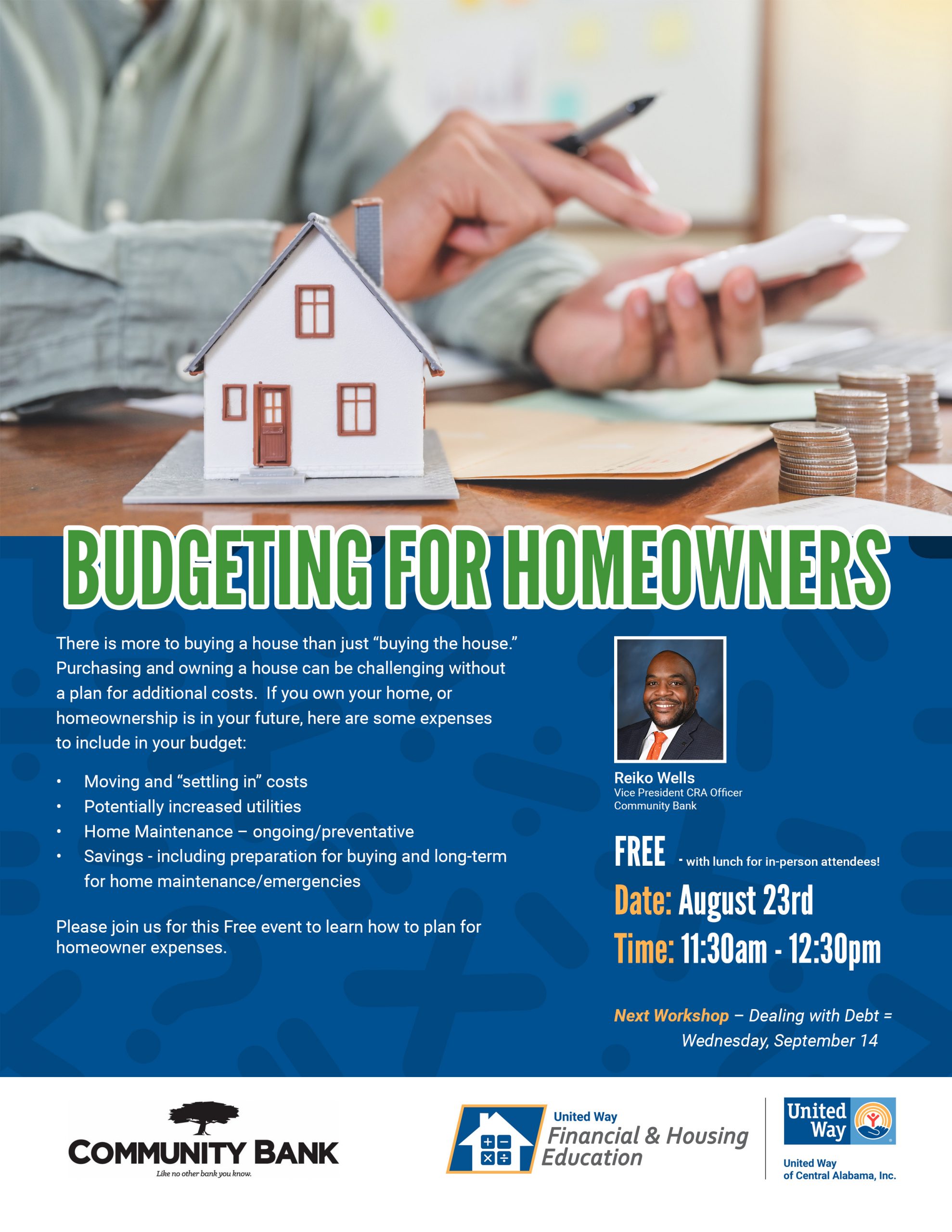
Understanding Debt Management for Homeowners
Owning a home is a significant achievement, but it often comes with substantial financial responsibilities. Managing debt effectively is crucial for homeowners to maintain financial stability and avoid the stress of overwhelming obligations. This article explores various debt management strategies tailored specifically for homeowners, providing insights and practical tips to help you navigate your financial landscape.
Identifying Your Debts as a Homeowner
The first step in effective debt management is understanding the types of debts you have and their associated terms. Common debts for homeowners include:
- Mortgage: The primary loan used to purchase your home.
- Home Equity Loan/Line of Credit (HELOC): Loans secured by your home equity.
- Credit Card Debt: Often accumulated for home improvements, furnishings, or unexpected expenses.
- Personal Loans: Used for various purposes, potentially including home-related expenses.
- Student Loans: If you're a homeowner who is also paying off student loans.
Once you've identified your debts, create a comprehensive list including the outstanding balance, interest rate, minimum payment, and due date for each. This will give you a clear picture of your overall debt situation.
Creating a Budget and Prioritizing Debt Repayment
A budget is an essential tool for managing your finances and prioritizing debt repayment. Start by tracking your income and expenses for a month to identify where your money is going. Categorize your expenses into needs (housing, food, transportation) and wants (entertainment, dining out). Look for areas where you can cut back on spending to free up more money for debt repayment.
Once you have a budget, prioritize your debt based on interest rates. The debt avalanche method involves focusing on paying off the debt with the highest interest rate first, while making minimum payments on other debts. This strategy can save you money in the long run by reducing the amount of interest you pay over time. Alternatively, the debt snowball method involves paying off the debt with the smallest balance first, regardless of interest rate. This can provide a psychological boost and motivation to continue paying off debt.
Strategies for Managing Mortgage Debt
Refinancing Your Mortgage
Refinancing involves replacing your existing mortgage with a new one, often with a lower interest rate or different terms. This can lower your monthly payments and save you money over the life of the loan. Consider refinancing if interest rates have dropped since you took out your original mortgage, or if you want to switch from an adjustable-rate mortgage (ARM) to a fixed-rate mortgage for more stability.
However, be sure to factor in the costs associated with refinancing, such as appraisal fees, origination fees, and closing costs. Calculate whether the savings from a lower interest rate will outweigh these costs over the long term.
Making Extra Mortgage Payments
Even small extra payments towards your mortgage principal can significantly reduce the loan term and the total interest you pay. Consider making one extra mortgage payment per year, or adding a small amount to each monthly payment. This can shave years off your mortgage and save you thousands of dollars in interest.
Recasting Your Mortgage
Mortgage recasting involves making a large lump-sum payment towards your mortgage principal, which then prompts your lender to recalculate your monthly payments based on the new, lower balance. This can reduce your monthly payments without refinancing, and without incurring significant fees. Recasting is often a good option if you receive a large windfall, such as an inheritance or bonus.
Strategies for Managing Other Types of Debt
Debt Consolidation
Debt consolidation involves taking out a new loan to pay off multiple existing debts. This can simplify your finances by combining multiple payments into one, and it may also lower your overall interest rate. Options for debt consolidation include:
- Personal Loans: Unsecured loans that can be used for various purposes, including debt consolidation.
- Balance Transfer Credit Cards: Credit cards that offer a low or zero percent introductory interest rate on balance transfers.
- Home Equity Loans or HELOCs: Secured loans that use your home equity as collateral.
Carefully evaluate the terms and conditions of any debt consolidation loan before committing. Make sure the interest rate and fees are lower than what you are currently paying on your existing debts.
Debt Management Plans (DMPs)
A Debt Management Plan (DMP) is a program offered by credit counseling agencies that helps you consolidate your debts and negotiate lower interest rates or fees with your creditors. You make one monthly payment to the credit counseling agency, which then distributes the funds to your creditors. DMPs can be a helpful option if you are struggling to manage multiple debts, but be aware of potential fees and the impact on your credit score.
Negotiating with Creditors
Don't hesitate to contact your creditors and negotiate lower interest rates, payment plans, or hardship programs. Many creditors are willing to work with borrowers who are experiencing financial difficulties. Be prepared to provide documentation of your income and expenses, and explain your situation clearly and honestly.
Protecting Your Home from Debt
Avoid Using Your Home as an ATM
While it can be tempting to tap into your home equity to cover expenses or consolidate debt, be cautious about using your home as an ATM. Home equity loans and HELOCs are secured by your home, so if you fail to repay the loan, you could face foreclosure.
Build an Emergency Fund
An emergency fund can help you avoid going into debt when unexpected expenses arise. Aim to save at least three to six months' worth of living expenses in a readily accessible account. This can provide a financial cushion to cover unexpected repairs, medical bills, or job loss.
Seek Professional Advice
If you are struggling to manage your debt, consider seeking professional advice from a financial advisor or credit counselor. They can help you assess your financial situation, develop a personalized debt management plan, and provide guidance on how to improve your financial health.
Conclusion
Managing debt effectively is crucial for homeowners to maintain financial stability and achieve their long-term financial goals. By understanding your debts, creating a budget, prioritizing debt repayment, and exploring various debt management strategies, you can take control of your finances and enjoy the peace of mind that comes with financial security.

0 Comments