
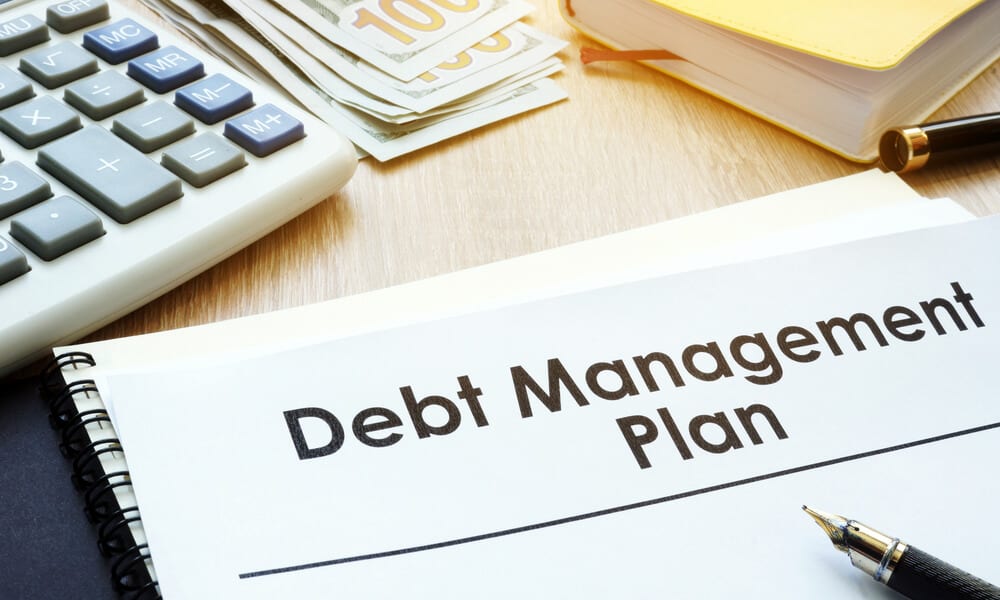
Understanding Your Debt Relief Options: Consolidation Loan vs. DMP
Facing overwhelming debt can be stressful. Fortunately, there are several strategies available to help you regain control of your finances. Two common approaches are debt consolidation loans and debt management plans (DMPs). Both aim to simplify repayment, but they work in different ways. Understanding the nuances of each option and utilizing the right calculator is crucial for making an informed decision.
Debt Consolidation Loans: Streamlining Your Payments
A debt consolidation loan involves taking out a new loan to pay off multiple existing debts. Ideally, this new loan comes with a lower interest rate than the average rate you're currently paying across all your debts. This simplifies your financial life by replacing several payments with a single, often more manageable, monthly payment.
How Debt Consolidation Loans Work
The basic premise is simple: you apply for a loan, typically an unsecured personal loan, and if approved, you use the funds to pay off your credit cards, medical bills, or other outstanding debts. You then only have one loan to worry about, simplifying budgeting and potentially saving you money on interest in the long run. Your credit score will be a major factor in whether you are approved and what interest rate you receive.
Benefits of Debt Consolidation Loans
- Simplified Payments: One loan, one payment, easier budgeting.
- Potentially Lower Interest Rate: If you qualify for a loan with a lower rate than your existing debts, you'll save money on interest.
- Fixed Repayment Schedule: Predictable payments help with long-term financial planning.
- Improved Credit Score (Potentially): Successfully managing and paying off a consolidation loan can positively impact your credit score over time.
When to Consider a Debt Consolidation Loan
A debt consolidation loan might be a good option if you:
- Have a good credit score, which will help you qualify for a lower interest rate.
- Are disciplined with your spending and won't rack up more debt on your credit cards after paying them off.
- Are comfortable taking on a new loan and making consistent payments.
Debt Management Plans (DMPs): A Structured Approach to Repayment
A Debt Management Plan (DMP) is a structured repayment program offered by credit counseling agencies. It's not a loan; instead, it involves working with a counselor to create a budget and negotiate with your creditors to lower your interest rates and monthly payments.
How Debt Management Plans Work
You'll work with a credit counselor to assess your financial situation and develop a personalized DMP. The counselor then contacts your creditors to negotiate lower interest rates and potentially waive certain fees. You'll make a single monthly payment to the credit counseling agency, which then distributes the funds to your creditors according to the agreed-upon terms.
Benefits of Debt Management Plans
- Lower Interest Rates: Credit counselors often negotiate lower interest rates with creditors, saving you money over time.
- Simplified Payments: You make one monthly payment to the credit counseling agency.
- Credit Counseling Support: Access to financial education and guidance can help you develop better money management habits.
- Reduced Fees: Some creditors may waive late fees or other penalties.
When to Consider a Debt Management Plan
A DMP might be a good option if you:
- Are struggling to keep up with your debt payments.
- Have high-interest debt, such as credit card debt.
- Need help creating a budget and managing your finances.
- Are comfortable working with a credit counseling agency.
Debt Consolidation Loan Calculator: Estimating Your Savings
A debt consolidation loan calculator helps you determine if consolidating your debt will actually save you money. These calculators typically require you to input the following information:
- Current Debt Balances: The outstanding balance on each debt you want to consolidate.
- Interest Rates: The interest rate for each debt.
- Minimum Monthly Payments: The minimum payment required for each debt.
- Loan Amount: The total amount you plan to borrow for the consolidation loan.
- Loan Interest Rate: The interest rate you expect to receive on the consolidation loan.
- Loan Term: The length of time you'll have to repay the consolidation loan.
The calculator will then estimate your potential monthly payment, the total interest you'll pay over the life of the loan, and the total savings compared to your current debt repayment schedule.
Key Features of a Good Debt Consolidation Loan Calculator
- Detailed Breakdown: The calculator should provide a clear breakdown of your current debt, the proposed consolidation loan, and the estimated savings.
- "What-If" Scenarios: The ability to adjust the loan amount, interest rate, and term to see how different scenarios impact your payments and savings.
- Amortization Schedule: A detailed amortization schedule showing how your payments will be applied to principal and interest over time.
Debt Management Plan Calculator: Projecting Your DMP Progress
While not as common as debt consolidation loan calculators, some credit counseling agencies offer tools to help you estimate the potential benefits of a DMP. These tools often involve a consultation with a credit counselor, who will gather information about your debts, income, and expenses.
The DMP calculator, or the projections provided by the credit counselor, should illustrate:
- Estimated Monthly Payment: The single monthly payment you'll make to the credit counseling agency.
- Reduced Interest Rates: The lower interest rates the counselor expects to negotiate with your creditors.
- Projected Repayment Timeline: The estimated amount of time it will take to complete the DMP.
- Total Savings: The estimated total savings on interest and fees over the life of the DMP.
Understanding the Limitations of DMP Calculators
It's important to remember that the results of a DMP calculator are estimates. The actual interest rates and fees you'll receive will depend on the negotiations between the credit counselor and your creditors. It's also crucial to maintain consistent payments throughout the DMP to ensure its success.
Choosing the Right Calculator for Your Situation
The best calculator for you depends on which debt relief option you're considering. If you're exploring a debt consolidation loan, use a dedicated debt consolidation loan calculator. If you're leaning towards a Debt Management Plan, consult with a credit counseling agency and review their projections, even if they don't have a formal "calculator."
Remember that calculators are just tools. It's crucial to understand the underlying concepts of debt consolidation loans and DMPs before making any decisions. Consider consulting with a financial advisor for personalized guidance.

0 Comments