
Understanding Credit Counseling and Debt Management Plans
If you're struggling with debt and have a less-than-perfect credit score, you're not alone. Millions of Americans face similar challenges every year. Fortunately, there are resources available to help you regain control of your finances. One such resource is credit counseling, and a potential solution offered through credit counseling is a debt management plan (DMP). This guide will explore how credit counseling and DMPs can assist individuals with bad credit in managing and overcoming their debt.
What is Credit Counseling?
Credit counseling is a service provided by non-profit organizations that offer guidance and education to individuals struggling with debt or financial management. The primary goal of credit counseling is to help you understand your financial situation, develop a budget, and explore options for debt relief. A credit counselor will review your income, expenses, and debts to create a personalized plan for you.
Key Benefits of Credit Counseling:
- Financial Assessment: A comprehensive review of your current financial situation.
- Budgeting Assistance: Help creating a realistic and sustainable budget.
- Debt Management Education: Learning about different debt relief options and strategies.
- Credit Report Review: Understanding your credit report and identifying potential errors.
- Personalized Action Plan: Development of a customized plan to address your specific needs.
What is a Debt Management Plan (DMP)?
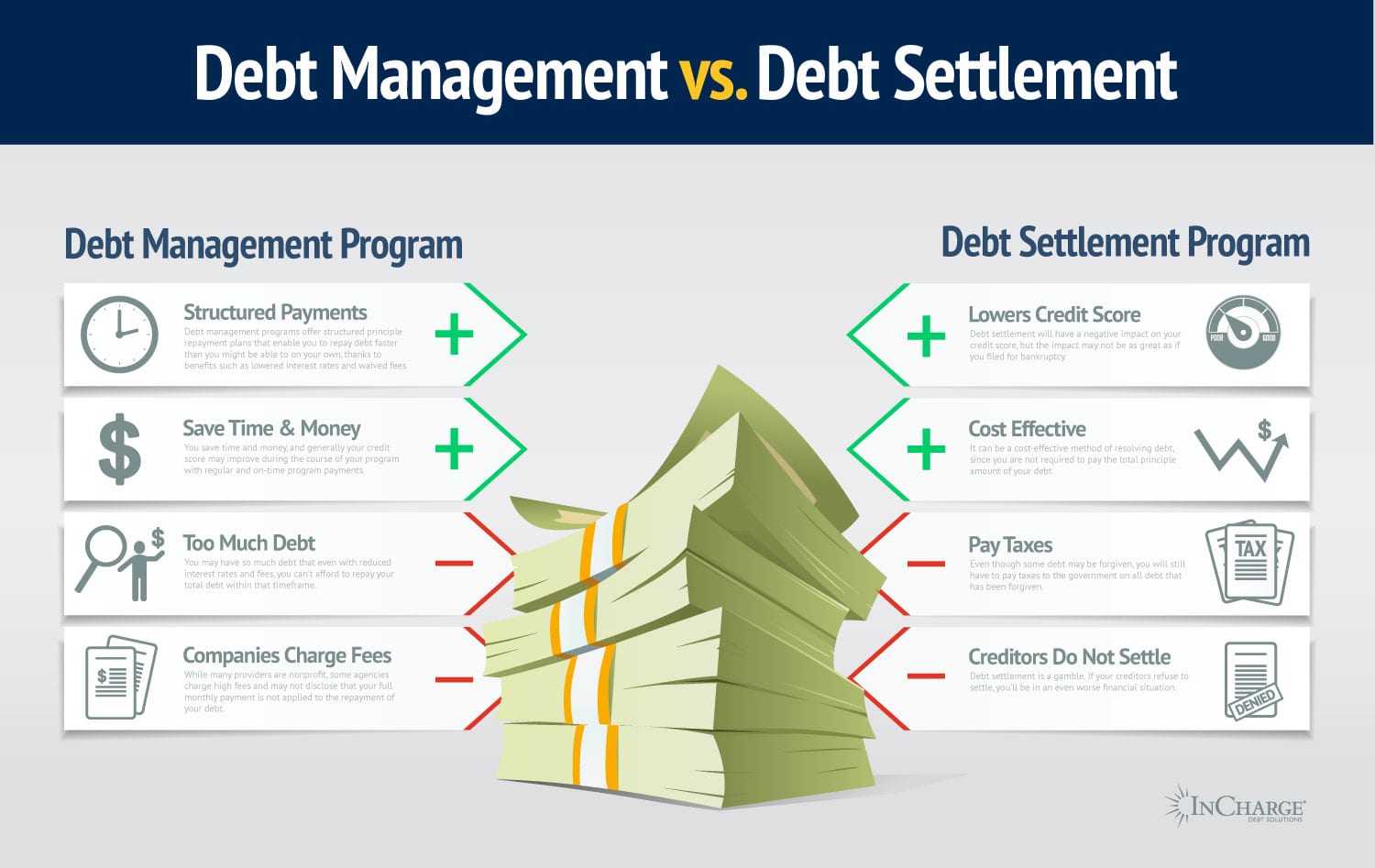
A Debt Management Plan (DMP) is a structured program offered through credit counseling agencies that helps you consolidate your unsecured debts (such as credit cards) into a single monthly payment. The credit counseling agency negotiates with your creditors to potentially lower interest rates and waive certain fees. You then make a monthly payment to the credit counseling agency, which distributes the funds to your creditors according to the agreed-upon terms.
How a DMP Works:
- Initial Consultation: You'll meet with a credit counselor to discuss your financial situation.
- Debt Assessment: The counselor will review your debts, interest rates, and minimum payments.
- Negotiation with Creditors: The agency will contact your creditors to negotiate lower interest rates and fees.
- Payment Plan Creation: A customized DMP will be created, outlining your monthly payment and the repayment schedule.
- Monthly Payments: You'll make a single monthly payment to the credit counseling agency.
- Debt Distribution: The agency will distribute the funds to your creditors according to the DMP terms.
DMP for Bad Credit: Is It a Viable Option?
Yes, a DMP can be a viable option for individuals with bad credit. In fact, it can be particularly beneficial because it can help you avoid more drastic measures like bankruptcy. While a DMP won't magically erase your bad credit, it can help you improve your credit score over time by demonstrating responsible debt management. It's important to remember that success with a DMP requires commitment and consistent adherence to the payment plan.
Benefits of a DMP for Individuals with Bad Credit:
- Lower Interest Rates: Negotiated lower interest rates can significantly reduce the amount of interest you pay over time.
- Simplified Payments: Consolidating your debts into a single monthly payment makes it easier to manage your finances.
- Improved Credit Score Potential: Making timely payments on your DMP can positively impact your credit score.
- Avoidance of Collection Calls: Creditors are often willing to stop collection calls once you enroll in a DMP.
- Structured Repayment Plan: A DMP provides a structured framework for repaying your debts.
How to Find a Reputable Credit Counseling Agency
Choosing the right credit counseling agency is crucial for a successful DMP experience. Not all agencies are created equal, and some may be more interested in making a profit than helping you. Here are some tips for finding a reputable credit counseling agency:
Tips for Choosing a Credit Counseling Agency:
- Non-Profit Status: Look for agencies that are non-profit organizations.
- Accreditation: Ensure the agency is accredited by a reputable organization, such as the National Foundation for Credit Counseling (NFCC) or the Financial Counseling Association of America (FCAA).
- Years of Experience: Choose an agency with a proven track record of success.
- Transparent Fees: Make sure the agency is transparent about its fees and how they are structured. Some agencies offer services for free or at a very low cost.
- Educational Resources: A good agency will offer a variety of educational resources to help you improve your financial literacy.
- Check Reviews and Ratings: Research the agency's reputation online and read reviews from other clients.
Potential Drawbacks of a Debt Management Plan
While DMPs offer numerous benefits, it's important to be aware of potential drawbacks:
Considerations Before Enrolling in a DMP:
- Credit Score Impact: Closing credit card accounts as part of a DMP can temporarily lower your credit score.
- Monthly Fees: Some credit counseling agencies charge monthly fees for their services.
- Commitment Required: A DMP requires a significant commitment to the repayment plan.
- Not a Quick Fix: It can take several years to complete a DMP.
- Limited Debt Coverage: DMPs typically only cover unsecured debts, such as credit cards.
Alternatives to Debt Management Plans
If a DMP isn't the right fit for you, there are other debt relief options to consider:
Exploring Other Debt Relief Options:
- Debt Consolidation Loan: Taking out a loan to consolidate your debts into a single payment.
- Balance Transfer Credit Card: Transferring your high-interest debt to a credit card with a lower interest rate.
- Debt Settlement: Negotiating with your creditors to settle your debts for less than you owe.
- Bankruptcy: A legal process that can discharge certain debts (this should be considered as a last resort).
Improving Your Credit Score While on a DMP
Even with bad credit, you can take steps to improve your credit score while participating in a DMP:
Strategies for Improving Your Credit:
- Make Timely Payments: Always make your DMP payments on time.
- Avoid New Debt: Refrain from taking on any new debt while you're on a DMP.
- Monitor Your Credit Report: Regularly check your credit report for errors and dispute any inaccuracies.
- Become an Authorized User: Ask a trusted friend or family member to add you as an authorized user on their credit card (make sure they have a good payment history).
- Secured Credit Card: Consider getting a secured credit card to rebuild your credit.

0 Comments