
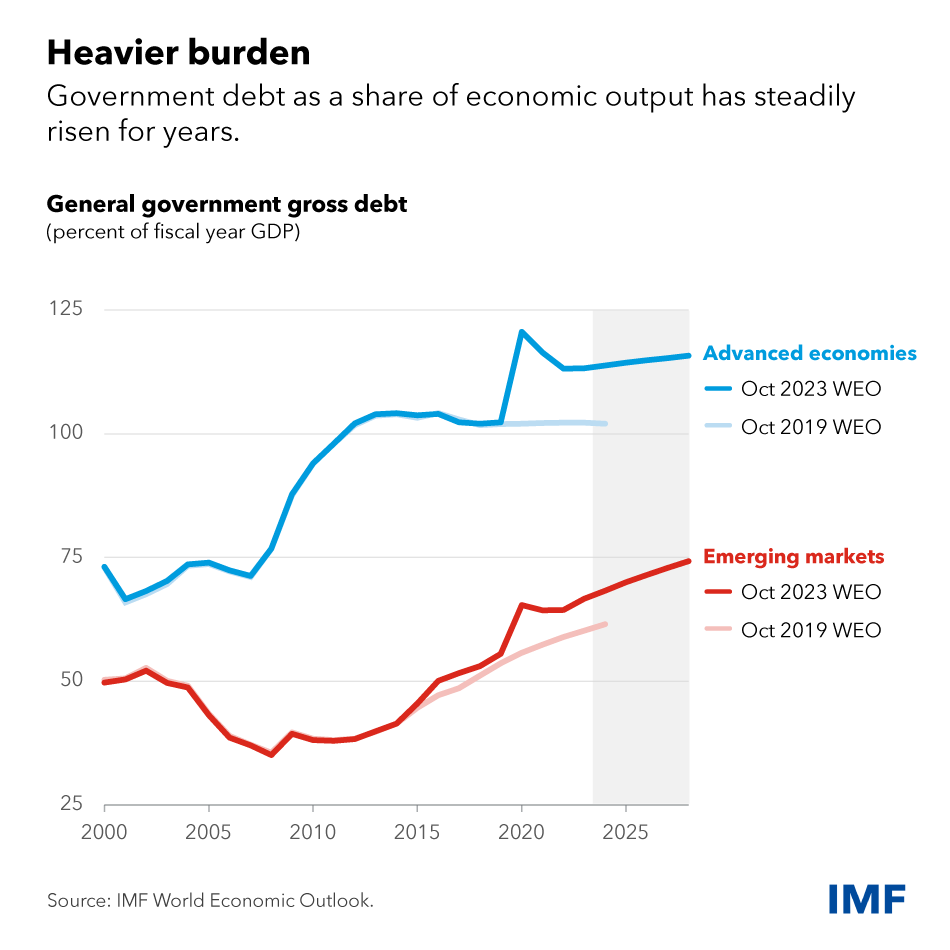
Understanding Government Debt and its Implications
Government debt, also known as public debt or national debt, represents the total amount of money that a country's government owes to lenders. These lenders can include individuals, businesses, and other governments. Governments accumulate debt by issuing bonds and other securities to finance spending that exceeds their revenue. While government debt can be a useful tool for managing economic cycles and funding essential public services, excessive or poorly managed debt can have significant implications for long-term economic stability.
The Benefits of Government Debt
It's important to acknowledge that government debt isn't inherently negative. In certain situations, it can be a powerful instrument for economic growth and stability. For instance:
Funding Public Investments
Government debt allows countries to invest in crucial infrastructure projects like roads, bridges, schools, and hospitals. These investments can boost productivity, improve the quality of life, and create jobs, ultimately contributing to long-term economic growth. Without the ability to borrow, these projects might be delayed or foregone altogether.
Stabilizing the Economy During Recessions
During economic downturns, governments can use debt to finance stimulus packages, such as tax cuts and increased spending on unemployment benefits. This can help to cushion the impact of the recession, support demand, and prevent a deeper economic contraction. Keynesian economics strongly advocates for this counter-cyclical fiscal policy.
Responding to Emergencies
Unexpected events like natural disasters, pandemics, or wars often require governments to borrow heavily to finance emergency relief efforts and rebuild infrastructure. Government debt provides the necessary flexibility to respond effectively to these crises.
The Negative Impacts of High Government Debt
While government debt can be beneficial in certain circumstances, high levels of debt can pose significant risks to long-term economic stability. These risks include:
Crowding Out Private Investment
When governments borrow heavily, they increase the demand for loanable funds in the financial markets. This can drive up interest rates, making it more expensive for businesses to borrow money for investment. As a result, private investment may be "crowded out," leading to slower economic growth. Higher interest rates also impact consumers, making mortgages and other loans more expensive.
Increased Interest Rate Burden
As government debt accumulates, the interest payments on that debt become a larger portion of the government's budget. This can divert resources away from other important areas, such as education, healthcare, and infrastructure. Furthermore, if interest rates rise, the burden of debt servicing can become even heavier, potentially leading to fiscal crises.
Risk of Inflation
In some cases, governments may resort to printing money to finance their debt. This can lead to inflation, which erodes the purchasing power of money and can destabilize the economy. While modern central banks are typically independent, the pressure to monetize debt can still exist, particularly in countries with weak institutions.
Reduced Economic Growth
High levels of government debt can hinder economic growth in several ways. First, as mentioned earlier, it can crowd out private investment. Second, it can lead to higher taxes in the future, as governments try to reduce their debt burden. Higher taxes can discourage work, saving, and investment, further slowing economic growth. Third, it can increase uncertainty and reduce confidence among businesses and consumers, leading to lower levels of spending and investment.
Sovereign Debt Crises
In extreme cases, high government debt can lead to a sovereign debt crisis. This occurs when investors lose confidence in a country's ability to repay its debt, leading to a sharp increase in interest rates and a potential default. Sovereign debt crises can have devastating consequences for the economy, including a sharp contraction in output, high unemployment, and financial instability. Greece's debt crisis in the early 2010s serves as a stark reminder of the potential risks.
Factors Influencing the Impact of Government Debt
The impact of government debt on long-term economic stability depends on several factors, including:
The Level of Debt
Obviously, the higher the level of government debt, the greater the potential risks. There is no magic number for a safe level of debt, but many economists believe that debt levels above a certain threshold (e.g., 90% of GDP) can significantly impede economic growth.
The Quality of Debt Management
Effective debt management is crucial for mitigating the risks of government debt. This includes issuing debt at favorable interest rates, diversifying the maturity structure of the debt, and maintaining transparent and credible fiscal policies.
The Underlying Strength of the Economy
A strong and growing economy is better able to absorb the burden of government debt. Factors such as productivity growth, innovation, and a skilled workforce can help to boost economic growth and make it easier for the government to repay its debt.
The Global Economic Environment
The global economic environment can also influence the impact of government debt. For example, a global recession can reduce demand for a country's exports, making it more difficult to repay its debt. Conversely, a period of strong global growth can boost exports and make it easier to manage debt.
The Credibility of the Government
A government's credibility and reputation for sound fiscal management play a significant role. If investors trust that the government is committed to managing its debt responsibly, they are more likely to lend to the government at favorable interest rates. Conversely, if investors lack confidence in the government's fiscal policies, they may demand higher interest rates, making it more difficult for the government to manage its debt.
Managing Government Debt for Long-Term Stability
To ensure long-term economic stability, governments need to manage their debt responsibly. This includes:
Maintaining Fiscal Discipline
Governments need to avoid excessive spending and ensure that their revenue is sufficient to cover their expenditures. This requires careful budgeting, efficient tax collection, and a commitment to fiscal discipline.
Investing in Productive Assets
Government debt should be used to finance investments that will boost long-term economic growth, such as infrastructure, education, and research and development. These investments can generate a return that will help to repay the debt.
Promoting Economic Growth
Policies that promote economic growth, such as deregulation, tax reform, and investments in human capital, can help to increase government revenue and make it easier to manage debt.
Ensuring Transparency and Accountability
Governments need to be transparent about their debt levels and fiscal policies. This includes publishing regular reports on the state of the public finances and ensuring that there is adequate oversight of government spending.

0 Comments