
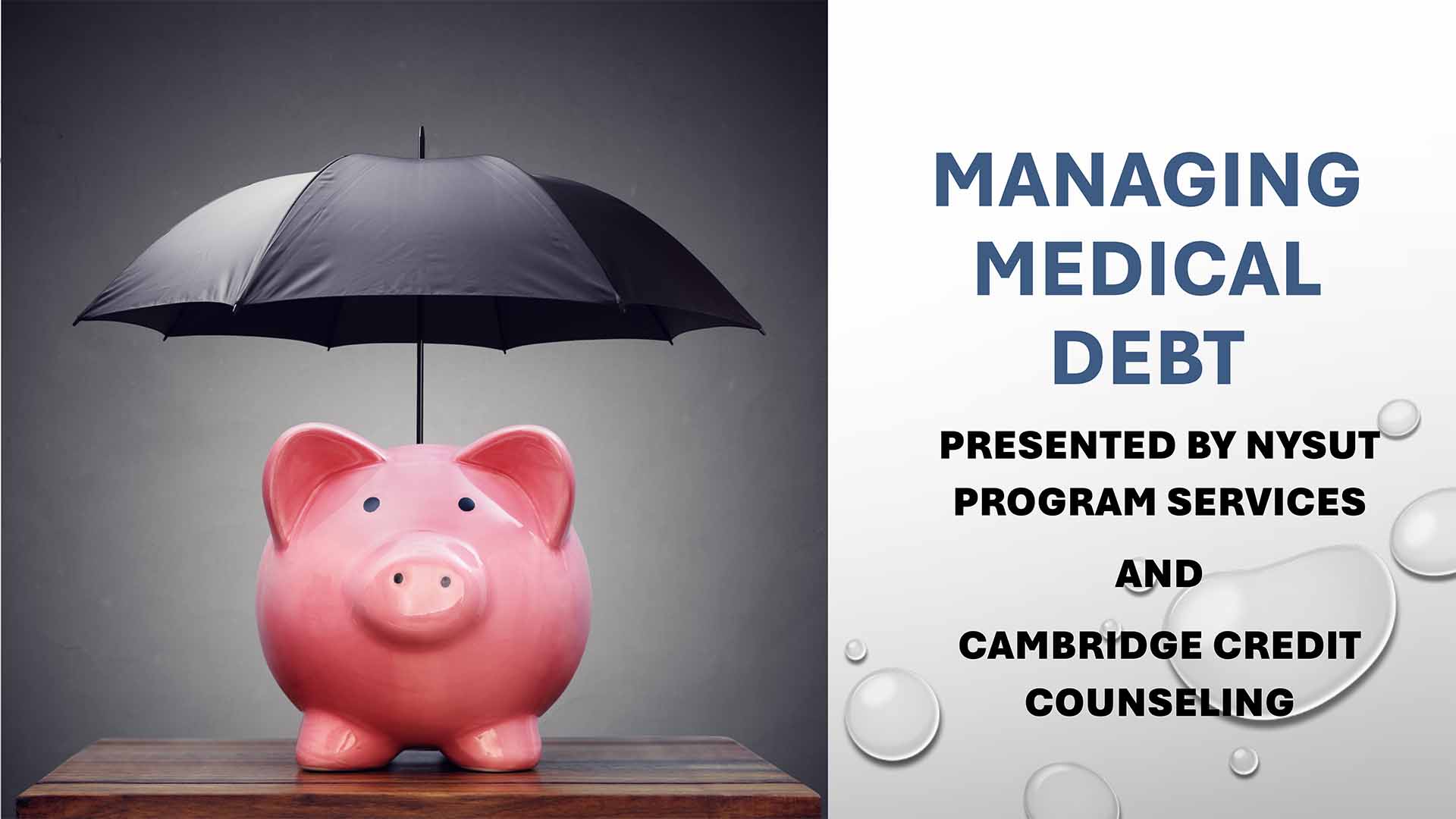
Understanding the Burden of Medical Debt
Medical debt is a significant problem in the United States, affecting millions of individuals and families. Unexpected illnesses, accidents, and chronic conditions can lead to exorbitant medical bills, even for those with health insurance. These bills can quickly spiral out of control, impacting credit scores, limiting financial options, and causing immense stress. If you're struggling to manage medical debt, you're not alone, and credit counseling might be a valuable resource to explore.
What is Credit Counseling?
Credit counseling is a service provided by non-profit organizations that helps individuals assess their financial situation, understand their debt obligations, and develop strategies for managing and reducing debt. Certified credit counselors offer guidance on budgeting, debt management, and credit repair. They work with you to create a personalized plan tailored to your specific circumstances.
How Can Credit Counseling Help with Medical Bills?
Credit counseling can provide several benefits when dealing with medical debt:
Budgeting and Financial Assessment
A credit counselor will help you create a realistic budget that outlines your income, expenses, and debt obligations. This process allows you to identify areas where you can cut back on spending and allocate more funds towards paying down your medical bills. Understanding your financial situation is the first step towards regaining control.
Debt Management Plans (DMPs)
If you have multiple debts, including medical bills, a credit counselor may recommend a Debt Management Plan (DMP). A DMP involves consolidating your debts into a single monthly payment, often with lower interest rates. The credit counseling agency will then distribute payments to your creditors on your behalf. While not all creditors participate in DMPs, it can simplify your finances and potentially lower your overall debt burden. Keep in mind that DMPs typically involve a monthly fee charged by the credit counseling agency.
Negotiating with Healthcare Providers
Credit counselors can provide guidance on negotiating with hospitals, doctors, and other healthcare providers. They can help you understand your rights as a patient and explore options for reducing your medical bills. This may include negotiating a payment plan, requesting a discount for paying in cash, or appealing charges that you believe are incorrect.
Understanding Your Credit Report
Medical debt can negatively impact your credit score, especially if it goes to collections. A credit counselor can help you understand your credit report, identify any errors or inaccuracies, and develop a strategy for improving your credit score. They can also advise you on how to prevent medical debt from damaging your credit in the future.
Education and Resources
Credit counseling agencies offer educational resources on various financial topics, including debt management, budgeting, and credit repair. These resources can empower you to make informed financial decisions and take control of your finances.
Finding a Reputable Credit Counseling Agency
It's crucial to choose a reputable credit counseling agency to ensure you receive unbiased and effective advice. Here are some tips for finding a reliable agency:
Check for Accreditation
Look for agencies that are accredited by reputable organizations such as the National Foundation for Credit Counseling (NFCC) or the Financial Counseling Association of America (FCAA). Accreditation indicates that the agency meets certain standards of quality and ethical conduct.
Verify Non-Profit Status
Ensure the agency is a non-profit organization. Non-profit agencies are legally obligated to act in your best interest and are less likely to engage in predatory practices.
Review Fees and Services
Understand the fees associated with the agency's services. While many credit counseling services are free, some agencies may charge fees for certain programs, such as DMPs. Make sure the fees are reasonable and transparent.
Research the Agency's Reputation
Check online reviews and ratings of the agency. Look for complaints or negative feedback that may indicate potential problems.
Ask Questions
Don't hesitate to ask the agency questions about their services, fees, and qualifications. A reputable agency will be transparent and willing to answer your questions.
Alternatives to Credit Counseling for Medical Debt
While credit counseling can be a valuable resource, it's not the only option for managing medical debt. Here are some alternative strategies to consider:
Negotiating with Healthcare Providers Directly
Contact the billing department of your hospital or doctor's office and try to negotiate a lower bill. Many providers are willing to offer discounts, especially if you pay in cash or agree to a payment plan.
Applying for Financial Assistance Programs
Many hospitals and healthcare systems offer financial assistance programs for patients who cannot afford to pay their medical bills. These programs may provide discounts or even waive the debt entirely.
Reviewing Your Insurance Coverage
Make sure your insurance company has processed all of your claims correctly. If you believe there are errors or discrepancies, contact your insurance company to file an appeal.
Seeking Legal Assistance
If you are facing aggressive debt collection tactics or believe your medical bills are inaccurate, consider seeking legal assistance from a consumer protection attorney.
Medical Credit Cards and Loans
While potentially helpful in some situations, be cautious about using medical credit cards or loans to pay for medical expenses. These options often come with high interest rates and fees, which can make it even harder to pay off your debt.
The Importance of Addressing Medical Debt Promptly
Ignoring medical debt can have serious consequences, including damage to your credit score, legal action from debt collectors, and increased stress and anxiety. It's important to address medical debt promptly and proactively. By exploring options such as credit counseling, negotiation, and financial assistance programs, you can take control of your finances and regain peace of mind.
Preventing Medical Debt in the Future
While it's impossible to predict every medical expense, there are steps you can take to minimize the risk of accumulating medical debt in the future:
Maintain Health Insurance Coverage
Having adequate health insurance coverage is essential for protecting yourself from unexpected medical bills. Review your insurance plan carefully to understand your coverage limits, deductibles, and co-pays.
Establish an Emergency Fund
Having an emergency fund can help you cover unexpected medical expenses without resorting to debt. Aim to save at least three to six months' worth of living expenses in your emergency fund.
Practice Preventative Care
Regular checkups and preventative care can help you identify and address health issues early on, potentially preventing more serious and costly problems down the road.
Shop Around for Healthcare
When possible, compare prices for medical procedures and services before seeking treatment. This can help you find more affordable options.

0 Comments